

 Dr. Sheetal Nair
580 California St., Suite 400
San Francisco, CA, 94104
…
35 pages


AI
AI
The paper discusses benchmarking HR practices with a focus on Toyota Motor Corporation. It elaborates on the company's history, its rise to prominence in the automotive industry, and its innovative Lean production system. It emphasizes the importance of effective Employee Referral Programs (ERPs) within organizations, detailing survey questions that assess employee awareness, engagement, and the structure of ERPs, along with the motivations and rewards given for successful referrals.





Business And Management Research Journal, 2022
The report pinpoints major obstacles the Toyota Motor Company has faced since its inception in the 1950s, analyzes the US motor industries, the big three automakers, and how Toyota broke into the US automobile market. At the same time, the European car manufacturers failed, and then analyzes how the big three automakers vis-à-vis Toyota dealt with the global financial crisis of 2008-2009. Then it highlights how Toyota dealt with the global safety recalls of 2010. Finally, it showcases how Toyota overcame these obstacles to become successful in the hybrid and electric, and hydrogen-fueled car markets of the future. The report analyzes Toyota's production and marketing strategies that have made it the number 1 car company globally. Download link: https://www.resjournals.com/business-and-management-research-journals/ #autoindustry #automotive #auto #cars #car #carsales #dealership #automotiveindustry #collisionrepair #usedcars #carbusiness #promotor #autodealers #automotivemarketing #dealerships #masina #carindustry #romania #automotivesales #b #automobile #customerservice #automarketing #covid #cardealership #newcars #audi #automotivehistory #autobodyrepair #assemblyplant
Splint International Journal of Professionals (A Peer Quarterly Refereed International Journal), 2023
An in-depth case analysis applying strategic planning tools to Toyota demonstrates how strategic planning tools are used to not only analyse a company but also the industry. Toyota, established in 1937, has expanded into a global automotive conglomerate achieving the highest market share in the automobile industry. Strategic planning tools elucidate Toyota's expertise in developing technology and leveraging resources to support Toyota's success. Financial ratio analysis contributes to further analysis of Toyota as compared to a competitor, Hyundai.
Philosophy Study, 2016
This paper investigates the organizational culture of one of the largest auto manufacturers in the world Toyota Motor Corporation using various corporate culture and management models. The investigation was conducted in 2009 using qualitative analysis with the help of various secondary sources. The study reveals that the company’s management style can be characterized as the Family type that implies collectivistic society with male domination, strict rules and laws at work, and long-term orientation. It is also based on several essential principles, such as continuous improvement and learning, respect for people, mutual trust, and teamwork. Two core elements of the Toyota’s success are technological innovations and qualified human resources.
The Evolution of the Toyota Production System, 2020
Findings of Two Toyota Executives 5.1 Why Did Two Toyota Executives Go to the USA? Eiji Toyoda, Director of Toyota, embarked on an inspection of the automobile industry in the USA on July 11, 1950, about a month after Toyota settled the labor disputes on June 10, 1950. Regarding the reasons behind the trip, Eiji Toyoda stated: The purpose of my visit to the US was to gauge the future prospects of the auto industry and to explore the possibility of arranging for technical cooperation of some sort from the US manufacturers. Having decided that it would be in our best interest to establish ties with American automakers, we sent a proposal to Ford, with whom we had previously entered into negotiations (Toyoda 1987, p. 106). He returned home on October 20, 1950 (Toyota Jidōsha Kōgyō Kabushiki Kaisha 1967, p. 834). Toyota's 30th anniversary history stated that Eiji Toyoda "stayed at Ford's River Rouge Plant in Detroit for a long time and took a close look at its production and manufacturing technology" (Toyota Jidōsha Kōgyō Kabushiki Kaisha 1967, p. 327). Furthermore, the anniversary history quoted Eiji Toyoda's text from the October 1950 issue of magazine Ryusen-kei (Streamline Shape) as follows: This [River Rouge Plant] is the largest factory of Ford. I am surprised by the huge amount of equipment, its organization and everything else. First of all, the building area is 15 million square feet, nearly ten times as large as Toyota's Koromo Plant. Within the area, there are self-sufficient integrated facilities for producing automobiles such as blast furnaces, glass plants, docks, machining plants, assembly plants, and cupolas. There are 70,000 employees at Ford. As they recently started working in two or three shifts due to the Korean War, Ford quickened its production pace to 7,000 units per day. About 10% of the total production, 700 units, are assembled as finished vehicles in River Rouge Plant. The remaining 90% are sent to assembly plants located in various parts of the US as Ford's assembly parts. So how do they implement the mass-production of automobiles? As mentioned earlier, the Rouge Plant is the largest among the Ford's plants, but the largeness of plants does not ensure perfection in automobile production. From our point of view, it still seems to have some room for improvement as an organization of production. But, the most interesting thing is material
Asia Pacific Journal of Management and Education
, was the sixth-largest company in the world by revenue. As of 2017, Toyota is the world's second-largest automotive manufacturer. Toyota was the world's first automobile manufacturer to produce more than 10 million vehicles per year which it has done since 2012, when it also reported the production of its 200-millionth vehicle. As of July 2014, Toyota was the largest listed company in Japan by market capitalization and by revenue. Toyota is the world's market leader in sales of hybrid electric vehicles, and one of the largest companies to encourage the mass-market adoption of hybrid vehicles across the globe. Toyota is also a market leader in hydrogen fuel-cell vehicles. Cumulative global sales of Toyota and Lexus hybrid passenger car models achieved the 10 million milestones in January 2017. Its Prius family is the world's top selling hybrid nameplate with over 6 million units sold worldwide as of January 2017.
International Journal of Production Economics, 2010
In contrast to prior research on the Toyota Production System (TPS) that has tended to focus on the micro issues or structural issues, we take an integrated approach of TPS to include the rules or principles underlying TPS. Consistent with recent work by Spear and Bowen (1999) and Spear (2004), we suggest that the systematic method in combination with lean practices typify the TPS. We expand upon this body of work by empirically examining our suggestions on a large sample data comprising manufacturing plants in several industries. Several main effects of TPS practices on performance were found. Similarly, TPS rules were found to be positively related to manufacturing performance. Finally, we found a positive interaction effect between the TPS practice of preventive maintenance and the TPS rule of decentralized decision making on all performance measures in this study, i.e. manufacturing cycle time, quality, cost, and delivery speed. Implications for theory building and for practitioners are offered.
Journal of Manufacturing Technology Management, 2010
Purpose -The purpose of this paper is to analyze Toyota's management directed kaizen activities named Jishuken. Currently, there are many variations in understanding how Toyota develops its managers to support daily kaizen, especially when Toyota managers have different levels of understanding of Toyota production system (TPS) and skills essential in applying TPS. Design/methodology/approach -This paper will study Toyota's Jishuken process in the context of strengthening TPS and analyze both the technical and management aspects of Toyota's Jishuken process. Findings -When integrated into plant-wide long-term continuous improvement, Jishukens can be extremely effective at developing management's ability to conduct and to teach others to conduct daily kaizen and problem solving. This paper shows how Jishukens function within the TPS system to continuously improve managers' understanding of TPS both for their own concrete problem solving and to support manager's roles in communicating, coaching and teaching problem solving to production workers. Originality/value -Most attempts to imitate Toyota fail because techniques are adopted piecemeal with little understanding of why they exist or what kind of organizational culture is needed to keep them alive. Jishuken serves as an example of a technique which is successful only when embedded within the right organizational culture.
Purpose -The purpose of this paper is to examine the manifold linkages connecting the Toyota Production System (TPS) back to the Gilbreths and others, and to determine how these have contributed to enterprise-wide best practice. Industrial engineering (IE) theory rapidly subsumed method study and thereby made considerable contributions to output in World War II (WWII). The outcome is the positing of "contemporary" IE. Design/methodology/approach -Consideration is given to the Japanese Management Association ( JMA) personal handshake route originated by Frank Gilbreth in which experiences were handed down in lecture note format by successive generations of industrial engineers. His interaction with the FW Taylor Scientific Management movement is a second theme. The internationally recognised "softer" approach to teaching and coaching due to Lillian Gilbreth is then discussed. Finally the Gilbreth MOI2 Process Chart is examined.
international journal for research in applied science and engineering technology ijraset, 2020
This article provides a comprehensive introduction about the Lean Manufacturing Systems or also known as Toyota Production System in Japan. First, the paper gives an introduction to TPS, followed by a brief Literatures Review on all the papers referred for the conception of this paper. The two fundamental pillars of TPS are discussed later on with a description of each pillars in depth. The next section deals with the 7 wastes of lean followed by the benefits of implementing TPS and the barriers to successful TPS implementation. The literature review framework in this paper provides a clear overview of the To0yota Production System, which can be used as a starting point for further research work.
AI
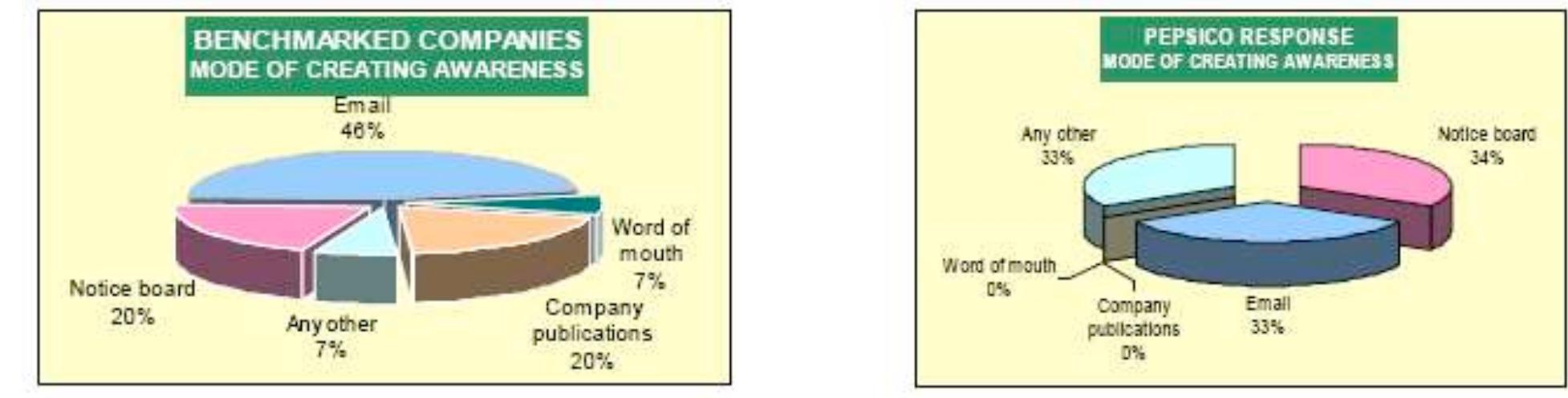
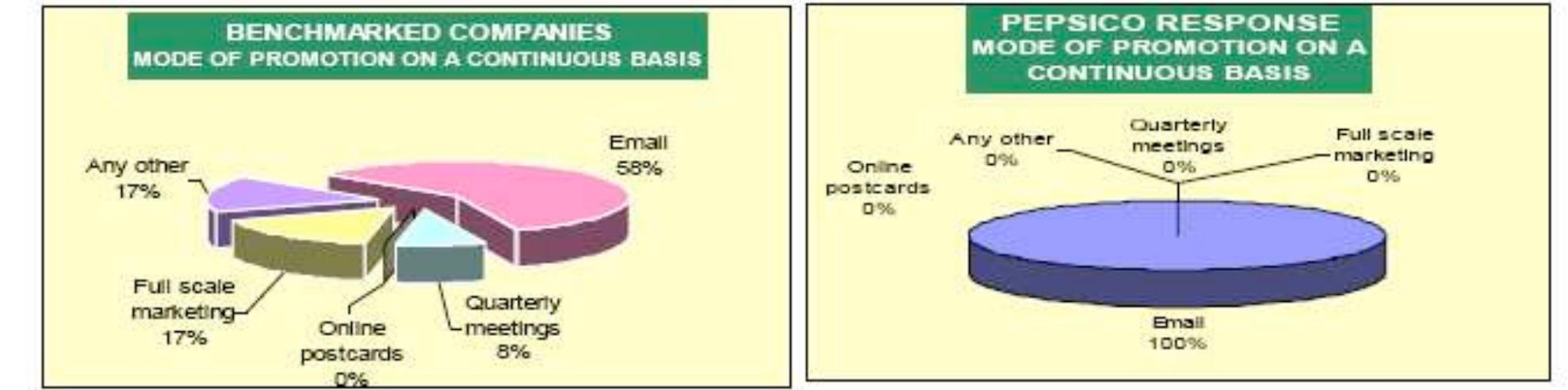
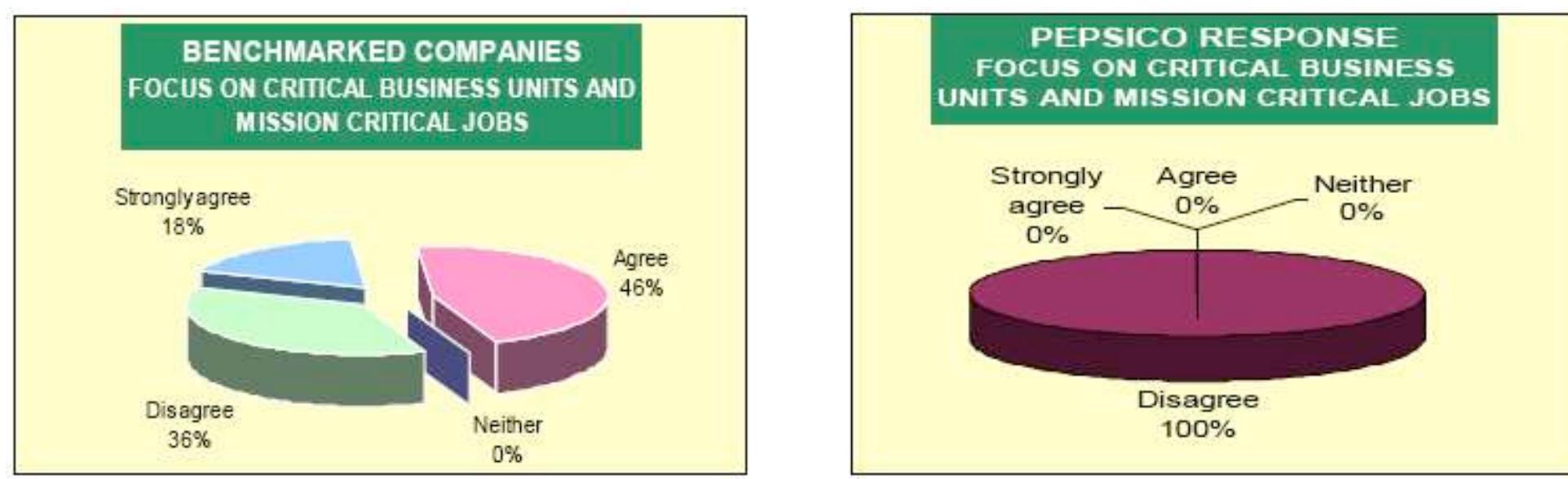
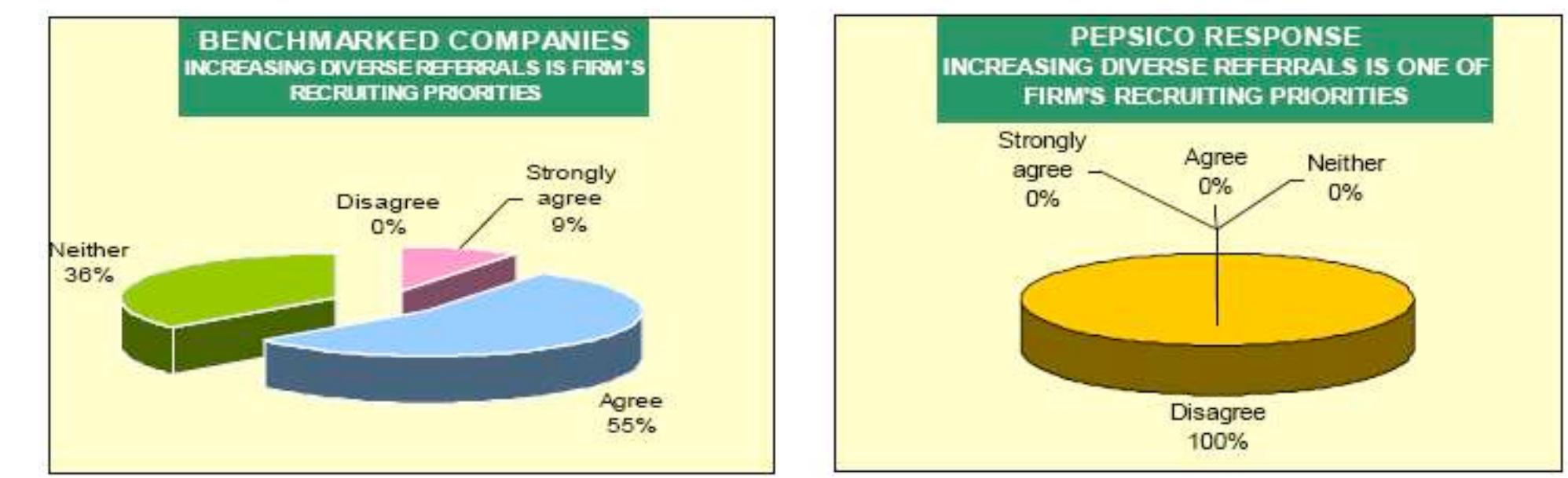
The study identifies that effective employee referral programs often have dedicated teams and continuous promotion strategies, reducing common challenges such as lack of awareness, which affects 36% of programs.
Toyota's referral program results indicate only 4% of total hires come from referrals, significantly lower than the 8-14% average in the US, indicating potential for improvement.
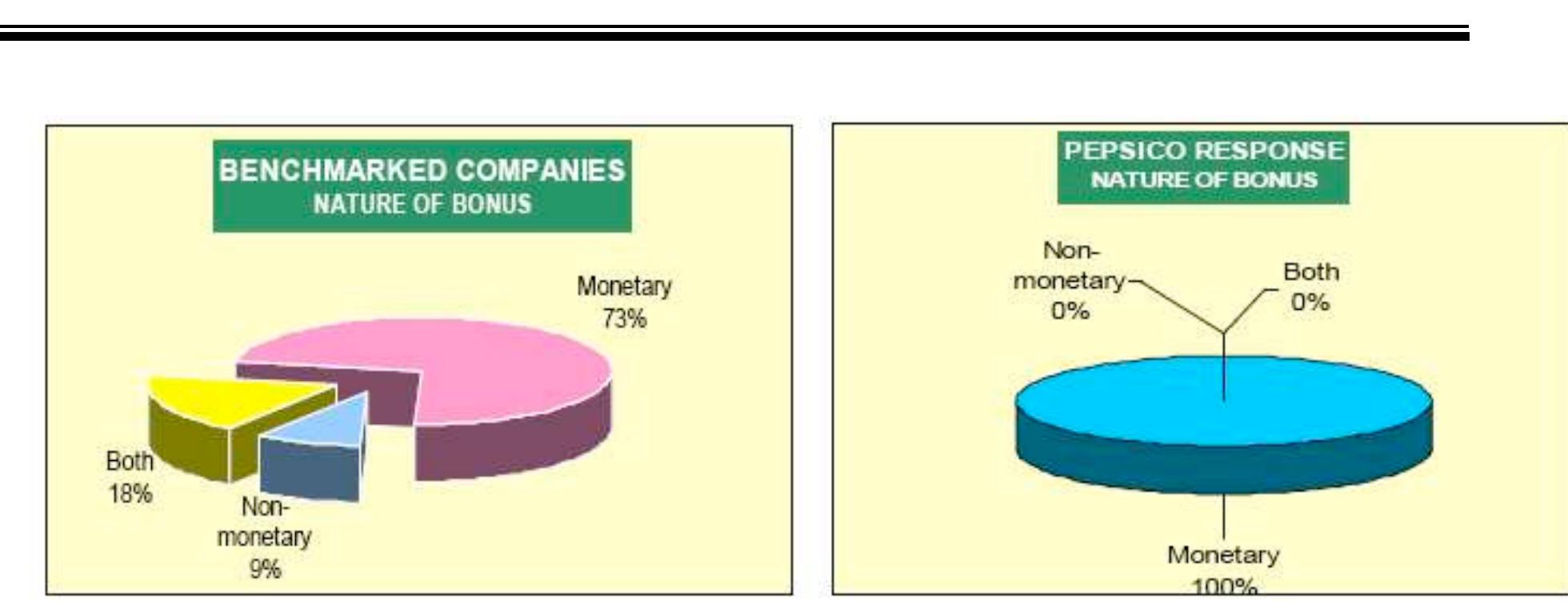
Recommendations include implementing promotional strategies like posters and recognition through congratulatory emails to increase program awareness and employee participation.
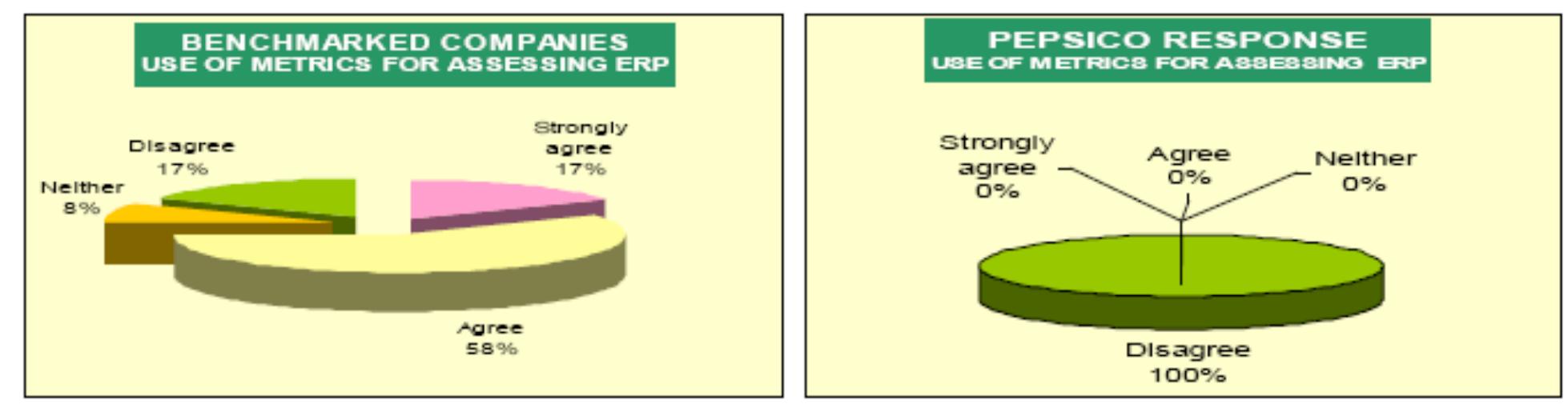
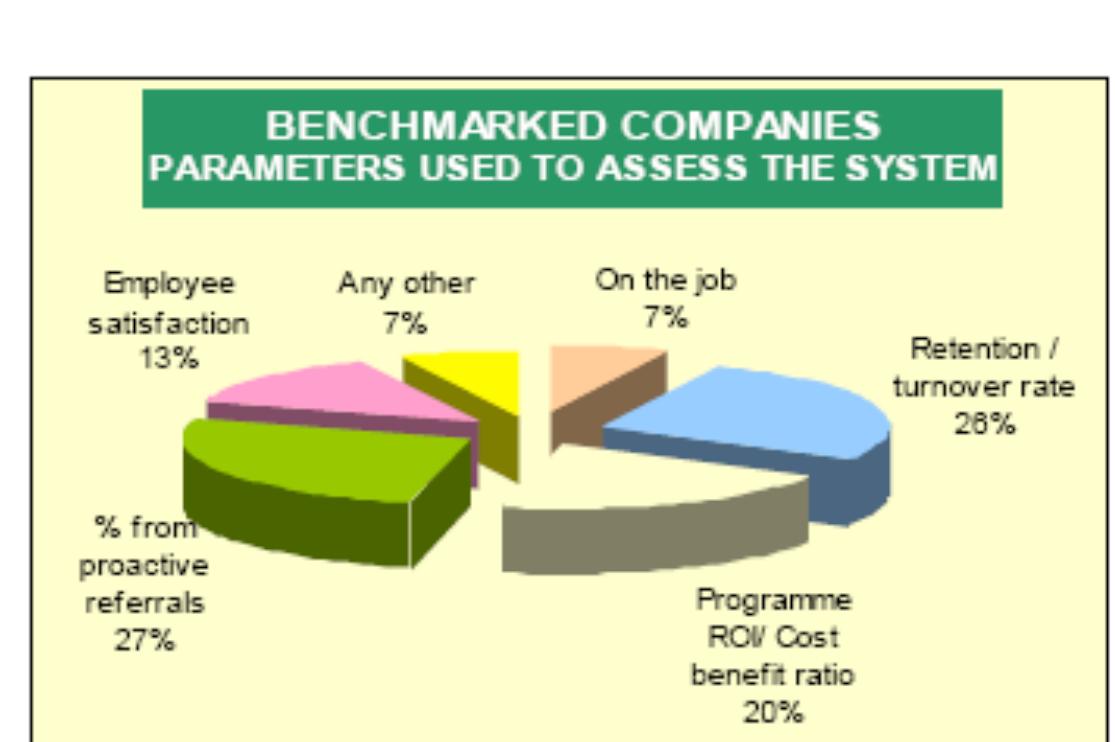
The paper suggests using metrics such as retention rates of referred hires and program ROI, which are common practices among 58% of benchmarked organizations, absent at Toyota.
The benchmark study reveals that top management involvement at Toyota is low, contrasting with high involvement seen in 33% of surveyed organizations, which could hinder program success.

The foundation behind Toyota's remarkable distribution and production system is through its standardization, which ensures the safest method of its distribution and production operations and guarantees its unswerving method to excellence. Toyota strives to provide its customers with the best automobiles on the road, while at the same time, providing their automobiles to its customers at a reasonable price. The main purpose of TPS is to make quality vehicles free of defects in a rapid and efficient way in order to quickly deliver to the consumer.
Encyclopedia of Business in Today's World
Best-selling business bookGood to Great was published in 2001 as the result of an effort to understand what characteristics, if any, companies who experience an extended run of greatness have in common compared to companies who do not. The resulting seven-component framework of Good to Great has brought the book both wild acclaim in management circles and heavy scrutiny in the research arena. While the book originally studied only American companies, this research will examine Good to Great's research methodology and definition of "great" in order to compare the framework to Toyota Motor Corporation. A consistent tenant in Fortune's Global 500 top 10, Toyota is arguably one of the most successful companies in the world, showing a growth that has been remarkably steady for almost 80 years. This paper examines empirical data and evidence from Toyota research and analyses the degree of fit relative to the Good to Great framework. The outcome of the paper offers evidence to support Good to Great framework by putting it on trial against a large international organization.
Abstract- During the last decade, the advancement in production and management systems has revolutionized the automobile industry. The industry has witnessed the opening up and growth of several emerging markets. The automotive industry is now facing new and pressing challenges. Globalization, digitalization and increasing competition in the market are changing the face of the industry. Size of the organization is no longer a guarantee of success. Only those companies that find new innovative techniques to create value can prosper in the future. The purpose of this paper is to present a short overview of the automotive industry today and highlight challenges that are faced the industry. We are also going to overview Toyota’s dominance in the US market, strategies used by them and how they were able to overcome the challenges and competition they faced in a foreign market, and how upcoming automobile companies can use Toyota’s strategies to grow in the current market. Keywords- Automobile Industry, Industry analysis,Toyota
Journal of Labor Research, 1998
Since the early 1980s and the arrival of the first Japanese auto assembly transplants, industry executives, union officials, journalists, and researchers across the ideological spectrum have argued the merits of Japanese manufacturing and management practices, their potential contribution to U.S. competitiveness, and whether or not such practices are good or bad for workers. Sociologist Terry Besser has written a detailed case study of Toyota's Georgetown, Kentucky plant which manufactures the best-selling Camry. Neither scathing nor laudatory, the book offers a middle-ground assessment of Toyota's system of production and employee relations. Besser attempts to develop a theory (more a conceptualization) which explains "how Toyota is recreating its form of management and team culture in its Georgetown plant" (p. 2). For data she employs a variety of company publications, local and national newspaper reports, secondary sources related to Toyota and Japanese management practices, personal observations as an invited guest to company functions, and 36 in-depth interviews with a cross-section of employees. Excluding the voices of workers has been a major shortcoming of industrial sociology in recent years. The first three chapters provide a foundation for the case study. The author compares and contrasts Western and Japanese management practices. She then discusses the growing scholarship on how the internal organizational features of Japanese firms contribute to company success. First, Ronald Dore's "welfare corporatism" highlights employee empowerment, job security, job enrichment, and consequent employee commitment and organizational goal achievement. Second, Parker and Slaughter's "Toyotist" school focuses on "management by stress" and worker exploitation. Third, an engineering-oriented group stresses innovative production technology, attention to detail, and continuous improvement. Finally, a hybrid system, called "lean production," combines innovations in production techniques with progressive human resources practices. From these academic debates, Besser turns her attention to Toyota of Japan. Still familycontrolled since its inception in 1937, the company is the fifth largest industrial company and the third largest auto producer in the world. Georgetown, Kentucky, about 15 miles from Lexington, is the site of Toyota Motor Manufacturing (TMM) which began producing Camry's in 1988. TMM, like other transplants, is nonunion and employs a young, well-educated, and inexperienced work force drawn largely from Kentucky. Although the president of TMM is Japanese, the presence of the Japanese has declined significantly since the plant opened. Still, each department maintains a Japanese coordinator and plantwide there is a small coterie of Japanese trainers. TMM operates with a flat hierarchy where 67 percent of plant personnel are line workers, 14 percent are team leaders, 4 percent are group leaders, and only 14 percent perform administrative duties. Workdays are controlled by a rigid schedule: "[f]rom 6:30 (a.m.) until the break most team members repeat the same job approximately every sixty seconds .... The Toyota goal is constant work (100 percent) with no breathers during the two hours and fifteen minutes between breaks" (p. 40). The pace and intensity of work is no different for managers and specialists. And unlike typical American management practices, TMM's white-collar personnel do not get any additional benefits or perquisites under its egalitarian culture.
Global Business and Management Research: An International Journal
The aim of this study is to clarify the total quality management and its philosophy; analyze and criticize of the practices used in Toyota Motor Corporation (TMC). I investigate the total quality management of Toyota Motor Corporation by making interviews with the employees of the company.
IARJSET, 2021
The objective of Toyota Motors is to improve its competitiveness by application of integrated supply chain management. ISCM helps to reduce the operational cost and brings better inventory management. There are network of companies involved in decision making and information flow which includes distributors, suppliers, customers and agents. The objective of this paper is to study the application of integrated supply chain management in Toyota motors. The data is collected on the basis of both primary and secondary data analysis. The primary data was collected by interviewing the individuals involved in supply chain of Toyota motors. The secondary data was collected from literature review. The method of analysis is descriptive qualitative analysis. This study concludes that Toyota should focus on market demand rather than new product development of a quality product and forcing it to market to purchase. It should focus on integrated supply chain management to improve its operations.
Synthesiology English edition, 2008
"comfort" to achieve a harmonious relationship between humans, urban centers, and the automobile. We try to set goals that people may question, "Is that really possible?" Like "a car that cleans the air as it runs," "a car that can go around the world on one full tank," "a car that will never crash," or "car that makes the passengers healthier as they ride." To achieve these goals, we look over all the technologies that are necessary and define the core elemental technology.
2009
Professor [Koichi] Shimokawa has asked me to describe for you my memories of Taiichi Ohno, the father of the kanban. I, like numerous others, owe a huge debt to Ohno-san. And since he has passed on, we who learned from him have a responsibility to convey his teachings to the next About the Text The accompanying text is an adaptation of a talk delivered in January 1998 by Michikazu Tanaka, a former executive of Daihatsu Motor. Tanaka gave the talk to a study group convened under the auspices of the Japan Technology Transfer Association and chaired and cochaired by the compilers of this volume, Koichi Shimokawa and Takahiro Fujimoto. The study group comprises automotive production engineers and university researchers and has met regularly since 1991 to develop a vision for production systems in the automobile and automotive parts industries. The adaptation presented here reflects subsequent editing by Tanaka.
2011
This study argues that the success of international transference of Japanese lean manufacturing practices in general, and the Toyota Production System (TPS) in particular, is in varying degrees contingent upon the socio-cultural, historical, and environmental context of the host nations into which such transfer occurs. It contends that TPS is not simply a set of concepts, techniques, and methods that can be implemented by command and control. The specific cultural and environmental factors within Japan were central to the conceptualization, acceptance, and development of TPS in that country. In the course of transplantation of TPS practices from Japan into overseas affiliates, either an absence of due consideration, or disregard for a host nation’s unique socio-cultural and environmental factors (and the compatibility of these factors with the specific needs of TPS) could lead to unproductive organizational outcomes for the parent company. This theme is explored through an analysis ...
