580 California St., Suite 400
San Francisco, CA, 94104
This research theme investigates the refinement of the traditional CAPM by incorporating downside risk measures, such as downside beta, and how these conditional risk metrics better capture the cross-sectional variation in stock returns, especially during adverse market conditions. The focus is on identifying conditional downside betas as superior predictors of returns compared to unconditional or regular betas, with practical relevance for portfolio construction and risk assessment in varying economic states.
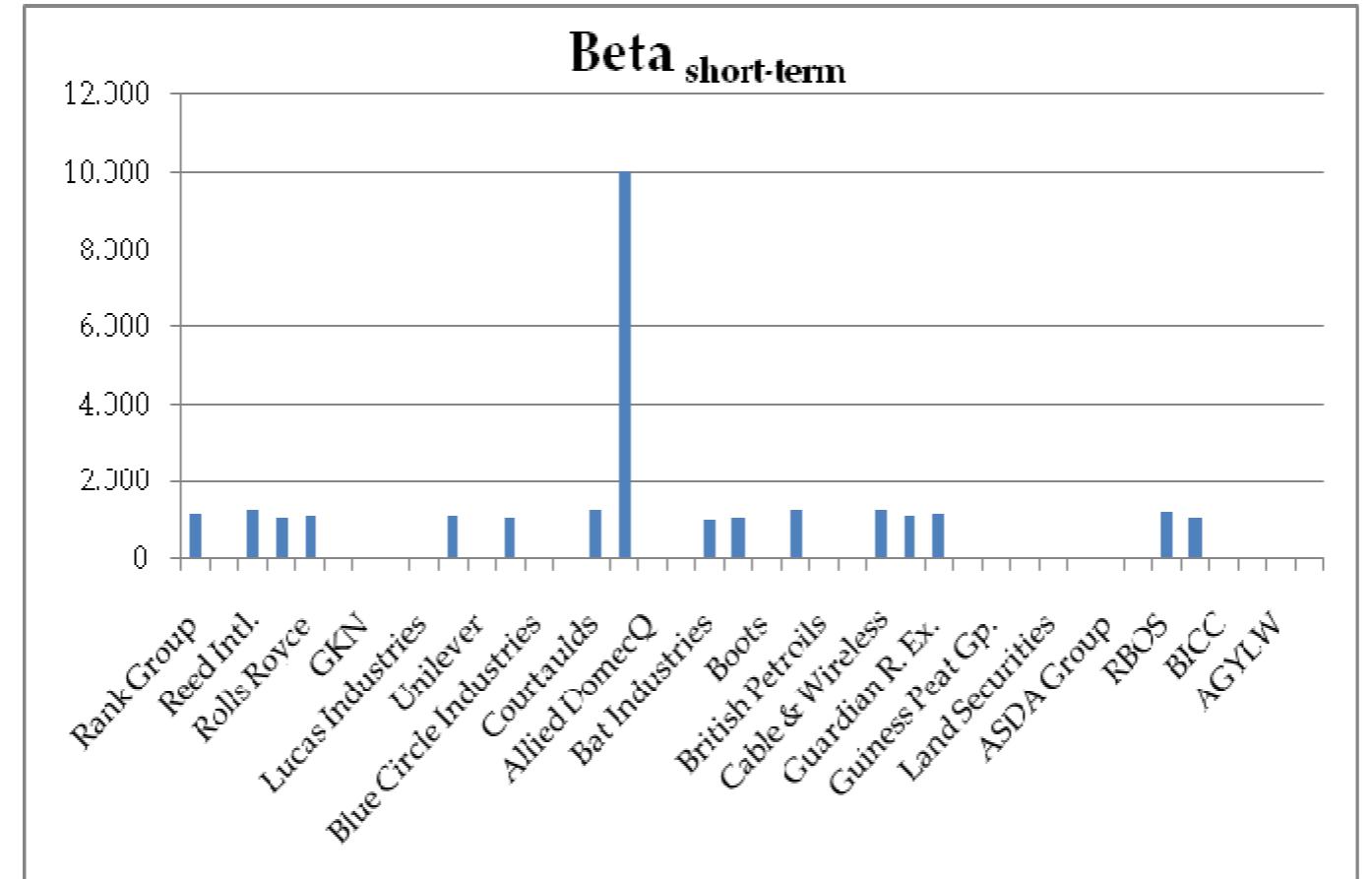
This theme explores methodological advances aimed at mitigating noise and estimation errors in beta measurements by smoothing return data over shorter intervals or refining beta estimation windows. The central question is whether improved data treatment, such as averaging daily returns within months or adjusting beta calculation frequency, can restore the empirical validity of the CAPM that traditional monthly realized returns fail to support.
This theme examines approaches that integrate macroeconomic variables, state-dependent regimes, or aggregate volatility dynamics into conditional CAPM betas to capture discrete or continuous shifts in systematic risk. The emphasis is on methodologies, such as threshold models, regime-switching, or state-space formulations, that account for changes in beta driven by economic cycles or volatility states, improving asset return explanations and addressing CAPM’s empirical shortcomings.