

580 California St., Suite 400
San Francisco, CA, 94104
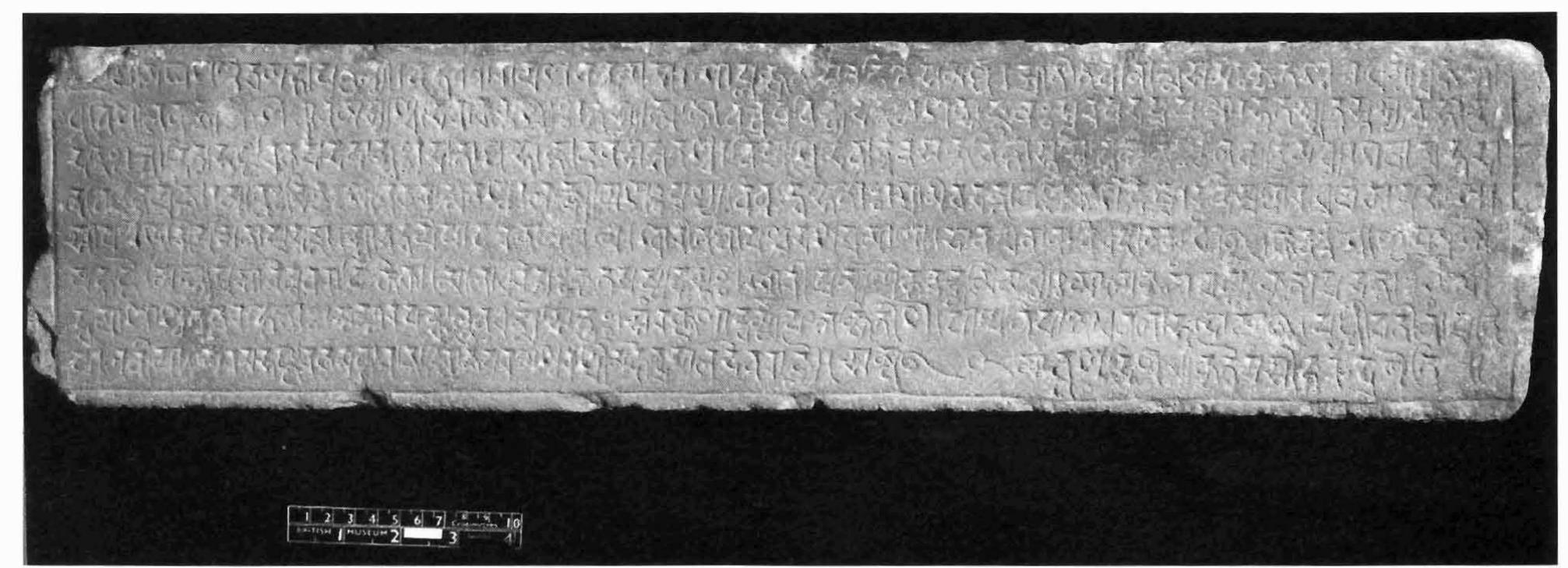
This research area focuses on utilizing epigraphic evidence—inscriptions engraved on stones, metal plates, images, and temple walls—to reconstruct historical narratives about religious practices, political authority, social interactions, and cultural dynamics in ancient and medieval India. Inscriptions serve as primary, datable sources revealing donor identities, sectarian affiliations, territorial extent of kingdoms, religious interactions, and socio-political changes, thus contributing crucially to the understanding of India's complex historical fabric.
This theme addresses the integration of epigraphic, archaeological, and palaeographic techniques to understand inscriptions not merely as text-bearing objects but as material culture embedded in contexts of production, use, and reception. It promotes methodological rigor in sampling, recording, analyzing inscriptions and combining textual data with archaeological findings to yield multifaceted historical interpretations.
This area investigates the epigraphic evidence illuminating cultural exchanges, transmission of scripts, languages, and religious iconography across regions—from South and Southeast Asia to Tibet. Analyses focus on multilingual inscriptions, script evolution, iconographic motifs linked to inscriptions, and trans-regional religious interactions, highlighting the dynamics of cultural diffusion and adaptation.