Academia.eduAcademia.edu

Random Number Generation

description2,142 papers
group391 followers
lightbulbAbout this topic
Random Number Generation is the process of producing a sequence of numbers that lack any predictable pattern, often used in statistical sampling, cryptography, and simulations. It can be achieved through algorithms (pseudo-random) or physical processes (true random), ensuring the numbers generated are uniformly distributed over a specified range.
lightbulbAbout this topic
Random Number Generation is the process of producing a sequence of numbers that lack any predictable pattern, often used in statistical sampling, cryptography, and simulations. It can be achieved through algorithms (pseudo-random) or physical processes (true random), ensuring the numbers generated are uniformly distributed over a specified range.

Key research themes

1. What are the physical and thermodynamic limits affecting the generation of random numbers?

This research theme investigates the fundamental physical principles, particularly thermodynamic constraints, that govern random number generation (RNG). It distinguishes between pseudorandom number generators (PRNGs), true random number generators (TRNGs), and hybrid systems, focusing on the energetic costs and information-theoretic limits imposed on RNG implementations. Understanding these limits is crucial for designing efficient RNG systems, especially those based on physical entropy sources, and provides a rigorous foundation that bridges information theory and nonequilibrium thermodynamics.

Key finding: This paper uses the Information Processing Second Law to analyze the thermodynamic costs—heat dissipation and work consumption—of RNG algorithms implemented as finite-state machines across three main classes: RNGs... Read more
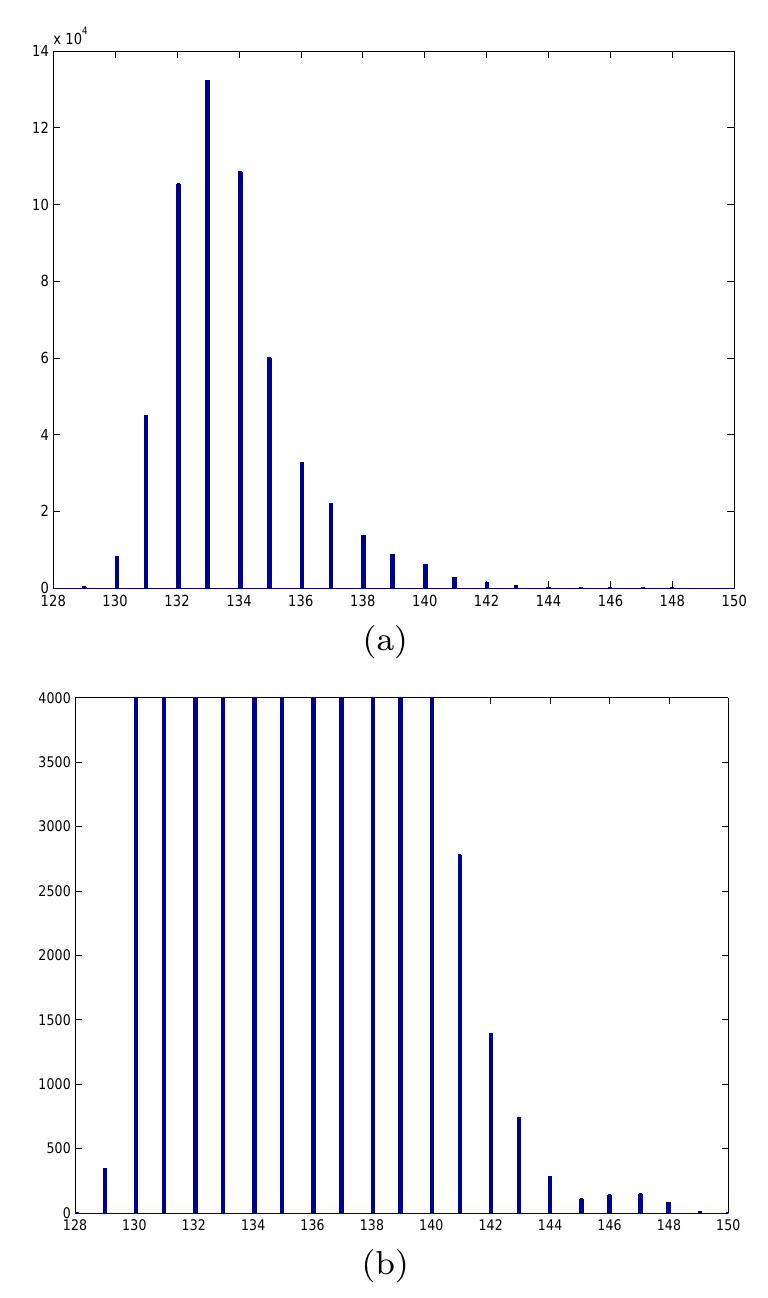
Key finding: The study presents a TRNG design that extracts entropy from the histogram distribution of 8-bit grayscale images, mapping pixel value distributions into random numbers. This physical method highlights a resource-based source... Read more
Key finding: This research introduces a TRNG leveraging the chaos inherent in graphics processing unit (GPU) operations, specifically utilizing chaotic logistic maps sensitive to initial conditions and race conditions in GPU thread memory... Read more

2. How can random number generation methods be generalized and adapted to generate non-numeric random objects?

This theme explores the methodological generalization of random number generation beyond numeric sequences to include random generation of diverse non-numeric entities such as permutations, passwords, Latin squares, and CAPTCHAs. It investigates formalisms and encoding strategies that bridge numeric RNG outputs to arbitrary object spaces. This line of research enhances the scope of randomness applications and addresses challenges in encoding, uniformity, and computational implementation for complex combinatorial structures requiring true or pseudorandom sampling.

Key finding: This work formalizes the generalized problem of random object generation (ROG) and proposes a unified framework that encodes arbitrary non-numeric entities into numeric codes, enabling the use of S-restricted random number... Read more
Key finding: This study develops a mathematical and computational method to represent arbitrary human-readable text as base-36 numbers using digits 0-9 and letters a-z. It rigorously formulates a bijection from textual strings (including... Read more
Key finding: The paper reviews and advocates for the incorporation of chaotic number generation within metaheuristic and AI optimization algorithms that require stochastic inputs. It identifies the significance of random initializations... Read more

3. What are the methodologies and evaluation metrics to ensure the quality, uniformity, and unpredictability of random number generators for cryptographic and simulation applications?

Ensuring the quality of random number generators (RNGs) is pivotal for secure cryptographic operations as well as reliable scientific simulations. This theme consolidates research on standardized methodologies, statistical test suites, hardware implementation considerations, and empirical evaluation frameworks to assess RNG outputs. The coverage includes statistical uniformity, correlation analysis, entropy assessment, and cryptographic robustness, emphasizing tools from agencies like NIST and BSI, and methods ranging from empirical tests to hardware noise source evaluations.
Key finding: This study proposes novel parameters and tests to quantify uniformity and correlation in RNG outputs, applying these tests to standard language library RNG implementations (C/C++, Java, Fortran). The findings elucidate that... Read more
Key finding: Using a large sample of university students generating random numbers between 1 and 10, this empirical analysis applies statistical methods to evaluate randomness quality and identifies that human-generated random numbers... Read more
Key finding: This work proposes a pseudorandom number generator (PRNG) designed for quantum key distribution (QKD) that leverages the Learning with Errors (LWE) lattice problem's inherent Gaussian noise to produce non-deterministic... Read more

All papers in Random Number Generation

The purpose of this paper is to present a novel Hybrid Random Number Generator (HRNG). Here "hybrid" refers to the fact that to construct this generator it is necessary to use 1) physical components -texts -and a physical process, and 2)... more
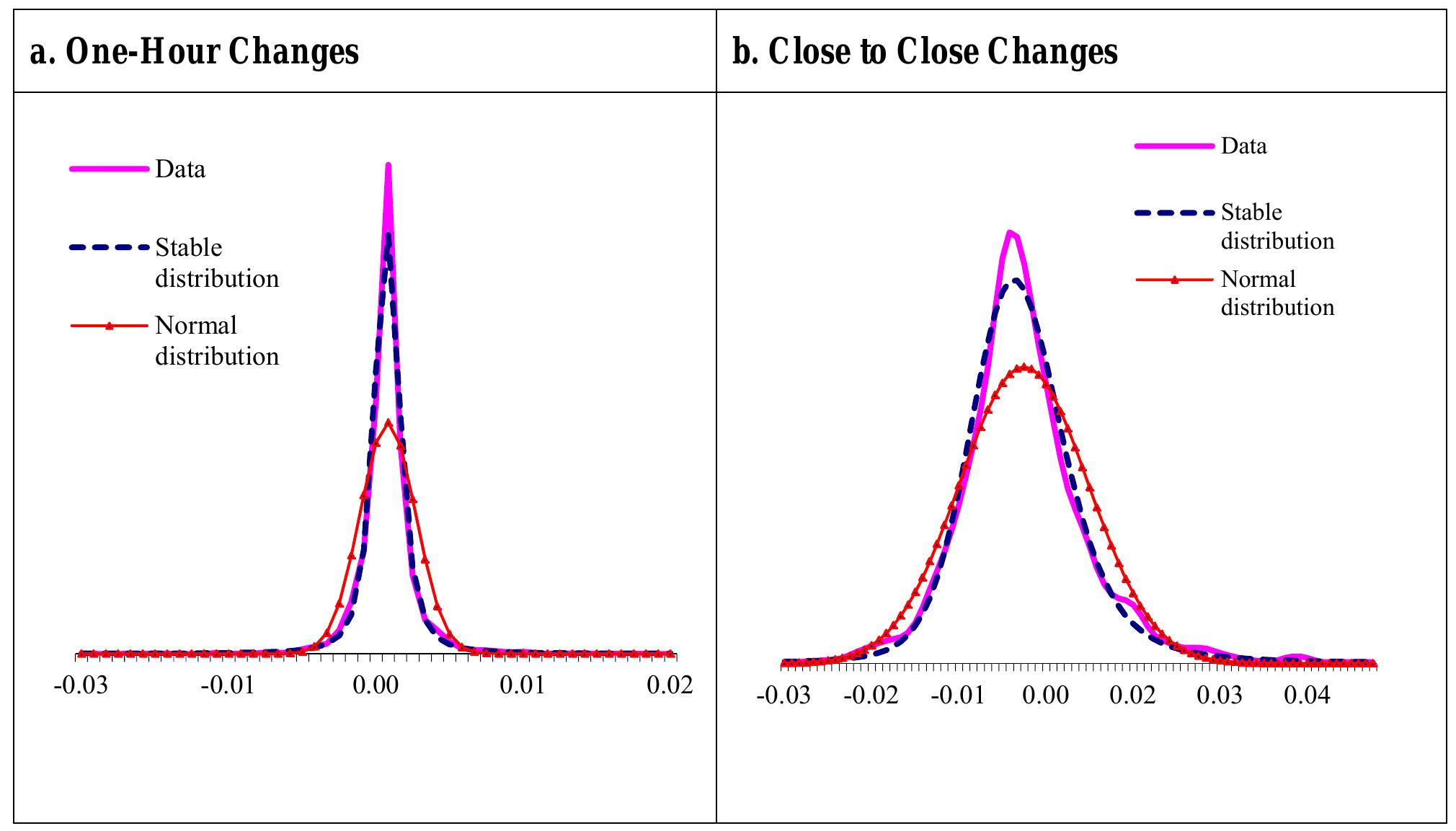
Many models in finance are often based on the assumption that the random variables follow a Gaussian distribution. It is now well known that empirical data have frequently occurring extreme values and cannot be modeled with the Gaussian... more
Image steganography is a covert communication method that uses an image as the cover to hide the truth from potential attackers that some secret message hidden in the image is being transported. When we appreciate the astonishing beauty... more
In moderate climates, short fluctuations in solar irradiance and their impact on the distribution grid will become an important issue with regard to the future large-scale application of embedded photovoltaic systems. Several related... more
Up to now biometric methods have been used in cryptography for authentication purposes. In this paper we propose to use biological data for generating sequences of random bits. We point out that this new approach could be particularly... more
This report discusses the theory, implementation and performance of a combinatorial fuzzy-binary and-or (FBAR) algorithm for lossless data compression (LDC) and decompression (LDD) on 8-bit characters. A combinatorial pairwise flags is... more
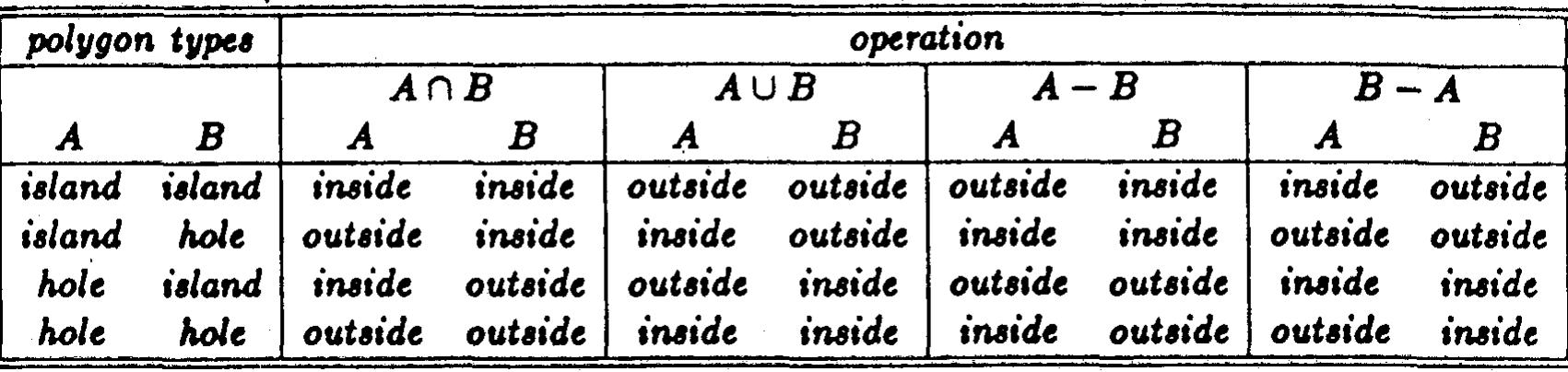
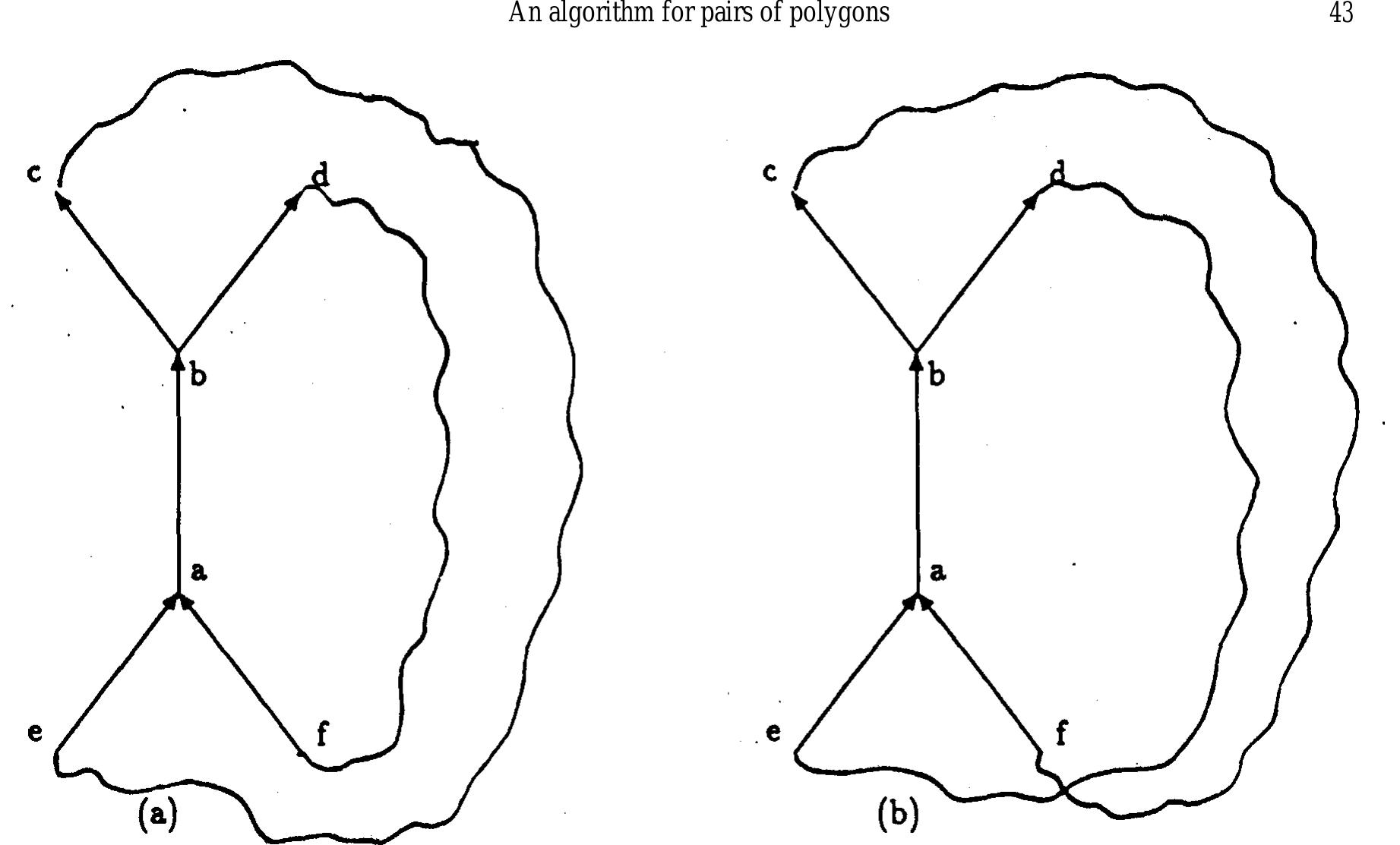
An algorithm for set operations on pairs of polygons is presented. The algorithm uses a boundary representation for the input and output polygons. Its domain includes simple polygons as well as polygons with dangling edges, vertices of... more
Embedding one bit of data per pixel in an image, using steganography methods such as LSB flipping or matching, decreases the security, making them vulnerable to steganalytic attacks. Embedding efficiency, defined as the number of... more
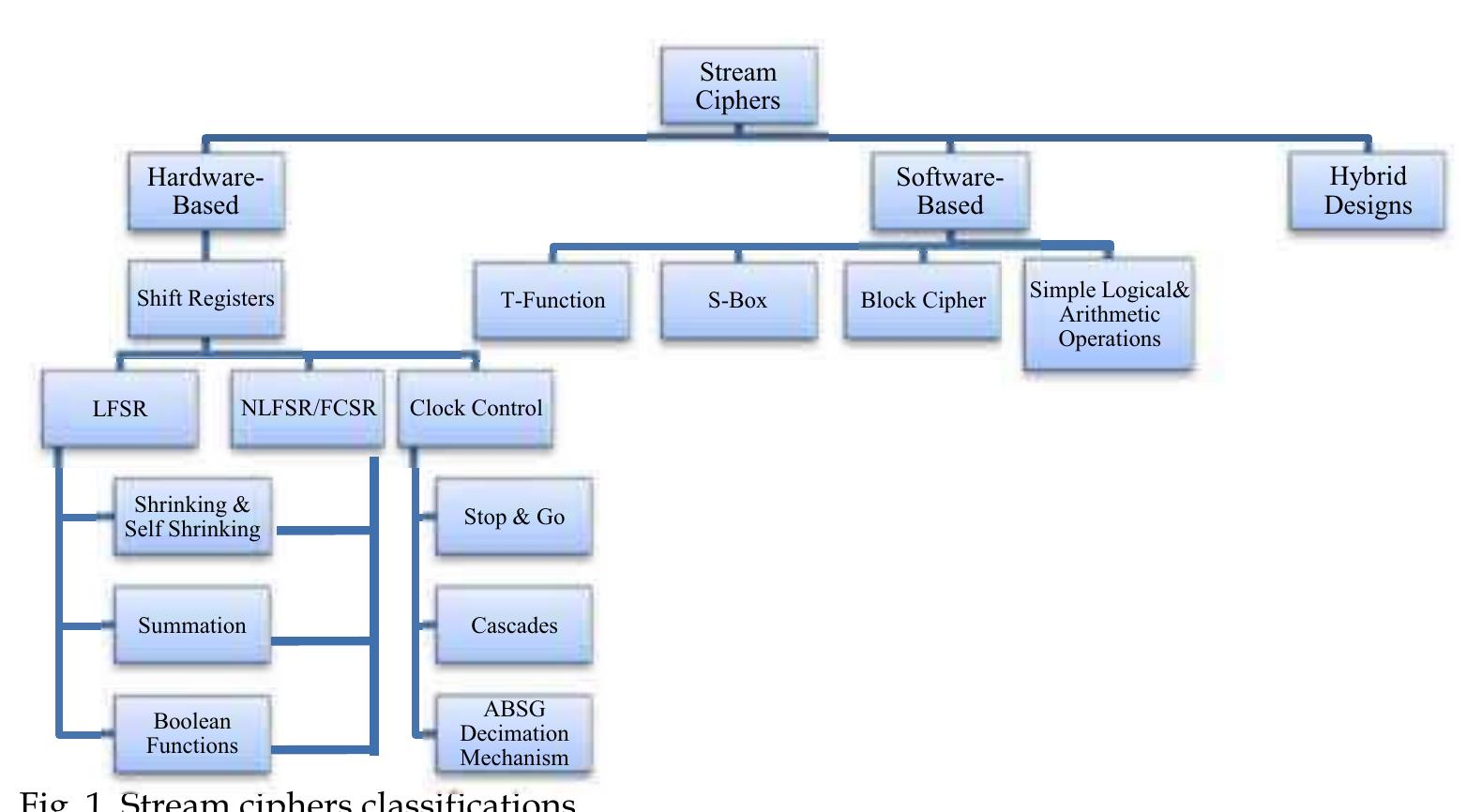
DSP-128 is a new multithreaded stream cipher based on the intractability of the Discrete Logarithm Problem (DLP) with key size of 128-bit. The design of DSP-128 is divided into three stages: Initialization Stage, Keystream Generation... more
The performance of population based search techniques like Differential Evolution (DE) depends largely on the selection of initial population. A good initialization scheme not only helps in giving a better final solution but also helps in... more
In the commonly used DE/rand/1 variant of differential evolution the primary mechanism of generating new solutions is the perturbation of a randomly selected point by a difference vector. The newly selected point may, if good enough, then... more
This paper and its companion (Part II) are devoted to the analysis of the application of a chaotic piecewise-linear onedimensional (PL1D) map as random number generator (RNG). Piecewise linearity of the map enables us to mathematically... more
In this paper, a novel data hiding technique is proposed, as an improvement over the Fibonacci LSB data-hiding technique proposed by Battisti et al. [1] based on decomposition of a number (pixel-value) in sum of natural numbers. This... more
Many embedded security chips require a highquality digital True Random Number Generator (TRNG). Recently, some new TRNGs have been proposed in the literature, innovating by their new architectures. Moreover, some of them don't need to use... more
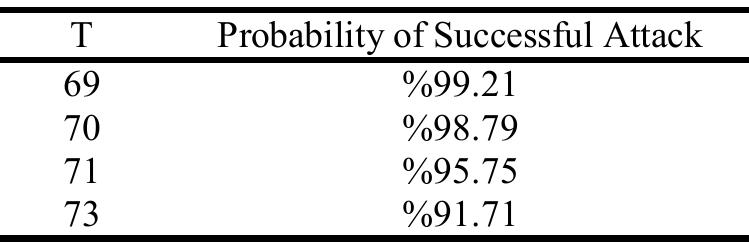
Wang et al. have proposed a scheme to overcome security weaknesses of Das et al.'s scheme. However this scheme too is vulnerable to various security attacks such as password guessing attack, masquerading attack, denial of service attack.
In the present article we propose two novel variants of Differential Evolution (DE) namely Centroid Differential Evolution (CDE) and Differential Evolution with local Search (DELS) for solving unconstrained, single objective, optimization... more
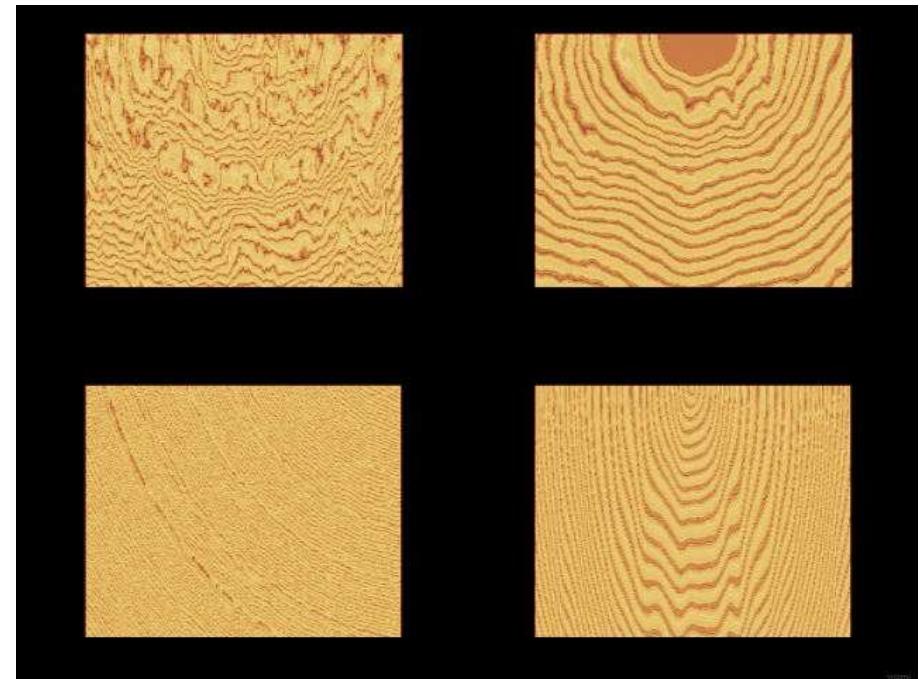
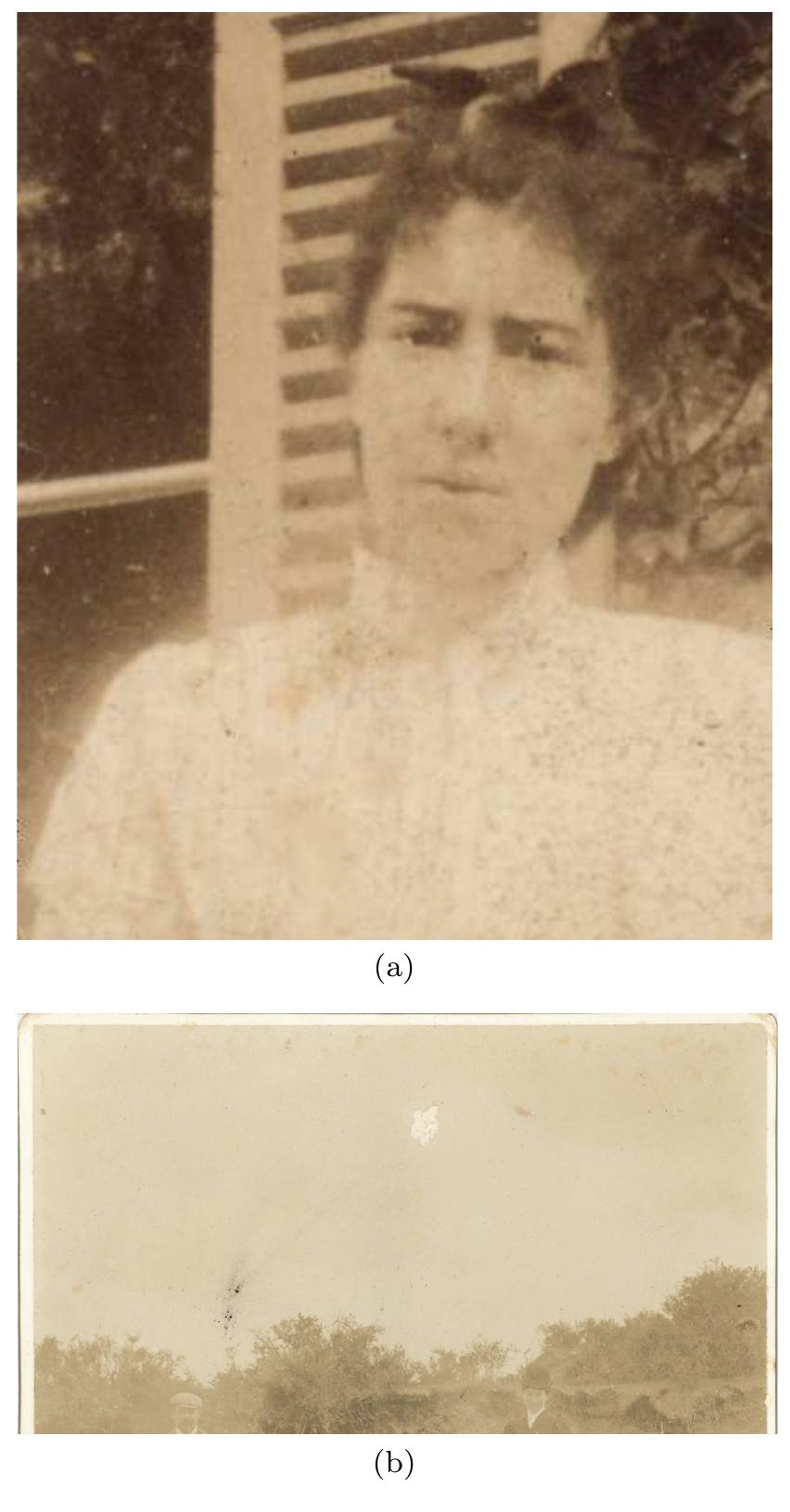
In this paper a new algorithm to digitally restore vintage photographic prints affected by the "foxing" defect is proposed. The algorithm is composed of several automatic and consecutive steps where detection of damaged areas is coupled... more
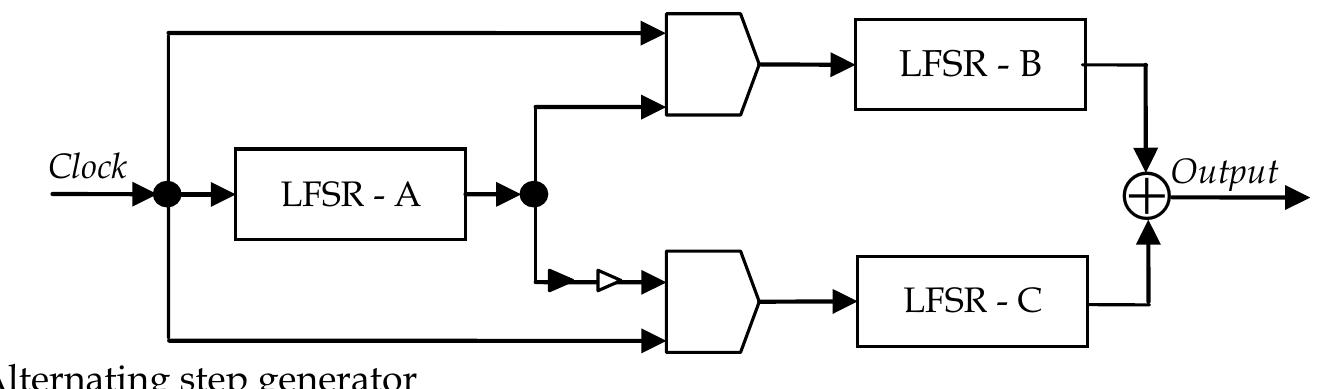
Ciphers based on the irregularly clocked LFSR are one of the main and widely used types of stream ciphers. The simplest scheme use only two LFSRs; the first one is clocked regularly and its output controls the clocking of the second one... more
In [1] some weak points in the design of the Shannon stream cipher and a differential distinguisher with complexity of O(2^14.92) keystream bits (i.e. O(2^9.92) keystream words) were presented. Another distinguishing attack based on a... more
We introduce a stable noise function with controllable properties. The well-known Perlin noise function is generated by interpolation of a pre-defined random number table. This table must be modified if user-defined constraints are to be... more
Noise is used to create realistic animations that look like natural phenomena as well as procedural textures and shapes by adding randomness to graphical applications. In this paper, we suggest a method to edit noise values to satisfy the... more
The security of digital images attracts much attention recently, and many image encryption methods have been proposed. In IS-CAS2000, a new chaotic key-based algorithm (CKBA) for image encryption was proposed. This paper points out CKBA... more
Recent studies have suggested an uneven profile of executive dysfunction in autism spectrum disorders (ASD). For example, some authors have reported deficits on newly developed tests of executive function sensitive to rostral prefrontal... more
Data compression is a murky science that does not get a lot of visibility in our every-day programming lives. While only a few of us will ever apply these techniques in our own code, this whole area is none-the-less a fascinating one to... more
We consider a true random number generator based on regularly sampling a thresholded wide sense stationary Gaussian noise source of which power spectral density is assumed to be flat between two known frequencies and zero everywhere else.... more
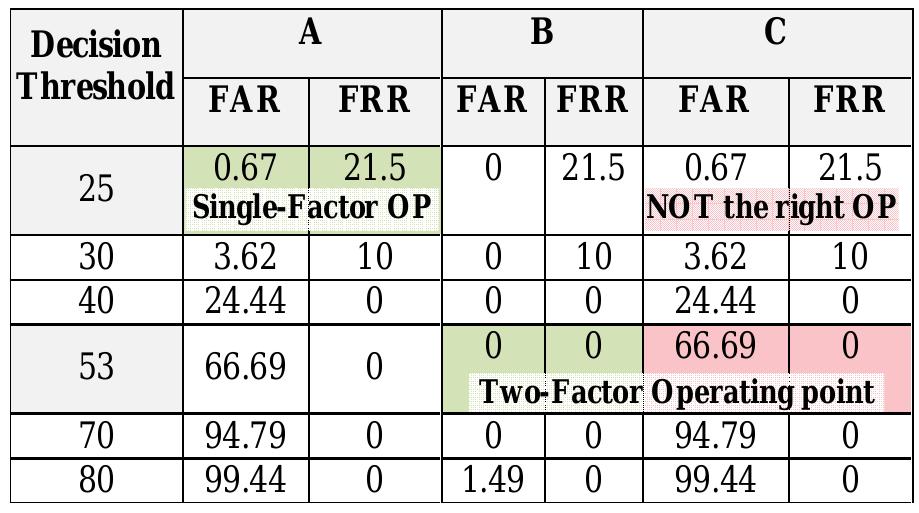
This paper focuses on security and accuracy of multi-factor biometric authentication schemes that are based on applying User-Based Transformations (UBTs) on biometric features. Typically, UBTs employ transformation keys generated from... more
Download research papers for free!