Papers by Beatrice De Faveri
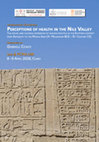
The social and culTural dimension of healing pracTice in The egypTian conTexT from anTiquiTy To T... more The social and culTural dimension of healing pracTice in The egypTian conTexT from anTiquiTy To The middle ages (4 Th millennium Bce -15 Th cenTury ce) 8 -9 april 2026, cairo ifao & pcma uW gaBriele conTe organised By: inTernaTional conference abstracts Aly, Mennah (Ministry of Tourism and Antiquities, Cairo) "Drive This Fear Away … Place This Heart in Its Place": Exploring the Ancient Egyptian Antecedents of the Folk Medicine Tool Ṭāsat al-ḫaḍḍa (the Bowl of Fright) Ṭāsat al-ḫaḍḍa, literally the "Bowl of Fright," also known as talismanic, magic, or incantation bowl, remains a persistent tool of modern Egyptian folk medicine, yet its origins remain insufficiently examined. Attested in Egypt from at least the tenth century and often compared to Aramaic and Mesopotamian counterparts, these bowls are not only displayed in museums in Egypt and worldwide, but are also preserved within Egyptian households inherited through generations as traditional healing objects. Despite the advancement of medicine, Ṭāsat al-ḫaḍḍa, mainly used in popular contexts, are typically metal vessels inscribed with Qur'anic verses, supplications, pseudo-script, talismans, and images of snakes, dogs, and scorpions. According to their inscriptions, as well as accounts by travellers, orientalists, and anthropologists, these bowls cure maladies, animal bites, demonic afflictions, psychological disturbances, and women-related conditions. Comparatively, many ancient Egyptian objects were employed in similar healing contexts, for example magico-medical texts prescribe spells to be written on bowls then washed into liquids to "drive fear away", "restore the heart in its place", as well as heal and/or protect from ailments usually caused by malevolent forces. Although several scholars have suggested the ancient Egyptian antecedency of Ṭāsat al-ḫaḍḍa, no study has systematically demonstrated the resemblance of the magico-medical spells, techniques, and therapeutic concerns involved. This study proposes an Egyptological and anthropologically informed hypothesis that Ṭāsat al-ḫaḍḍa preserve core elements of ancient Egyptian folk medical traditions. Through analysing ancient Egyptian magico-medical spells, therapeutic rituals, and related material culture, and by situating the modern use of these bowls within contemporary folk-healing practices, the paper argues that Ṭāsat al-ḫaḍḍa represent a long-lived continuity of cultural memory within Egyptian popular medicine. This interdisciplinary approach demonstrates the resilience of Egyptian folk therapeutic knowledge and shows how specific healing techniques and treatments for comparable ailments have persisted, been reconfigured, and adapted across millennia.
Coptos (2022)
https://journals.openedition.org/baefe/8229
Bulletin archéologique des Écoles françaises à l’étranger
Ce document a été généré automatiquement le 11 décembre 2020. Le Bulletin archéologique des École... more Ce document a été généré automatiquement le 11 décembre 2020. Le Bulletin archéologique des Écoles françaises à l'étranger est mise à disposition selon les termes de la Licence Creative Commons Attribution -Pas d'Utilisation Commerciale -Pas de Modification 4.0 International.
Esculapio in Italia. Diffusione e forme di un culto
BA Dissertation, Sep 16, 2015
Conference Presentations by Beatrice De Faveri

The social and culTural dimension of healing pracTice in The egypTian conTexT from anTiquiTy To T... more The social and culTural dimension of healing pracTice in The egypTian conTexT from anTiquiTy To The middle ages (4 Th millennium Bce -15 Th cenTury ce) 8 -9 april 2026, cairo ifao & pcma uW gaBriele conTe organised By: inTernaTional conference abstracts Aly, Mennah (Ministry of Tourism and Antiquities, Cairo) "Drive This Fear Away … Place This Heart in Its Place": Exploring the Ancient Egyptian Antecedents of the Folk Medicine Tool Ṭāsat al-ḫaḍḍa (the Bowl of Fright) Ṭāsat al-ḫaḍḍa, literally the "Bowl of Fright," also known as talismanic, magic, or incantation bowl, remains a persistent tool of modern Egyptian folk medicine, yet its origins remain insufficiently examined. Attested in Egypt from at least the tenth century and often compared to Aramaic and Mesopotamian counterparts, these bowls are not only displayed in museums in Egypt and worldwide, but are also preserved within Egyptian households inherited through generations as traditional healing objects. Despite the advancement of medicine, Ṭāsat al-ḫaḍḍa, mainly used in popular contexts, are typically metal vessels inscribed with Qur'anic verses, supplications, pseudo-script, talismans, and images of snakes, dogs, and scorpions. According to their inscriptions, as well as accounts by travellers, orientalists, and anthropologists, these bowls cure maladies, animal bites, demonic afflictions, psychological disturbances, and women-related conditions. Comparatively, many ancient Egyptian objects were employed in similar healing contexts, for example magico-medical texts prescribe spells to be written on bowls then washed into liquids to "drive fear away", "restore the heart in its place", as well as heal and/or protect from ailments usually caused by malevolent forces. Although several scholars have suggested the ancient Egyptian antecedency of Ṭāsat al-ḫaḍḍa, no study has systematically demonstrated the resemblance of the magico-medical spells, techniques, and therapeutic concerns involved. This study proposes an Egyptological and anthropologically informed hypothesis that Ṭāsat al-ḫaḍḍa preserve core elements of ancient Egyptian folk medical traditions. Through analysing ancient Egyptian magico-medical spells, therapeutic rituals, and related material culture, and by situating the modern use of these bowls within contemporary folk-healing practices, the paper argues that Ṭāsat al-ḫaḍḍa represent a long-lived continuity of cultural memory within Egyptian popular medicine. This interdisciplinary approach demonstrates the resilience of Egyptian folk therapeutic knowledge and shows how specific healing techniques and treatments for comparable ailments have persisted, been reconfigured, and adapted across millennia.


Uploads
Papers by Beatrice De Faveri
Conference Presentations by Beatrice De Faveri