580 California St., Suite 400
San Francisco, CA, 94104
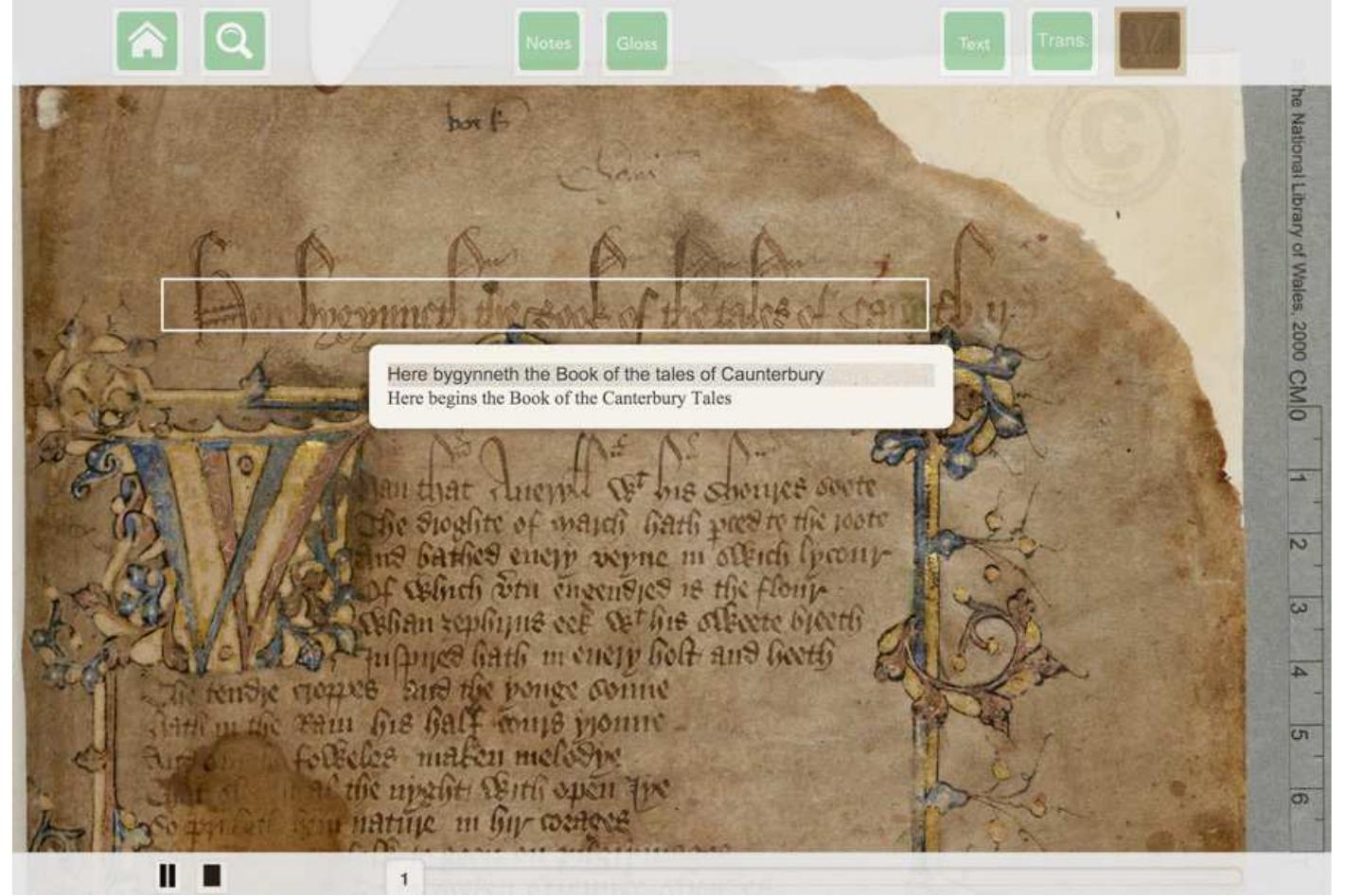
This research area focuses on the creation and improvement of digital tools and workflows to visualize TEI-encoded scholarly editions, particularly those combining diplomatic or critical transcriptions with manuscript images. Given the heterogeneity of digital publishing solutions and the technical challenges of integrating image-text linking, zooming, and search, researchers seek minimalistic yet powerful frameworks that maximize usability and longevity while enabling scholarly analysis.
This theme centers on crafting viable business models and organizational frameworks that reconcile traditional academic publishing norms with the realities of digital dissemination. It involves analyzing market constraints, publisher practices, infrastructure needs, and strategies to ensure access, sustainability, and quality control, especially in contexts such as developing countries and institutional academic libraries.
This research focuses on methodologies and software that enable collaborative transcription, annotation, and critical editing of complex or loosely bounded textual traditions, especially medieval and historical texts with fuzzy transmission histories. It emphasizes combining philological expertise and IT tools to manage variant layers, marginalia, and editorial interventions, supporting collective scholarship and knowledge-building.