Academia.eduAcademia.edu

TLS, Lidar

description58 papers
group44 followers
lightbulbAbout this topic
TLS (Terrestrial Laser Scanning) and Lidar (Light Detection and Ranging) are remote sensing technologies that use laser light to measure distances and create high-resolution 3D models of surfaces and environments. They are widely used in fields such as surveying, forestry, and environmental monitoring for precise spatial data collection.
lightbulbAbout this topic
TLS (Terrestrial Laser Scanning) and Lidar (Light Detection and Ranging) are remote sensing technologies that use laser light to measure distances and create high-resolution 3D models of surfaces and environments. They are widely used in fields such as surveying, forestry, and environmental monitoring for precise spatial data collection.

Key research themes

1. How can terrestrial laser scanning networks and quality assurance improve atmospheric aerosol lidar measurements?

This research area focuses on standardizing, intercomparing, and quality-assuring terrestrial laser scanning (TLS) lidar systems used for atmospheric aerosol profiling to enable reliable, harmonized datasets across networks, particularly in South America and Europe. It addresses instrumentation variability and measurement uncertainty at near and far atmospheric ranges, aiming for consistent vertical aerosol distribution data critical for understanding climate forcing and air quality.

Key finding: The study identified significant heterogeneity in instrumentation across LALINET's nine stations, many of which use custom-built lidar systems leading to varied configurations and data capabilities. It emphasized the need for... Read more
Key finding: Development and application of a suite of inexpensive, self-diagnostic QA check tools—including trigger-delay test, Rayleigh-fit test, lidar test-pulse generator, dark measurement, telecover test, and polarization... Read more
Key finding: Direct intercomparison of 11 collocated lidar systems through multi-hour sessions under similar atmospheric conditions revealed up to three orders of magnitude variability in detection power and dynamic range. By... Read more
Key finding: The authors designed a compact, eye-safe nitrogen-laser-based elastic backscatter lidar suitable for short-range (3–30 m) atmospheric aerosol profiling that can be safely used in educational settings without protective... Read more

2. What methodologies and platforms enable rigorous performance evaluation and modeling of automotive and bathymetric LiDAR sensors?

This theme examines evaluation frameworks, benchmarking platforms, and high-fidelity simulation models developed to validate automotive and bathymetric LiDAR sensors. It addresses challenges in sensor calibration, environmental robustness, 3D imaging accuracy, and signal processing fidelity. The research advances standardized testing protocols and tool-independent sensor models to improve reliability and virtual validation critical for ADAS and autonomous vehicle deployment, as well as accurate river and coastal bathymetry mapping.

Key finding: The paper presents a comprehensive testing platform capable of benchmarking commercially available and prototype automotive LiDAR sensors under controlled conditions replicating diverse environmental disturbances such as... Read more
Key finding: Introduced a tool-independent, ray tracing-based high-fidelity LiDAR sensor model developed as a functional mock-up unit (FMU) compliant with open simulation interface (OSI) and functional mock-up interface (FMI) standards.... Read more
Key finding: The study systematically applied ASTM E3125-17 standard test protocols to assess both a commercial MEMS-based automotive LiDAR sensor and its corresponding simulation model for 3D imaging and point-to-point distance... Read more
Key finding: A comparative performance evaluation of three bathymetric LiDAR sensors—CZMIL Supernova, Riegl VQ880-G, and Riegl VQ840-G—was conducted by cross-validating their bathymetric data against multibeam echosounder (MBES) and... Read more

3. How do lidar-based systems and differential absorption techniques enable detection, identification, and remote sensing of atmospheric and urban contaminants?

This research area investigates the application of lidar and differential absorption lidar (DIAL) systems for remote detection and spectral identification of atmospheric chemical contaminants and pollutants, including aerosols and gases, in urban, environmental, and security contexts. Innovative hardware configurations, combined with absorption spectroscopy databases and signal processing, enable quasi real-time early warning and threat identification capabilities. These advances are critical for public safety, environmental monitoring, and atmospheric remote sensing from terrestrial and spaceborne platforms.

Key finding: Development and experimental validation of combined low-cost lidar and DIAL systems enable detection of pollutant plumes and chemical agent identification in urban environments. The lidar system provided early warnings of... Read more
Key finding: This work evaluated a differential absorption lidar (DIAL) model operating on oxygen's A-band from low Earth orbit at ~400 km altitude, designed for remote sensing of ocean surface pressure. The study quantified random errors... Read more
Key finding: Presented a portable, eye-safe aerosol lidar operating at 1.5 μm wavelength with a 85 mJ pulse energy at 15 Hz repetition rate capable of 3D scanning of atmospheric aerosols and clouds. The system integrates a compact... Read more

4. What are the impacts of sensor cover contamination and environmental factors on lidar performance and how can these effects be detected and mitigated?

This research focuses on assessing how various contaminations on lidar sensor covers (such as dew, dirt, foam, water, and oil) degrade sensor performance including range accuracy, reflectivity, and point cloud quality. It studies the resultant symptom signatures in full waveform and point cloud data from different lidar platforms to inform fault detection, isolation, and recovery (FDIIR) systems essential for reliable operation of automotive and industrial lidars. Understanding these influences enables development of algorithms and countermeasures to improve operational robustness in real-world conditions.

Key finding: Experimental application of various contamination types on lidar sensor covers revealed specific and severe impairments, including unwanted reflections and complete sensor blindness caused by dew, artificial dirt, and foam.... Read more

All papers in TLS, Lidar

In recent years, both airborne and terrestrial laser scanning developed to a standard technique for acquiring information on terrestrial landscapes. Here forest inventory and orchard management is considered. Inventory and... more
Quercus serrata is a valuable deciduous oak native to East Asia. Despite its potential for producing high-quality wood, Quercus serrata remains underutilized in commercial forestry, mainly confined to traditional uses like shiitake... more
A simple extension method of the ICP algorithm using point quality based on the distance and incident angle is presented for improving the registration accuracy of TLS point clouds. First, using a structured point cloud representation,... more
The presented research aims to define a parametric modelling methodology that allows, in short time and at a sustainable cost, the digital acquisition, modelling and semantic structuring of urban city blocks to facilitate 3D city... more
Software-defined networking (SDN) introduces innovative network management and flexibility but also exposes new vulnerabilities. This paper investigates the impact of rogue switches on SDN controllers, detailing various attack... more
Depending on the requirements of a certain engineering task, point coordinates obtained through terrestrial laser scanning (TLS) can be either in a scanner coordinate system (CS) or in the coordinate system of a geodetic control network.... more
The paper explains the methodology and workflow for the emergency drone recording and processing applied in the Colonial Ammunition Company Shot Tower case study in Auckland, Aotearoa New Zealand. It sheds light on the strategic decisions... more
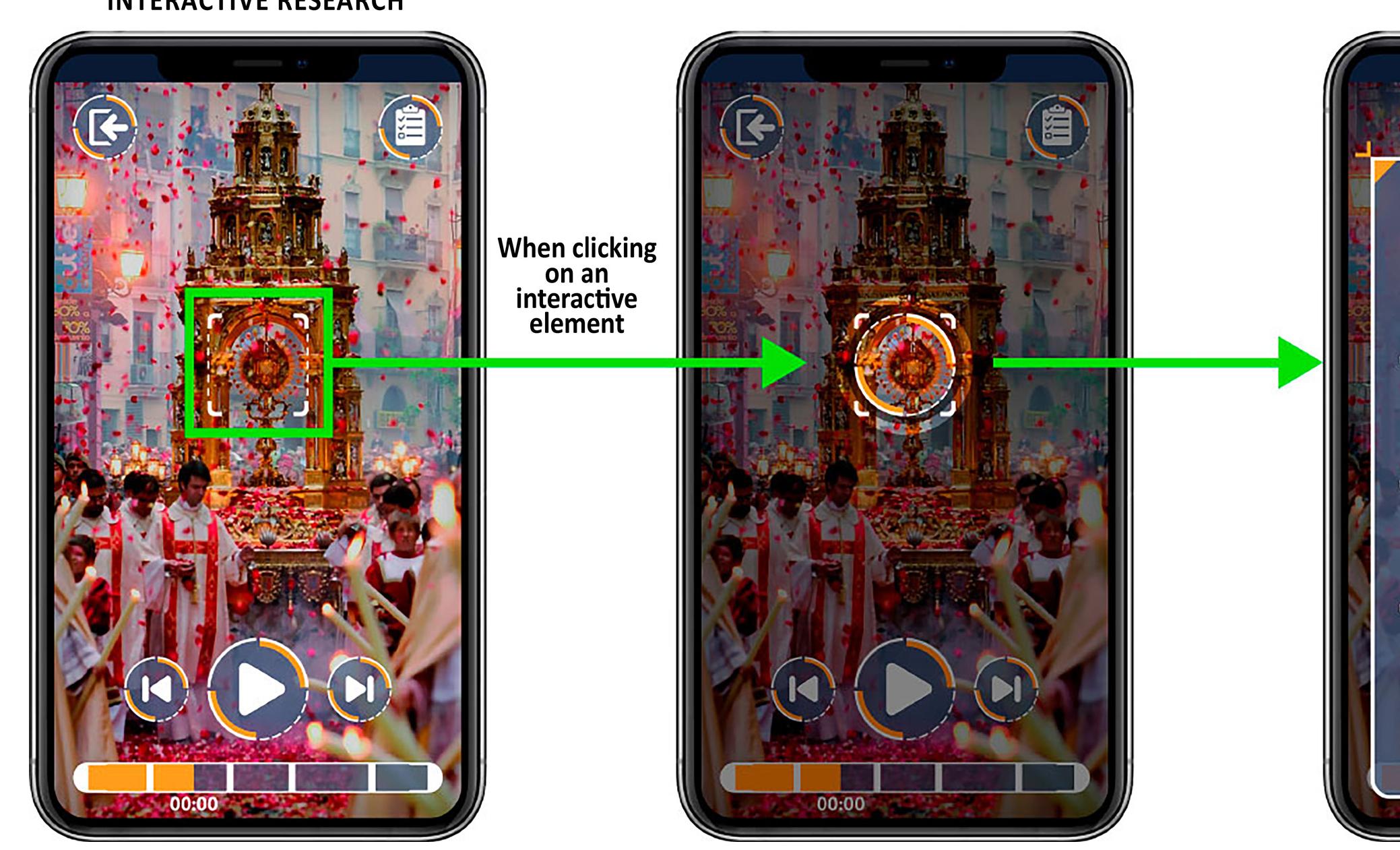
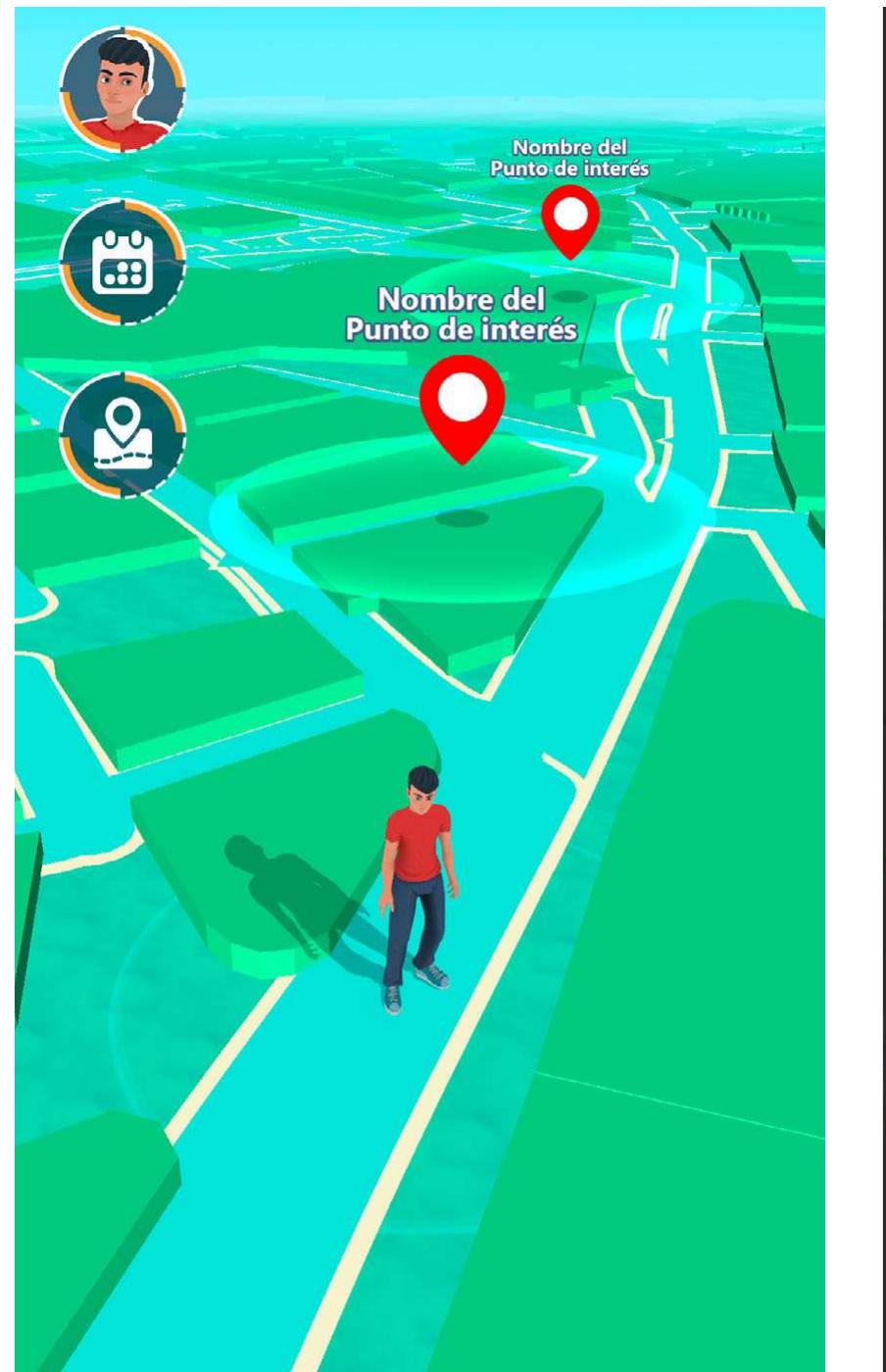
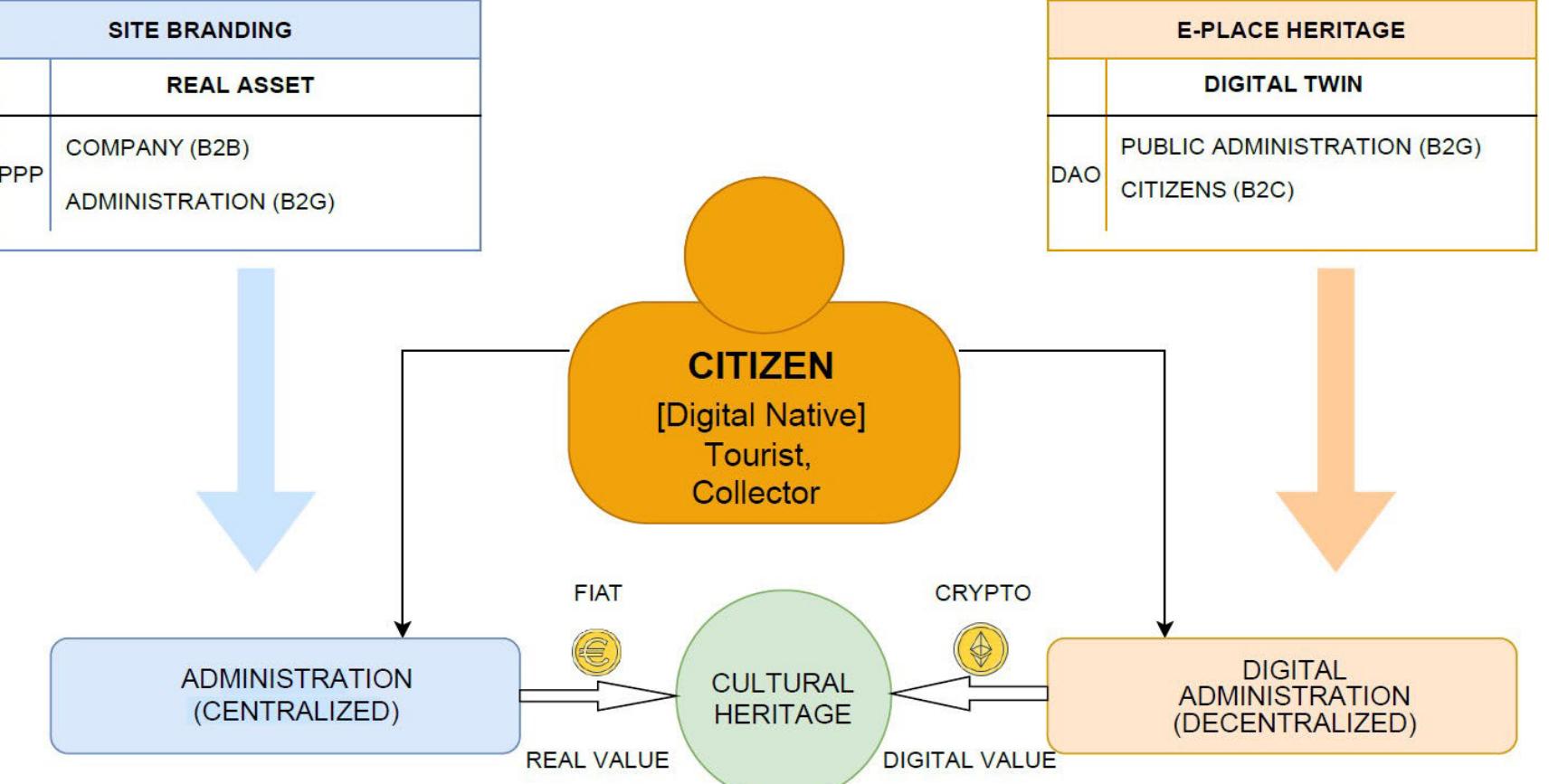
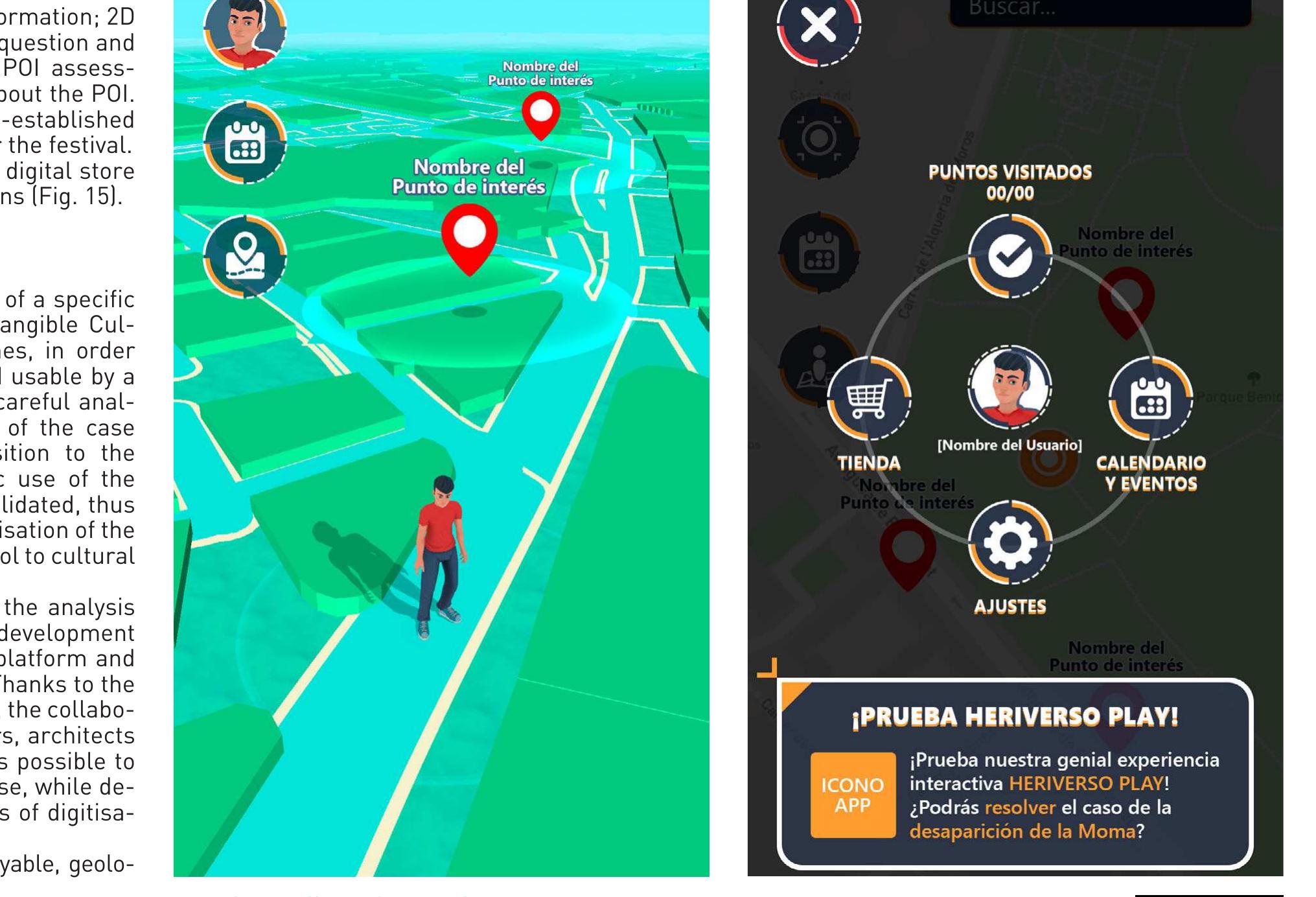
The article illustrates the methodology and the first experimentation of the “HERIVERSO project”, which aims to create a gamification platform for the digitisation and representation of Intangible Cultural Heritage (ICH). The workflow... more
Extraction of plot-level field measurements entails a rigid and time-consuming task. Fine resolution remote sensing technology offers an objective and consistent method for estimation of forest vertical structures. We explored the... more
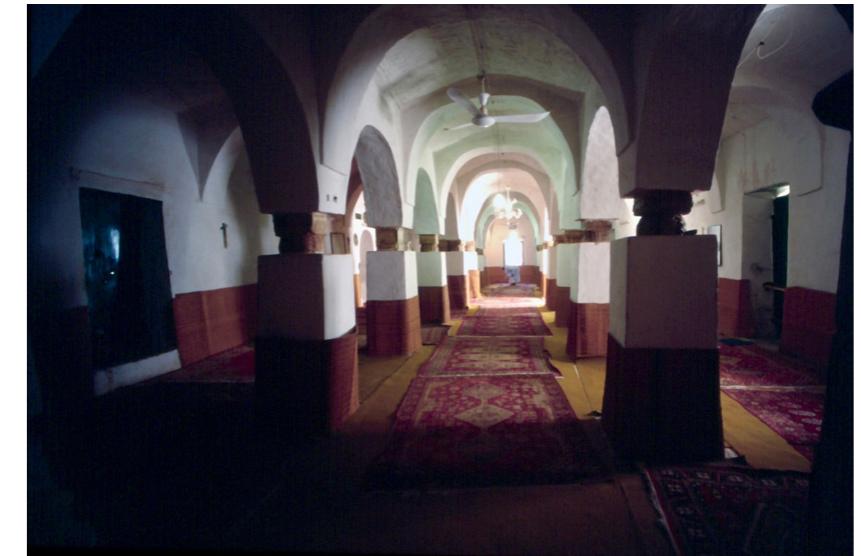
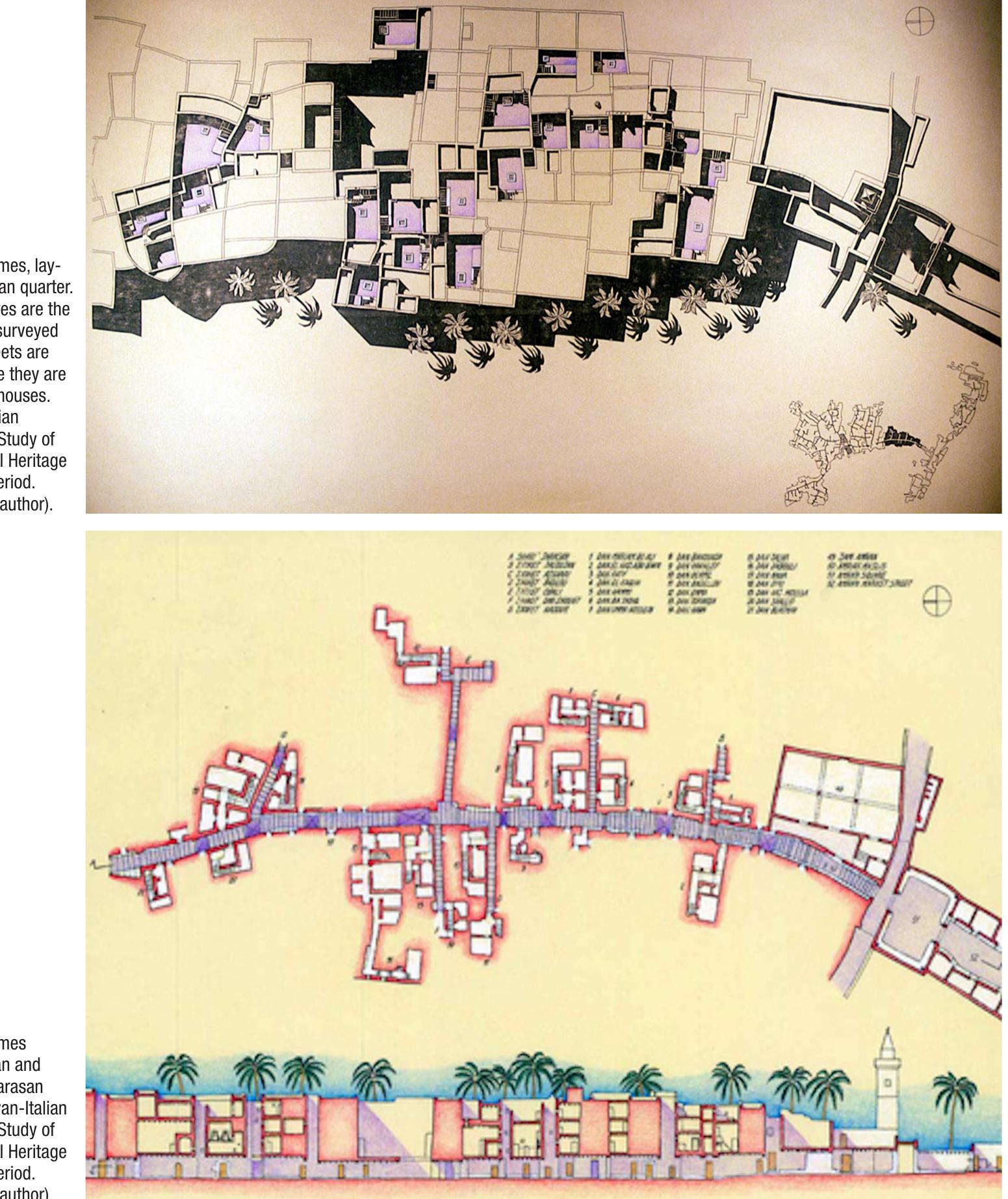
This article illustrates the urban fabric of Ghadames (Libya), the ancient Cydamus in the Roman period. This oasis-town constituted the object of study of the "Italian Architectural Mission for the Islamic Period", founded and directed... more
Reliable and up-to-date road network information is crucial to guarantee efficient logistic distribution, emergency response, urban planning, etc. Road networks in developing urban areas tend to change rapidly. Periodic remapping is... more
When monitoring deformations in natural hazards such as rockfalls and landslides, the use of 3D models has become a standard. Several geomatic techniques allow the generation of these models. However, each one has its pros and cons... more
Artykuł przedstawia możliwości wykorzystania trójwymiarowego systemu wizyjnego w procesie budowy obrazu 3D produktu prowadzonym bezpośrednio na linii technologicznej np. w zakładach wytwarzających elementy pneumatyki lub hydrauliki. W... more
mass function of the brown dwarfs/giant planets, we need to conduct more comprehensive surveys for both types of (isolated and companion) ELL-YSOs. It is also important (26) to fill the gap between the very young brown dwarfs at several... more
Cosmogenic chlorine-36 reveals dates of the multiple prehistoric earthquakes that have produced a scarp on the Hebgen Lake fault. Apparent chlorine-36 ages are stratigraphically correct, follow a predicted theoretical pattern, and produce... more
Casuarina equisetifolia L., commonly known as the Casuarina or Australian Pine, is a fast growing, evergreen tree native to the coastal regions of Southeast Asia, Australia, and the Pacific Islands  and can be useful in carbon... more
LiDAR is one of the fast growing remote sensing techniques. Terrestrial laser Scanner (TLS) provides precise information about forest inventory in the form of 3D point cloud. An approach to extract tree parameters: diameter at breast... more
Casuarina equisetifolia L., commonly known as the Casuarina or Australian Pine, is a fast growing, evergreen tree native to the coastal regions of Southeast Asia, Australia, and the Pacific Islands  and can be useful in carbon... more
Highlights: We compare Plant Area Density (PAD) profiles derived from Terrestrial Laser Scanning (TLS) and contemporaneous Aerial Laser Scanning (ALS) in dense tropical forest. Poor sampling of the lower part of the canopy profile by ALS... more
When monitoring deformations in natural hazards such as rockfalls and landslides, the use of 3D models has become a standard. Several geomatic techniques allow the generation of these models. However, each one has its pros and cons... more
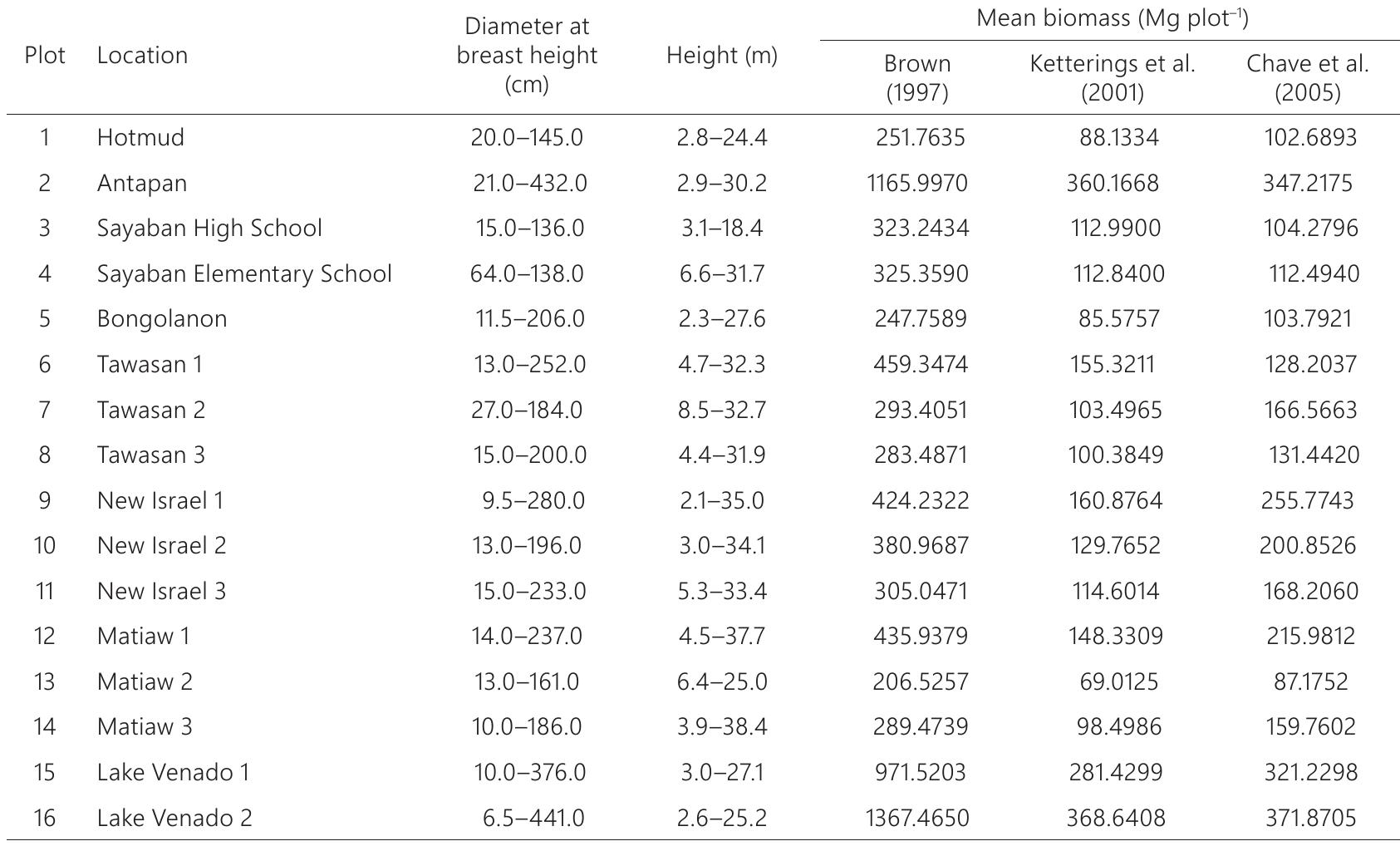
Forests have a vital role in maintaining global climate stability by removing greenhouse gases like carbon dioxide from environment. Estimation of carbon stock is crucial in quantifying the amount of carbon that is present in the forest.... more
Resumen: El 3 de diciembre de 2013 ocurrió en el área de estudio piloto del escarpe de Puigcercós (Lleida, Catalunya) el mayor desprendimiento de todos los que se habían detectado desde el inicio del monitoreo LiDAR que se lleva a cabo... more
Terrestrial laser scanning (TLS) is one of the most promising surveying techniques for rockslope characterization and monitoring. Landslide and rockfall movements can be detected by means of comparison of sequential scans. One of the most... more
A detailed analysis of the pre-failure behavior of the 3 December 2013 rockfall (1,012 m 3) occurred on Puigcercós pilot study area (Catalonia, Spain) is presented. The exact date of failure was obtained based on a photographic monitoring... more
For an overview of USGS information products, including maps, imagery, and publications, visit https://store.usgs.gov. Any use of trade, firm, or product names is for descriptive purposes only and does not imply endorsement by the U.S.... more
On 20 February 2010, an extreme rainfall episode occurred on Madeira Island, which caused an exceptionally strong flash flood and several soil slip-debris flows, producing 45 confirmed deaths and 6 persons declared missing, as well as... more
This manuscript focuses on developing a workflow for determining the productivity of vineyards in a novel and innovative way, ensuring flexibility and simplicity in data acquisition, automation in the process and high-quality results,... more
Reliable and up-to-date road network information is crucial to guarantee efficient logistic distribution, emergency response, urban planning, etc. Road networks in developing urban areas tend to change rapidly. Periodic remapping is... more
Automatic building extraction and delineation from airborne LiDAR point cloud data of urban environments is still a challenging task due to the variety and complexity at which buildings appear. The Medial Axis Transform (MAT) is able to... more
As the amount of spatial data is growing, there is increased interest in developing tools to explore, visualize and interpret them, with the final aim of informing decision making efficiently. Within the European MIAVITA project, we... more
Morphologic investigations along the Campo Felice (CF) fault (central Apennines, Italy) have been made in order to develop a procedure for the paleoseismological analysis of bedrock fault scarps. The CF fault has been responsible for the... more
The use of active remote sensing techniques based on light detection and ranging (LiDAR) was investigated here to estimate the green area index (GAI) of wheat crops. Emphasis was put on the maximum GAI development stage when saturation... more
This paper provides a research approach and develops a methodology that helps natural weathered bedrock fault scarps to be understood in terms of their structural changes and backscatter behaviour when using terrestrial laser scanning... more
Derechos de reproducción bajo licencia Creative Commons 3.0. Se permite su inclusión en repositorios sin ánimo de lucro.
Landslide mapping to analyse earthquake environmental effects in Carmona, Spain-relation to the 1504 event?): The 1504 Carmona earthquake (intensity IX EMS) claimed the loss of human life and caused a number of Earthquake Environmental... more
LiDAR is one of the fast growing remote sensing techniques. Terrestrial laser Scanner (TLS) provides precise information about forest inventory in the form of 3D point cloud. An approach to extract tree parameters: diameter at breast... more
Morphologic investigations along the Campo Felice (CF) fault (central Apennines, Italy) have been made in order to develop a procedure for the paleoseismological analysis of bedrock fault scarps. The CF fault has been responsible for the... more
Download research papers for free!