Papers by Srimanta Bhadra
International Journal of Sanskrit Research, 2026
This paper explores the Drutabodha-Vyākaraṇa, an unpublished 17th-century grammatical treatise by... more This paper explores the Drutabodha-Vyākaraṇa, an unpublished 17th-century grammatical treatise by the versatile Bengali scholar Bharatasena (Bharata Mallika). Written in the Kārikā style to facilitate rapid learning (druta-bodha), the work bridges the Pāṇinīan and Mugdhabodha traditions. While it adopts the structure of Vopadeva's Mugdhabodha, it uniquely retains traditional Pāṇinīan technical terms (saṃjñā) alongside original innovations. By analyzing extant manuscripts, this study highlights the text's pedagogical significance and its role in the Indian Knowledge System, emphasizing the urgent need for its formal publication under NEP 2020 guidelines.
SUṢAMĀ: Multidisciplinary Research Journal, Mar 31, 2026
This study explores the functional importance of Prādis (prefixes like pra, parā, etc.) within Pā... more This study explores the functional importance of Prādis (prefixes like pra, parā, etc.) within Pāṇinian grammar. It examines the six distinct technical designations (saṃjñās) assigned to them: Nipāta, Avyaya, Upasarga, Gati, Karmapravacanīya, and Prātipadika. Each designation serves a specific grammatical purpose, such as facilitating elision (luk), determining accents (svara), or regulating case endings (vibhakti). Additionally, the paper addresses the variations in the number of Upasargas across different grammatical traditions, ranging from 11 to 25, concluding that these variations exist to justify diverse linguistic forms across Vedic and Classical Sanskrit.
SUṢAMĀ: Multidisciplinary Research Journal, Mar 31, 2026
This research paper explores the technical terminology (sañjñā) used in Bharatasena's Drutabodha ... more This research paper explores the technical terminology (sañjñā) used in Bharatasena's Drutabodha Vyākaraṇa, an unpublished grammatical work. It examines how Bharatasena navigates between the classical tradition of Pāṇini's Aṣṭādhyāyī and the simplified approach of Vopadeva's Mugdhabodha. The study reveals that while Bharatasena adopts Pāṇinian terms for clarity (e.g., vṛddhi, guṇa) and Mugdhabodha's concise labels for specific technicalities (e.g., dā, ji), he also integrates traditional non-Pāṇinian terms and introduces original labels like kādi and gādi. Ultimately, the Drutabodha emerges as a unique synthesis reflecting a profound dual influence of the Pāṇinian and Vopadeva schools.

Chinmaya International Foundation Shodha Sansthan, Kerala, 2022
This paper presents a critical edition of the unpublished Sanskrit treatise Prātipadika-saṃjñāvād... more This paper presents a critical edition of the unpublished Sanskrit treatise Prātipadika-saṃjñāvāda authored by Narayana Godbole, preserved in manuscript form at the Penn Library. The text explores the definition and scope of prātipadika (nominal base) in Pāṇini’s Aṣṭādhyāyī, particularly the sūtra “arthavadadhāturapratyayaḥ prātipadikam” (1.2.45). The author engages with earlier grammatical traditions, citing authorities such as Patañjali, Bhartṛhari, Kaiyaṭa, and later commentators, while critically examining the views of Dīksita, Raghunatha Śiromaṇi, and others. The treatise emphasizes the role of arthavattva (semantic meaningfulness) in determining prātipadika status, and systematically refutes alternative interpretations that would extend the designation to non-meaningful or anomalous forms. The edition highlights the manuscript’s distinctive features, editorial challenges, and textual corrections, while situating the work within the broader intellectual milieu of seventeenth–eighteenth century Sanskrit grammatical scholarship. This study not only recovers a neglected text but also contributes to understanding the historical development of Pāṇinian exegesis and the nuanced debates surrounding prātipadika definition.
Central Sanskrit University, Vedavyas Campus, 2021
The present paper examines the commentary of Kamalākara Bhaṭṭa on the grammatical aphorism “svaṁ ... more The present paper examines the commentary of Kamalākara Bhaṭṭa on the grammatical aphorism “svaṁ rūpaṁ śabdasya aśabda-saṁjñā” (Aṣṭādhyāyī 1.1.68). This sūtra has long been debated among scholars regarding its status as either a paribhāṣā (interpretive rule) or a saṁjñā-sūtra (definitional rule). Earlier authorities such as Haradatta and the Nyāsakāra offered divergent interpretations, emphasizing respectively its paribhāṣā character and its role as a saṁjñā. Kamalākara Bhaṭṭa, however, adopts a distinctive approach by reconciling both positions and presenting a nuanced explanation. He interprets the term rūpa alternately as denoting individual instances (vyakti) and as general class-characteristics (jāti), thereby establishing a dual perspective on the relation between word and meaning. Through this synthesis, Bhaṭṭa highlights the subtle interplay between linguistic form, semantic designation, and grammatical function. The paper critically evaluates his methodology, situating it within the broader tradition of Mahābhāṣya exegesis and demonstrating its innovative contribution to Sanskrit grammatical thought.
Kiraṇāvalī (UGC-CARE listed), ISSN: 0975-4067, 2020
शास्त्रान्तराभिमतजातिलक्षणस्वीकारेणाव्याप्त्यतिव्याप्तिरूपदोषदर्शनाद्विलक्षणं जातिलक्षणं प्रतिपाद... more शास्त्रान्तराभिमतजातिलक्षणस्वीकारेणाव्याप्त्यतिव्याप्तिरूपदोषदर्शनाद्विलक्षणं जातिलक्षणं प्रतिपादयन्ति शाब्दिकाः। यथा- ‘सवर्णेभ्यः सवर्णासु जायन्ते हि सजातयः’ (याज्ञवल्क्यस्मृतिः- १.९०) इति धर्मशास्त्रकृतां मतानुसारं जननेन प्राप्यते या सा जातिरिति समायातीति कृत्वा जननेन लभ्यत्वात् ब्राह्मणत्वादेर्जातित्वे सिद्धेऽपि युवत्वादीनामसिद्धिरित्यतोऽव्याप्तिर्भवति। अतस्तादृशदोषवारणायाभीष्टसिद्धये च पतञ्जलिना स्वविरचितमहाभाष्ये शाब्दिकसम्मतं जातिस्वरूपं निरूपितम्–
आकृतिग्रहणा जातिर्लिङ्गानाञ्च न सर्वभाक्।
सकृदाख्यातनिर्ग्राह्या गोत्रञ्च चरणैः सह॥ इति।
कारिकायामस्याम् ‘आकृतिग्रहणा जातिः’ इत्याद्यं, ‘लिङ्गानाञ्च न सर्वभाक् सकृदाख्यातनिर्ग्राह्या’ इति द्वितीयं, ‘गोत्रञ्च चरणैः सह’ इति तृतीयमित्येवं लक्षणत्रयं विद्यत इति दीक्षितो मनुते। तेषां विस्तरेण वर्णनमस्मिन् निबन्धे विधाय ‘गोत्रञ्च चरणैः सह’ इति लक्षणघटकगोत्रपदस्यार्थो निरूप्यते। गोत्रपदेन ‘अपत्यं पौत्रप्रभृति गोत्रम्’ इति लक्षणलक्षितगोत्रस्यैव ग्रहणमिति वदति नागेशः, लौकिकमपत्यमात्रमेव गृह्यते न तु पारिभाषिकमिति च दीक्षितमतिरित्येवं विवदमानयोर्दीक्षितनागेशयोर्मतानि विविच्य किं युक्ततरमिति सप्रमाणमस्मिन्निबन्धे निरूपयिष्यते।

Saṃskṛta Vimarśaḥ (An UGC Care Listed Refereed & Peer-Reviewed International Research Journal), ISSN: 0975-1769, 2023
Kamalākara Bhaṭṭa, in his work Vibhaktyarthaprakāśa, offers a detailed exposition of the Pāṇinian... more Kamalākara Bhaṭṭa, in his work Vibhaktyarthaprakāśa, offers a detailed exposition of the Pāṇinian aphorism II.3.46, which prescribes the use of the first case-affix when the semantic context involves the nominal stem (prātipadika), or along with gender, or measure alone, or number alone. Kamalākara provides an in-depth analysis of the notions of prātipadika and measure, contributing significantly to our understanding of affixal semantics in classical Sanskrit grammar. Notably, his interpretation diverges from those of another commentators such as Kaiyaṭa, Dīkṣita, and Nāgeśa, each of whom offers distinct perspective of the aphorism. This paper presents a comparative study of these interpretations, highlighting Kamalākara’s unique grammatical insights and situating his contribution within the broader exegetical tradition.
Vāgarthaḥ (A Double-blind Peer Reviewed International Journal of Sanskrit Research), ISSN: 2456-9186, 2018
प्रातिपदिकार्थलिङ्गपरिमाणवचनमात्रे प्रथमा (अष्टा.- २.३.४६) इति सूत्रे परिमाणमात्रे प्रथमाया उदाहर... more प्रातिपदिकार्थलिङ्गपरिमाणवचनमात्रे प्रथमा (अष्टा.- २.३.४६) इति सूत्रे परिमाणमात्रे प्रथमाया उदाहरणं सिद्धान्तकौमुद्यां द्रोणो व्रीहिरिति प्रदत्तम्। तदेवोदाहरणं कैयटेनापि प्रदीपे समर्थितम्। परन्तु उभयोः समन्वयप्रकारो भिन्नः। नागेशस्तु परिमाणग्रहणस्य उदाहरणं द्रोणः इत्येव ब्रूते। एवमत्र विवदन्ते विद्वांसः। निबन्धेऽस्मिन् तेषां मतं विस्तरेण प्रतिपाद्य तेषु कतमः पक्षः समाश्रयणीय इति युक्त्या प्रतिपाद्यते।

Prajñānam, ISSN: 2278-4578, 2015
Bhaṭṭoji Dīkṣita, a distinguished Sanskrit grammarian, authored the Vaiyākaraṇa-siddhānta-kaumudī... more Bhaṭṭoji Dīkṣita, a distinguished Sanskrit grammarian, authored the Vaiyākaraṇa-siddhānta-kaumudī, a seminal work that presents concise explanatory notes (vṛtti) on Pāṇinian aphorisms from the Aṣṭādhyāyī. Departing from the original sequential arrangement of the Aṣṭādhyāyī, Dīkṣita restructured the aphorisms based on the procedural logic of derivation (prakriyā). He divided the text into two major sections: Pūrvārdha, which deals with rules related to declension, and Uttarārdha, which focuses on conjugation. Each section comprises multiple chapters organized in a coherent and pedagogically motivated order. This paper investigates the rationale behind Dīkṣita’s reordering of the aphorisms, evaluates its pedagogical and interpretive advantages and limitations, and analyzes the underlying logic of chapter arrangement particularly in the Pūrvārdha section.
Books by Srimanta Bhadra
DK Printworld, 2025
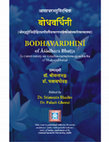
Āśādhara Bhaṭṭa, son of Rāmaji Bhaṭṭa, a scholar well-versed in Padaśāstra, Vākyaśāstra Pramāṇaśā... more Āśādhara Bhaṭṭa, son of Rāmaji Bhaṭṭa, a scholar well-versed in Padaśāstra, Vākyaśāstra Pramāṇaśāstra, was a distinguished disciple of the eminent grammarian Yadurāma Bhaṭṭa and the literary master Dharanīdhara. He was the guru of Bhagavadbhaṭṭa, author of the treatises Nūtanatarī and Vicāradīpa. In the eighteenth century, under the patronage of Lallubhāī, Āśādhara Bhaṭṭa, hailing from Gujarat, authored several texts including Kovidānanda and others.
Among his contributions, the Bodhavardhinī, a commentary on Bhaṭṭoji Dīkṣita’s Vaiyākaraṇamatonmajjanakārikā, is primarily designed to aid beginners, while also offering valuable insights for advanced scholars in philosophy of Sanskrit grammar. With this, four commentaries on the Matonmajjanakārikā are now known: Vanamāli Miśra’s Vaiyākaraṇamatonmajjanaṭīkā, Kauṇḍabhaṭṭa’s Vaiyākaraṇa-bhūṣaṇa and Vaiyākaraṇa-bhūṣaṇa-sāra, and Āśādhara Bhaṭṭa’s Bodhavardhinī. While the first three are published, they present limitations: Vanamāli’s commentary is overly concise, Kauṇḍabhaṭṭa’s Bhūṣaṇa is extensive, and the Bhūṣaṇa-sāra is abstruse. In contrast, Bodhavardhinī, written in lucid language, offers clear syntactic interpretation (anvayārtha) and reveals deeper meanings at the end of each chapter.
This study presents a critical edition of the unpublished text Bodhavardhinī, based on available two manuscripts and supported by comparative analysis with the published commentaries. The edition aims to enrich the Indian Knowledge System especially the grammatical tradition and serve as a valuable resource for scholars of Vyākaraṇa philosophy and linguistics.
DK Printworld, 2025
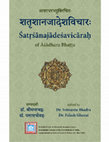
Āśādhara Bhaṭṭa, a distinguished scholar of eighteenth-century Gujarat, was the grandson of the r... more Āśādhara Bhaṭṭa, a distinguished scholar of eighteenth-century Gujarat, was the grandson of the renowned scholar Puruṣottama Bhaṭṭa and the son of Rāmaji Bhaṭṭa, a master of pada-vākya-pramāṇa. He was trained in Sanskrit grammar under the tutelage of the grammarian Yadurāma Bhaṭṭa and received guidance in literary theory from Dharaṇīdhara, a connoisseur of Sanskrit poetics. Bhaṭṭa authored a significant small treatise titled Śatṛśānajādeśavicāra.
This work focuses on the apparent contradiction arising from Pāṇini’s sūtra III.2.124 regarding the affixation of Śatṛ and Śānac in the context of prathamāsamānādhikaraṇe. Although according to the aphorism, The affixes Śatṛ and Śānac are substitutes of laṭ (Present Tense) when agreeing with what does not end with the first case-affix, but It is seen repeatedly in classical Sanskrit literature that the affixation also happens when agreeing with what ends with the first case-affix. To resolve this inconsistency, Āśādhara explores various interpretative positions including paryudāsa, yogavibhāga and prasajyapratiṣedha and presents them with well-reasoned arguments.
This work, aimed at solving practical linguistic challenges, survives in a single paper manuscript comprising eight folios written in Devanagari script. This rare manuscript is preserved at the Chunilal Gandhi Vidyabhavan in Surat, Gujarat. The present edition of the text has been edited based on this codex unicus, ensuring the preservation and dissemination of this valuable grammatical insight. 


Uploads
Papers by Srimanta Bhadra
आकृतिग्रहणा जातिर्लिङ्गानाञ्च न सर्वभाक्।
सकृदाख्यातनिर्ग्राह्या गोत्रञ्च चरणैः सह॥ इति।
कारिकायामस्याम् ‘आकृतिग्रहणा जातिः’ इत्याद्यं, ‘लिङ्गानाञ्च न सर्वभाक् सकृदाख्यातनिर्ग्राह्या’ इति द्वितीयं, ‘गोत्रञ्च चरणैः सह’ इति तृतीयमित्येवं लक्षणत्रयं विद्यत इति दीक्षितो मनुते। तेषां विस्तरेण वर्णनमस्मिन् निबन्धे विधाय ‘गोत्रञ्च चरणैः सह’ इति लक्षणघटकगोत्रपदस्यार्थो निरूप्यते। गोत्रपदेन ‘अपत्यं पौत्रप्रभृति गोत्रम्’ इति लक्षणलक्षितगोत्रस्यैव ग्रहणमिति वदति नागेशः, लौकिकमपत्यमात्रमेव गृह्यते न तु पारिभाषिकमिति च दीक्षितमतिरित्येवं विवदमानयोर्दीक्षितनागेशयोर्मतानि विविच्य किं युक्ततरमिति सप्रमाणमस्मिन्निबन्धे निरूपयिष्यते।
Books by Srimanta Bhadra
Among his contributions, the Bodhavardhinī, a commentary on Bhaṭṭoji Dīkṣita’s Vaiyākaraṇamatonmajjanakārikā, is primarily designed to aid beginners, while also offering valuable insights for advanced scholars in philosophy of Sanskrit grammar. With this, four commentaries on the Matonmajjanakārikā are now known: Vanamāli Miśra’s Vaiyākaraṇamatonmajjanaṭīkā, Kauṇḍabhaṭṭa’s Vaiyākaraṇa-bhūṣaṇa and Vaiyākaraṇa-bhūṣaṇa-sāra, and Āśādhara Bhaṭṭa’s Bodhavardhinī. While the first three are published, they present limitations: Vanamāli’s commentary is overly concise, Kauṇḍabhaṭṭa’s Bhūṣaṇa is extensive, and the Bhūṣaṇa-sāra is abstruse. In contrast, Bodhavardhinī, written in lucid language, offers clear syntactic interpretation (anvayārtha) and reveals deeper meanings at the end of each chapter.
This study presents a critical edition of the unpublished text Bodhavardhinī, based on available two manuscripts and supported by comparative analysis with the published commentaries. The edition aims to enrich the Indian Knowledge System especially the grammatical tradition and serve as a valuable resource for scholars of Vyākaraṇa philosophy and linguistics.
This work focuses on the apparent contradiction arising from Pāṇini’s sūtra III.2.124 regarding the affixation of Śatṛ and Śānac in the context of prathamāsamānādhikaraṇe. Although according to the aphorism, The affixes Śatṛ and Śānac are substitutes of laṭ (Present Tense) when agreeing with what does not end with the first case-affix, but It is seen repeatedly in classical Sanskrit literature that the affixation also happens when agreeing with what ends with the first case-affix. To resolve this inconsistency, Āśādhara explores various interpretative positions including paryudāsa, yogavibhāga and prasajyapratiṣedha and presents them with well-reasoned arguments.
This work, aimed at solving practical linguistic challenges, survives in a single paper manuscript comprising eight folios written in Devanagari script. This rare manuscript is preserved at the Chunilal Gandhi Vidyabhavan in Surat, Gujarat. The present edition of the text has been edited based on this codex unicus, ensuring the preservation and dissemination of this valuable grammatical insight.