580 California St., Suite 400
San Francisco, CA, 94104
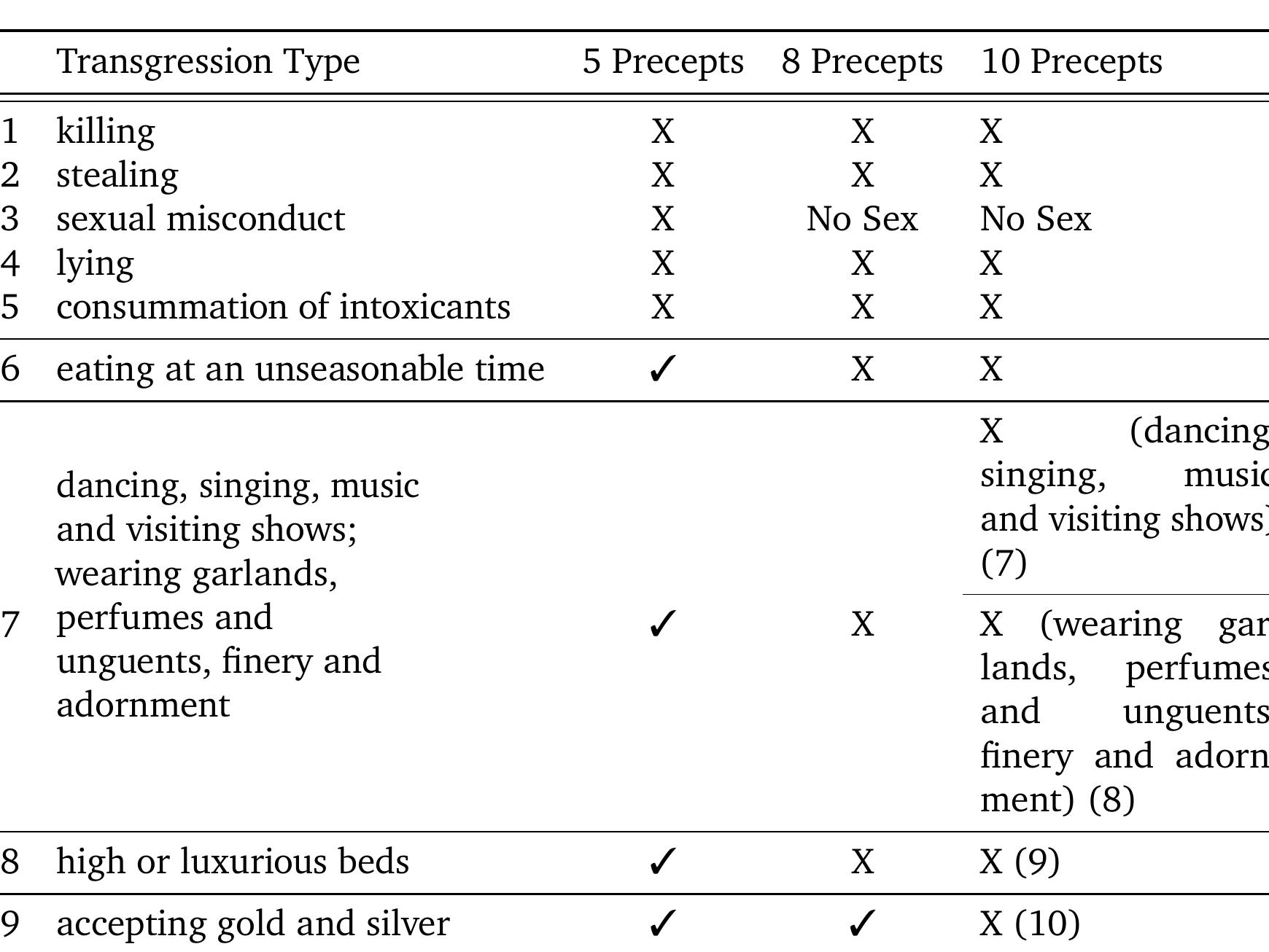
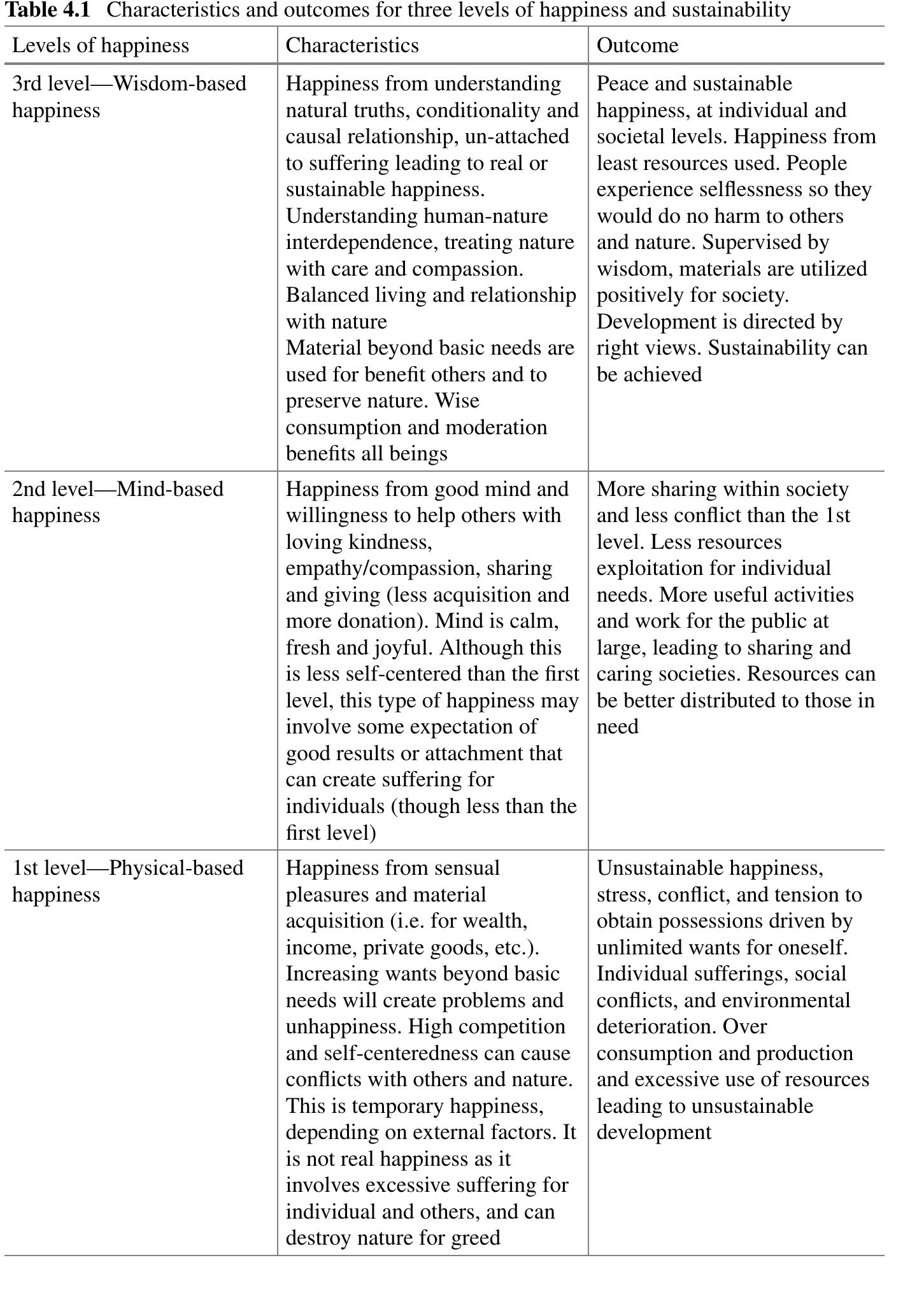
This research theme explores the integration of foundational Buddhist teachings—such as karma, dependent origination, and the Noble Eightfold Path—into economic paradigms that contrast with typical Western models focused on growth and material accumulation. It investigates how Buddhist concepts of interdependence, moderation, and the reduction of suffering can inform sustainable economic development, emphasizing qualitative measures of well-being beyond GDP. This approach matters because it presents an alternative framework addressing ecological degradation, social inequality, and psychological distress inherent to modern capitalist economies.
This theme examines the application of Buddhist spirituality—mindfulness, compassion, ethical conduct, and interconnectedness—in economic management and organizational contexts. It addresses how embedding Buddhist values into business models challenges profit-oriented rationality by prioritizing human flourishing, equitable stakeholder care, and environmental responsibility. This area contributes to diversifying leadership paradigms, fostering organizational identity aligned with spiritual development, and offering ethical frameworks for social justice and long-term harmony in institutional settings.
This theme investigates the methodological and conceptual advances in formalizing Buddhist economic principles through quantitative modeling and philosophical integration of non-duality and interdependence. It focuses on reconciling traditional Buddhist doctrines—such as right livelihood and karma—with scientific methods, novel price theories, and apophatic spirituality to ground Buddhist economics in measurable, rigorous frameworks while maintaining spiritual authenticity. This approach is critical for academic acceptance, policy applicability, and framing transformative economic systems.